Is this everyday kitchen staple harming you more than you think?
Hello to All!
Because Parkinson’s disease is a reality for my family—on both sides unfortunately—I’m always on the lookout for new information. I stumbled upon more compelling evidence about a common kitchen staple: one we relied on for survival historically, but now continue to consume, believing it supports our health. The truth may be far more unsettling: research now links this everyday food to damage the very neurons that keep our brains healthy. Also this staple increases the risks of reproductive cancers, weight gain, hormonal issues, and more. The mainstream media rarely highlights findings like these, so sometimes it takes digging to uncover the facts. The blog post below breaks it all down, along with recommended books to explore. While not everyone may take this to heart, my hope is simply to share what I’ve learned—with absolutely no judgment if you choose a different path than mine. I’ll copy/paste their concise summary here from the blog link in case you prefer a somewhat quicker read than their blog. I’ve experienced the loss of two family members to Parkinson’s; it’s horrible to watch them progress through the disease, and it’s devastating to the person and those who love them. I’m not saying this one thing was the only contributor, but it seems like a big one… I hope no one finds out, which is why I feel compelled to share the below. Take it if you will… Parkinson’s and these other ailments it can contribute to are not funny.
“Dairy products are the only food group consistently associated with a high risk of developing Parkinson’s disease. Multiple large studies have found that people who drink the most milk may face a higher Parkinson’s disease risk—about a 50% higher risk overall compared to those who drink the least.”
“Brain autopsy research shows that people who consumed two cups of milk a day during midlife had up to 40% fewer neurons in the substantia nigra, a brain region where nerve cell deaths are linked to Parkinson’s disease.”
“Among people who drank the most milk, residues of the pesticide heptachlor epoxide were detected in 9 out of 10 brains, suggesting a potential toxic link between contaminated dairy and critical neuron loss.”
“The milk sugar galactose, which reaches the brain within hours of consumption, can induce oxidative stress and neuron damage at doses achievable through just two glasses of milk per day, possibly contributing to brain aging and cognitive decline.”
“Can’t you just drink lactose-free milk, like Lactaid? That has the lactase enzyme added to make lactose-free milk. But it just breaks down lactose into galactose in the carton rather than in your gut, so you’re still ingesting the same amount of galactose. Perhaps it’s no wonder that more milk intake at midlife may be linked to a greater rate of cognitive decline.”
My Notes: I’ve sounded the alarm about this for years: milk is dairy, plain and simple. And dairy—anything made from milk—isn’t just problematic; it’s often more concentrated. Cheese lovers, brace yourselves: cheese isn’t just a “processed food”—it’s also essentially a solid block of saturated fat that contributes to clogged arteries to the heart and brain. But the danger doesn’t stop there. It turns out the milk sugar, galactose, and the lingering pesticides found in dairy don’t just impact Parkinson’s risk—they’re also linked to Alzheimer’s and multiple sclerosis. The evidence is mounting, and it’s time we see dairy for what it truly is: a potential catalyst for devastating neurological diseases. Yes, this includes raw milk. It still contains that sugar…
And if you want to get “lean,” milk does not do a body good. Know why? Dairy has been linked to encouraging weight gain; considering cow’s milk was intended to grow a 60 lb. calf to a 700-pound cow as rapidly as possible. If you are trying to create a lean, healthy body, it may NOT “do a body good.” Recent studies have also associated dairy with an increased risk of hip fractures and bone loss. However, there are healthy and delicious alternatives to dairy-related milk, ice-cream, cheese, and chocolate to enjoy and still get our calcium! We need calcium, not dairy. More on Calcium later! Lastly, some dairy products carry high amounts of Phthalate-endocrine hormone disruptors (plastic chemical pollutants from the tubing/machine used on cows). These endocrine disruptors have been associated with increased abdominal fat, endometriosis in women, and reproductive health issues in men and women. For more information on this including many things discussed above & below read – The China Study by Dr. T Colin Campbell, Keep it Simple, Keep it Whole by Dr. Pulde & Dr. Lederman, Breaking the food Seduction by Dr. Barnard, and lastly The newly released updated and revised How Not to Die: Discover the Foods Scientifically Proven to Prevent and Reverse Disease by Dr. M Greger
Let me also reiterate more… Cow’s milk, even when organic has been linked to an increased risk of prostate cancer, breast cancer, and bladder cancer. Dairy has been shown to turn on some cancer cells in our body. Dairy can also cause an increase in arthritis symptoms, asthma, COPD symptoms, and skin issues—especially acne & eczema! It has also prompted early puberty in young girls! Dairy is typically where we get too much estrogen – as dairy provides us with an average of 60-80% of estrogen (not the estrogen you want) and may affect our hormones negatively for both men and women. The Environmental Protection Agency announced that 93% of our dioxin exposure comes from consuming animal products in particular – dairy and fish. Dioxin is the most carcinogenic environmental toxin! When we digest dairy, casomorphins (opioid peptides) are produced which activate the same receptors in our brain as morphine. This may be a reason that processed dairy foods such as cheese or milk-chocolate may be addicting.
I know dairy is such a common part of so many people’s lives—sometimes it feels like it’s in everything we eat, from the first cup of coffee in the morning with a splash of cream, to buttered toast, or milk mixed into your eggs for breakfast. At lunch, maybe there’s cheese in your sandwich, or even milk solids hiding in your favorite salad dressing and bread. By dinner, mac and cheese might be on the table, followed by a glass of milk with cookies for dessert. It seems almost impossible to avoid, especially with how many processed and packaged foods include some form of dairy. When you start looking, you’ll be amazed at how much it pops up in our daily meals!
So, what can we do to take charge of our health in a positive way? One powerful step is to return to basics with more homemade meals, excluding dairy, so you know exactly what’s going into your food. Take a closer look at the ingredients in your condiments (or make your own), and when possible, reach for organic options—even if they’re not perfect, they can help reduce your exposure to pesticides. Fill your plate with a rainbow of colorful, plant-based foods like berries, greens, sweet potatoes, legumes, nuts, and seeds. Don’t be afraid to get creative with herbs and spices to make every meal exciting and delicious. There’s evidence that eating a diet rich in fiber—like whole, plant-based foods—can naturally support healthy dopamine levels in the brain! That is an important piece regarding Parkinson’s, by the way along with assisting with toxin removals, and many more wonderful things! Even if you enjoy healthy free-roaming meats & fish like me, pairing them with plenty of fiber-rich sides is a great choice. Small changes can make a big difference, and a more mindful approach to what we eat can truly empower us all.
Thanks so much for sticking with me on this journey. I hope you found something helpful here—and remember, every positive step you take counts. Here’s to good health and vibrant meals!
To make 100% plant-based, replace bison w/another can of lentils, and double the mushrooms
Ingredients
Filling
1 can black lentils, drained and rinsed
16 oz bison burger
1 zucchini, diced
1 green pepper, diced
1 yellow onion, diced
2 garlic cloves, minced
1.5 cups sliced mushrooms
½ tsp garlic powder (adjust as desired)
½ tsp cayenne powder (adjust as desired)
¼ tsp oregano (adjust as desired)
½ tsp Himalayan salt (adjust as desired)
Liquid aminos (a few dashes, for sautéing bison)
Vegan mozzarella shreds for layering
Noodles & Sauce
Green lentil or brown rice no-boil lasagna noodles
3–4 jars roasted garlic red spaghetti sauce/or your fav (more or less as needed)
Topping
Vegan mozzarella & vegan parmesan
Chopped fresh spinach
Chopped fresh basil (optional)
Instructions
Preheat oven to 400°F.
Make the filling: Sauté onion, garlic, mushrooms, green pepper, and zucchini in a large skillet with garlic powder, cayenne, oregano, and salt until vegetables start to soften. Add in bison burger and liquid aminos, cook until browned/fully cooked. Stir in black lentils and warm through. Set aside.
Layer the lasagna: Spread spaghetti sauce on the bottom of your dish. Add a layer of uncooked noodles, more sauce, shredded cheese, and some filling. Repeat layers (noodles, sauce, cheese, filling). No boil noodles need sauce on each side to fully cook in the oven!
Bake: Cover with foil and bake for 40 minutes (set lasagna dish on a baking pan for overflow). Then remove foil, add generous layer of cheeses, chopped spinach, and basil if desired; bake uncovered for another 10 minutes.
Rest & Serve: Let lasagna rest for a few minutes before slicing and serving.
Optional Homemade Vegan Cheese
Boil 1 cup raw organic cashews in water, then cover and let sit for 15 minutes.
Drain and blend cashews until creamy; add garlic powder, Himalayan salt, nutritional yeast and cayenne to taste.
Note: Amount of spaghetti sauce will depend on how you layer your lasagna.
Maintaining proper hydration is key to health and performance, but not all “electrolyte products” on the market are created equal. They are a hot commodity right now, but while many boast claims of improved hydration over their competitors, their effectiveness is often debatable. Along with that, they may include ingredients that could affect health or contain undisclosed components. In the following sections, we will explore the science of optimal hydration, the essential ingredients for staying hydrated during exercise, timing, and other relevant factors to consider. Dehydration itself occurs when cells lack water, while overhydration results from excess water in cells, both causing fatigue, brain fog, dizziness, cramps, or contributing to more severe issues. Drinking too much water (hyperhydration) or excessive electrolytes can worsen this imbalance. It’s not just about the quantity of electrolytes but their proper “concentration” for effective absorption through osmosis. Understanding this is crucial to restoring balance.
My goal is to impart the wisdom I’ve gained from Sport Nutrition Scientists and other experts to present it in a way that harmoniously blends fitness with holistic well-being, inspiring others towards a healthier and more balanced approach. And making sure we are not “overdoing it” and getting swooned with flashy packaging vying for your hard-earned dollars. Something to think about, are some of these performance drinks just “sports sodas” wearing a health halo? Is it possible you are just using them as your new soda crutch on a daily basis when you might not need it? Sure, we all lose electrolytes as we sweat, but what you lose from a brisk walk or hour-long workout can usually be replenished with water and whole foods with naturally occurring electrolytes, especially sodium. Let’s dive in to explore if you are overdoing it, not replenishing enough, and when it is appropriate to use a supplement.
This blog aims to provide valuable insights and encourage you in your pursuit of maintaining proper hydration through natural means along with a few personal touches. From a holistic perspective, the primary takeaway is that you likely have all the necessary ingredients at home, thus possibly eliminating the need for purchasing expensive electrolyte supplementation for general hydration needs.
DISCLAIMER: All readers should consult with a sports expert or healthcare/functional provider to determine their unique individual needs first, especially individuals with medical conditions, or who are pregnant or nursing. This information is for general educational purposes only and should not be considered absolute and is not a complete guide for all considerations needed.
What are Electrolytes:
Electrolytes are minerals that dissolve in water and carry an electric charge, performing crucial roles in various physiological functions. These minerals include sodium, potassium, magnesium, among others. They are fundamental for maintaining fluid balance, transmitting nerve signals, and facilitating muscle contractions, including the essential function of the heart. Proper electrolyte balance can enhance hydration, prevent cramps, and sustain endurance, making them indispensable before, during, and after certain physical activities or illnesses.
An imbalance of electrolytes (+/-) can lead to dehydration, muscle weakness, nausea, dizziness, cramping, or more severe conditions such as irregular heart rhythms or neurological issues. During exercise or periods of intense heat, electrolytes are primarily lost through sweat, necessitating their replenishment to sustain performance and avoid dehydration. They ensure effective absorption and retention of water within cells while also supporting metabolic processes.
However, not all electrolyte solutions are created equal, as their composition can significantly influence their efficacy in promoting hydration and overall health.
The Role of Sodium and The Importance of Glucose in Hydration – Think of This When Choosing Products.
Hydration is significantly influenced by the interaction between sodium and glucose. Sodium plays a crucial role in maintaining fluid balance, but its efficient absorption by the body is enhanced when glucose is present. Many electrolyte products boast about having sugar alternatives or no-sugar added, but there is a special co-transport for sodium & glucose through specialized proteins in the small intestine. This draws water along with them via osmotic gradients for proper hydration. Although electrolytes can be absorbed without glucose, this process is considerably less efficient, slower, and may contribute to more GI distress through oral consumption. It is essential to achieve the optimal ratio of sodium and glucose, as an excess of either, or alternatives can have adverse effects. Marketing efforts often demonize “sugar,” like historical campaigns against fats or carbohydrates. While no-sugar-added, or sugar-alternative products may seem appealing, they may impede health and may not be as effective due to the necessary structure for effectively hydrating the body. With that being said, the “type of sugar” that holds or metabolizes as glucose is also important. I’ll expand below on the likely optimal option.
Pitfalls of Common Ingredients Found in Commercial Products
Many electrolyte products contain high fructose corn syrup, stevia, monk fruit, fructose, and artificial sweeteners. These ingredients are not typically recommended for hydration based on scientific understanding that glucose is essential for working with sodium to achieve optimal hydration. Additionally, commercial products may use unlisted “flavor carriers” like modified food starch, maltodextrin, gums, and salt to stabilize flavors, which could be misleading. So, what you see on the ingredients list, may not include everything…
· Fructose from fruit juice concentrate: While fruit juice is occasionally used as a glucose source, its high fructose content often makes it less ideal for physical activity. With higher concentrations of fructose than glucose, it may cause more cramping or stomach upset during exercise for some individuals. But it could be suitable in small amounts after exercise or for general hydration purposes. Naturally occurring fructose in whole fruits with fiber still intact is beneficial and is encouraged for general health. Whereas isolated fructose in products, such as electrolyte drinks, is usually not recommended. Additionally, high fructose corn syrup should be avoided as it can contribute to fatty liver disease, metabolic syndrome, digestive issues, increased appetite, etc.
· Stevia: Although marketed as natural, the majority of commercially available stevia products are highly processed. While “pure” stevia could be beneficial for certain conditions, such as potentially aiding Lyme disease and other ailments, “this type is not commonly found in 99% of commercial products and packets (e.g., PureVia, Truvia), which undergo substantial processing”, sometimes involving chemicals. Some studies indicate possible links to gut imbalances, and there are concerns about its safety and side effects, evidenced by its temporary ban in the United States and Europe with early studies indicating a link to cancers. Additionally, from a scientific perspective, stevia does not provide “glucose” necessary for optimal hydration. Heed caution for other “forms” as well, here is some interesting info in general – “Used as an extract, stevia leaves have been used traditionally in Paraguay as a women’s contraceptive, administered as a daily drink. The effect has been tested in rats, finding a 57–79 percent reduction in fertility compared with the control group, the lowered fertility continuing after withdrawal of the drug for up to two months.[51][52]” Highly recommend reading about all the forms, not just the “sugar alt”. Just because something is “pure and natural” does not mean it can’t be dangerous. Speak to an expert to ensure you are taking the safe versions. https://en.wikipedia.org/wiki/Stevia Historically, I personally experienced thyroid pressure after consuming different products with stevia sugar within them.
· Maltodextrin: This is a highly processed carbohydrate “polymer” that breaks down into glucose. While maltodextrin can certainly aid in sodium absorption, its potential adverse effects reduce its desirability. According to recent studies, “Maltodextrin may be a risk factor for individuals prone to inflammatory bowel disease as well as contribute to chronic low-grade intestinal inflammation, potentially leading to metabolic abnormalities in the general population.” I am also very sensitive to this ingredient. https://pmc.ncbi.nlm.nih.gov/articles/PMC6409436/#main-content
· Monk Fruit Sugar: Though this may seem appealing as it is listed as zero sugar, it does not contain glucose which is needed for optimal hydration in electrolyte solutions. Pure monk fruit may be beneficial in some cases “in general”, but just like stevia, you must be careful you are not purchasing the chemically processed version.
· Natural Flavors: The term “natural flavors” often evokes a sense of purity and simplicity, leading consumers to assume these ingredients come directly from nature in an unaltered form. However, this is not always the case. In reality, natural flavors are frequently subjected to extensive processing and may contain additives or stabilizers that are far from natural. While derived from natural sources, their transformation into commercial products often involves chemical procedures designed to enhance shelf-life, taste, or aroma. This disparity between perception and reality underscores the importance of scrutinizing labels and understanding what lies behind the term “natural.”
The Composition of Some Products and Impact on Osmosis…Meaning – Are They Hydrating Optimally?
Historically, products on the market have contained significant amounts of unnecessary amounts of calories, sugar in varying versions, sodium, artificial coloring, and other ingredients that could affect proper hydration and overall general health as noted above. Therefore, hydration products need to strike a delicate balance to maximize absorption without causing side effects. Effective hydration during training relies on rapid fluid absorption, which depends on the drink’s “osmolality” being lower than that of our blood. High-osmolality drinks (like high-calorie drinks or syrupy gels) —can delay gastric emptying (ladies, we are more susceptible to this due to our slower gut transit time). This causes fluids to remain in the stomach longer, instead of entering the bloodstream to be used to hydrate. Not only does this lead to the uncomfortable “sloshing” sensation with exercise, but it also draws water away from working muscles, potentially reducing performance and may contribute to dehydration.
When opting for low-osmolality solutions ensures quicker absorption and avoids these issues. But don’t we need calories? Yes, of course – it’s been shared by experts that athletes should focus on eating their calories, not rely on liquid calories for their fuel source with exercise needing electrolytes. Salted real-food aspect becomes more significant as the duration of exercise increases…
Other products that contain simple ingredients, yet have high sodium content, such as 1,000 mg of sodium per serving, is likely not needed in such high amounts per serving especially if paired with the proper transporter to absorb it properly (glucose). Per Dr. Sims in the article from Triathletes for big races discussing EAH (exercise-associated hyponatremia) says – “By altering your fluid intake to slow the rate of dehydration, (not trying to match sweat losses of water and sodium) through small intake and not overconsumption (especially plain water!) you will significantly reduce your risk for developing EAH. Along those same lines, understand that sodium intake in food and fluid helps with the sodium-fluid exchanges happening in your body during exercise but sodium/electrolyte tablets can exacerbate your risk of developing EAH.”
She continues to say “Planning your nutrition should be simple: drink small amounts of sodium-containing fluid across the hour, each hour of racing; and eat sodium-containing foods across the race. Ditch the salt tablets and the concept of drinking to match sweat losses. These simple strategies will keep EAH at bay and get you to the finish line without a medical tent visit!” https://www.triathlete.com/nutrition/ask-stacy-should-i-be-worried-about-hyponatremia/
As Dr. Sims has implied, for those considering salt tablets – “skip the salt tablets. You’ll be getting plenty of sodium from your sports drinks and foods. Taking in high doses of sodium can cause reverse water flux, meaning your body water goes toward the sodium in the digestive tract, which can cause GI issues like gut sloshing as well as dehydration.” – https://www.drstacysims.com/newsletters/articles/posts/How_to_Fuel_to_Compete_in_the_Heat
The Optimal range for sodium considerations that we know today is “A sports drink containing sodium in the range of 10–30 mmol/L (230–690 mg/L) results in optimal absorption and prevention of hyponatremia” – https://www.mdpi.com/1660-4601/19/6/3651 Dr. Sims further reiterates that –“The goal of fluid intake is to slow the rate of dehydration, but not stop dehydration. This fluid needs to have some sodium in it: the consensus is 230-690mg per liter.”
Note: Individuals with pre-existing conditions such as hyponatremia, kidney disease, hypertension, or cardiovascular issues should exercise extreme caution when determining their appropriate and safe limits of sodium. Ladies tend to be more prone to hyponatremia than men. This will all need to be discussed with their providers to ensure safety.
Too much Sodium or Too Little?
As noted above, it has been observed that many commercial electrolyte products contain high levels of sodium in a single serving up to 1000mg, which may be excessive for certain individuals and definitely too much if you are consuming without intense long sweaty exercise – again make sure it’s not just becoming a new “soda crutch”. But also, it may be inadequate for others based on their unique hydration needs during intense long hot conditions. It is a fine balance and is unique for each individual as both high and low sodium levels disrupt the body’s fluid balance, causing similar symptoms, and can be hard to discern such as bloating, edema, headaches, fatigue, and increased thirst. Health conditions can exacerbate these effects, and it is strongly advised to consult an expert to tailor hydration needs appropriately.
Sodium imbalances in general can pose various health risks. While excessive sodium over time and when not needed is linked to issues like high blood pressure, kidney strain, arterial and cardiac damage, and associated with stomach cancer; insufficient sodium levels can also be harmful. Potentially leading to dehydration, muscle cramps, neurological issues and more. Also chugging excessive amounts of water (hyperhydration) without sodium intake can also further disrupt electrolyte balance and lead to a dangerously low sodium level (hyponatremia) which in severe cases could result in seizures, coma, and even death, emphasizing the need for moderation and personalization in hydration strategies.
Why Pure Maple Syrup Stands Out as A Helpful and Likely Optimal Sugar for Hydration
Pure maple syrup (low glycemic) provides an excellent combination of glucose/sucrose along with additional nutrients such as potassium and magnesium. The glucose in maple syrup aids in enhancing electrolyte absorption, making it a straightforward, natural, yet effective option for hydration. This has been a go-to for some athletes and general hydration working on the farms for years. Heard of Switchel? While pre-packaged electrolyte products offer convenience, it is quick and easy to make your own using only maple syrup and salt in your water. This approach is economical, natural, and effective. For those who require guidance and wish to learn more about recently updated science, ratios, and debunking myths. This is a MUST watch/listen by the brilliant Dr. Stacy Sims who will expand on all of this. https://youtu.be/t3gspvYf8Xs
For those that would like a convenient natural electrolyte product to try, UnTapped, based in New England, appears to be the only viable option I have come across thus far. Especially the simple version they carry containing just maple syrup and salt – it appears to closely match the science of hydration and is most natural for the body. It is important to note that I have no affiliations with this company, and it is just my opinion that I think could be helpful to some. https://untapped.cc/learn/ Of course, you can simply make your own as I will re-discuss below.
A fluid solution of glucose, sucrose, and sodium mixed at a 1.5 – 4% carbohydrate (sugar) concentration has been shown to maximize fluid absorption, unlike a lot of commercial products that are near 6-8% carbohydrate solution that includes fructose and maltodextrin components. Higher concentrations cause water influx into the small intestines we just talked about above.
Coconut Water: While coconut water is often marketed as a hydration solution, it needs to be respected, due to its high potassium content. Though potassium is an important part of electrolytes, making coconut water the “primary” solution for hydration may cause an excess of the potassium in the body which could have dangerous outcomes. However, it can be potentially beneficial in moderate amounts. Potassium is not one of the electrolytes that people lose a lot of through perspiration, but training for longer than 60 minutes may constitute a need for replenishing uniquely to the individual, along with type and duration of training. Potassium does indeed play a crucial role in the body, and both deficiencies and excesses can have serious consequences. Low potassium levels might lead to muscle cramps, fatigue, irregular heart rhythms, and in severe cases, coma. Conversely, high potassium levels can result in muscle weakness, paralysis, cardiac arrest, or even death. Dr. Stacy Sims touches upon the historical use of coconut water in her podcast mentioned earlier; she provides insights into its potential applications and limitations.
Signs That You May Need Electrolytes or More Water
Paying attention to your body’s signals can help you identify when to adjust your electrolyte intake. Common signs include – thirst (though not always reliable – more on that below), muscle cramps/spasms, fatigue, heart rate, dizziness, reduced urination or dark-colored urine, headache, bloating, etc. Experiencing these symptoms during or after exercise may indicate the need for electrolyte and/or water replenishment. Dr. Stacy Sims’ podcast also discusses dehydration symptoms along with an easy tool to assess (something you can buy on Amazon). It is highly recommended for further understanding how to optimize your hydration plan and navigate sodium intake effectively. https://youtu.be/t3gspvYf8Xs
P.S.Don’t forget to account for the sodium in your food. Even celery has sodium… It is good to consider that we get electrolytes through our diets naturally. Fruits, vegetables, seeds, nuts, etc., contain essential electrolytes. And if you tend to drink large volumes of water in your day to stay hydrated, adding just a small pinch of salt to your jug of water will help hydration in general.
Optimizing Timing for Hydration for Performance and Recovery
When we engage in physical activity, especially in hot or prolonged conditions, our bodies lose both water and electrolytes through sweat. Proper replenishment before, during and after exercise is important to avoid dehydration, muscle cramps, fatigue, including severe conditions like heat exhaustion or hyponatremia.
Timing the use of electrolytes can maximize their benefits. Important variables related to how much you should consume are typically three things to consider: 1. the length of time (long or short) 2. level of intensity (hard or easy) 3. the conditions (hot/cold, humid/dry). Longer, harder, hotter/more humid events require greater quantities of calories, hydration, and electrolytes before, during, and after. Also, factors such as your size, sweat rate, medical or physical conditions, terrain, temperature, etc. influence individual needs. Therefore, consulting an expert who can assist with “your unique requirements” is advised.
Here are the key periods when they are most typically effective with exercise.
1. Before Exercise
Easy to moderate training under 60 minutes– nothing special is typically required, a balanced diet with naturally occurring sodium, with water…
Hydration strategies the day before and right before any intense, hard, and sweaty training can help tremendously. Especially beneficial for activities in hot, humid conditions, or those involving long durations, such as marathons or triathlons. Pre-loading with an electrolyte-rich beverage or snack ensures you start with balanced hydration levels, particularly if you have a high sweat rate or are prone to cramping (even starting a couple days beforehand has been touted as extremely important). Along with avoiding alcohol up to 72 hours in advance. Remember, hydration starts before your hard sweaty training day to help optimize your performance greatly, along with proper food-fuel preparations.
2. During Exercise
Activities such as endurance sports, high-intensity training, or outdoor workouts in hot climates require electrolyte replenishment to sustain performance and prevent fatigue. In these cases, sports electrolyte drinks, or homemade solutions like water mixed with maple syrup and salt, can provide effective support in varying amounts specific to the individual. For low-intensity sessions of 60 minutes or under, according to Dr. Sims, water with a dash of salt can be used. For sessions up to 90 minutes, a mixture of 1/16th tsp of salt and 1 tsp of maple syrup in 16oz of water (yielding 250 mg sodium, 4g carbohydrate, ~1.5% solution) is recommended. For sessions longer than 90 minutes and/or in the heat, it is advised to increase the sodium to about 360 mg over 2 hours, sipped early and often throughout. As noted above, the optimal range is 230-690 mg per liter depending on all the variables. Sipping fluids regularly is suggested as drinking to thirst may not always indicate the need to hydrate since exercise can dull the thirst sensation especially after 90 minutes. Ladies – our hormones can influence our thirst. We may not feel thirsty even if we need to hydrate due to our changing hormones. It is important to keep sipping (not gulping) as women are also more prone to EIH (exercised induced hyponatremia) than men.
Though in history Dr. Sims has mentioned in this article that for sessions over 90 minutes, as intensity and duration increase, a functional hydration drink (electrolyte drink) is recommended. For simplicity, Dr. Sims homemade maple/sodium mix she discusses in her podcast can be used as a hydration solution in place of commercial functional hydration drinks (according to Steve from Dr. Stacy Sims’ team consulted on 6/18/25 via email), because another important piece that absolutely needs to be considered is that real-food significance increases with exercise duration. Food-fuel plays a big role in performance & fueling in addition to electrolyte drinks. https://www.triathlete.com/nutrition/ask-stacy-why-is-hydration-so-important-for-triathletes/
Note: It is 100% highly advisable to refrain from experimenting with unfamiliar methods or consumables on the day of a competition or a significant event. This includes electrolyte replenishment ideas, as well as foods and snacks that are unfamiliar. New items should be tested out throughout controlled training days with an established backup plan using your personal tried & true methods you know work for you.
3. After Exercise
Post-exercise is the time for recovery, and rehydrating with electrolytes is essential to restore what was lost during the workout. Proper replenishment (and food-fuel) aids in muscle recovery, reduces soreness, and prepares the body for future exertion. Options like coconut water (in moderate amounts), electrolyte drinks, or potassium-rich foods like bananas, or salted watermelon can be a refreshing and effective option for post-exercise recovery. The natural sugars in watermelon provide quick energy replenishment, while its high-water content aids rehydration. Add a sprinkle of salt to watermelon and it will offer a balance of electrolytes, particularly sodium and potassium, which are essential for muscle recovery and preventing cramps. It also contains L-citrulline, an amino acid that can help reduce muscle soreness and improve blood flow, promoting faster recovery.
Conclusion and Electrolytes Plan
In a market saturated with various hydration products, simplicity often demonstrates effectiveness, surpassing that of certain other offerings. For those who prefer pre-packaged options, “Untapped” is the closest I could find thus far that leverages the natural benefits of maple syrup and caters for a healthy alternative for your electrolyte needs. Nonetheless, a homemade mixture of maple syrup (or maple sugar – requiring slightly more) and salt offers a dependable and economical alternative for general hydration needs. Additionally, you have the flexibility to adjust the quantity of each ingredient according to your specific requirements. It is important to remember that hydration needs are individual—listen to your body and prioritize balance for optimal results. Though I’m not a fan of cane sugar, I am impressed by this small company I stumbled upon that uses organic and clean ingredients, made in mind for folks that have certain chronic conditions. I’ll include here for those that don’t like maple syrup, though keep in mind I personally don’t recommend cane sugar as it has a higher glycemic index and may cause inflammation in the body: https://enacthydration.com/products/enact-hydration-unflavored Another potential I came across is one from https://seaonic for general hydration needs. They do an excellent job discussing science and including more than the typical electrolytes (including all the minerals we may be missing out on). You will just need to add the “glucose” part… Read their site for yourself to make your personal decision.
Only general ratios are listed above for consideration as there is no one-size-fits-all, and hydration requirements vary from person to person. Factors such as your size, sweat rate, physical condition, medical conditions, terrain, temperature, etc. influence individual needs. Therefore, consulting an expert who can assist with “your unique requirements” is advised. Just remember, simplicity is where the health magic can be and don’t let the pretty marketing sway you into unnecessary supplements. Certainly don’t allow a “tasty” beverage to just be another “soda crutch” with ingredients your body may not need on a daily basis. The combination of understanding when to use electrolytes and recognizing their importance is essential for optimal hydration and athletic performance. Don’t forget to read your labels and dig further into commercial products to ensure there are no hidden ingredients that may contribute to health interruptions. To reiterate thatit is 100% highly advisable to refrain from experimenting with unfamiliar methods or consumables on the day of a competition or significant event. This includes electrolyte replenishment ideas, as well as foods and snacks that are unfamiliar. New items should be tested out throughout controlled training days with an established backup plan using your personal tried & true methods you know work for you.
My personal note: This is my current understanding, but we’re always learning, and science continues to evolve. Do your own research, consult your provider, and remember that you probably have what you need right at home without fancy products. Several articles by Dr. Stacy Sims and other resources have influenced the writing of this piece. Interestingly, Switchel (a homemade sports drink that encompasses maple/sodium) I’ve been using for years prior to discovering the science she discusses which inspired me to keep moving in the natural direction vs consuming man-made commercial products. Dr. Sims has dedicated her adult life to studying hydration, with her PhD focusing on sex differences in hydration in the heat. In addition to her research, she has experience as an athlete, participating in endurance running, Ironman triathlons, pro-elite road cycling, and CrossFit. She is a nutrition scientist and physiology researcher who works both in the lab and in the field with elite professional athletes. Her work, along with that of other experts, can be valuable for those interested in this topic. My blog here aims to provide an introduction to some of these insights I have learned along the way. I am never here to tell anyone what to do, I just love sharing information that people can consider if it right for them or not.
AJ Macomber is not a Medical Doctor, Practitioner, or a Licensed Registered Dietitian. AJM is not here for medical diagnostics, treatment procedures or nutrition therapy. AJM attains a Holistic Nutritionist and Sports Nutrition Certifications from a Credentialing Organization called The American Fitness Professionals & Associates. Recipients should seek medical advice and be closely monitored by their physician, functional doctor, or licensed healthcare professional, before starting or continuing any lifestyle changes such as but not limited to dietary changes, supplement changes, or physical activity changes, especially if you are pregnant or have any pre-existing injuries or medical conditions. You should read any information provided by the product manufacturer and/or any product labels or packaging prior to using any medication, nutritional, herbal, food, homeopathic and/or other products. Certain medications may have contraindications with introducing or continuing any supplemental or dietary changes, and that medication(s) may need adjustments before and/or during your lifestyle changes. Adverse effects may lead to permanent damage or death if your medication(s) and/or healthcare needs are not properly monitored and amended between you and your physician. Nutritional or supplemental suggestions including information that may be provided directly or by linking to a third-party, or any affiliates, are intended for your general nutrition-related information and general education only and will not be held accountable for the use or misuse of any suggestions described therein. Please note that, over time, the currency and completeness of the information may change. These services or information provided do not promise or guarantee protection from past, present, or future illnesses and it should not be construed as dispensing medical advice or claiming to diagnose, treat, prevent, mitigate, prescribe, or cure any diseases, conditions, mental or physical, real, or imaginary and that it is not a substitute for regular medical or psychological care. It is extremely important that you listen to your body with physical activity, use common sense, take breaks, and hydrate as needed to avoid injury and help decrease the chances of serious medical conditions, such as rhabdomyolysis. Rhabdomyolysis is a rare but potentially lethal threat impacting people who have not let their muscles adapt to difficult workouts. This is typically those that are pushing themselves too hard in the beginning. Only you and your doctor know if you are in sufficient physical condition to safely perform any exercises. If you feel at any time you are exercising beyond your current fitness abilities, or you feel any discomfort, pain, dizziness, or nausea, you should discontinue the exercise immediately.The use of any information provided in these documents is solely at your own risk and the information provided should not to be taken as absolute.
In honor of next month being mental health awareness month, I feel compelled to share a powerful and exciting groundbreaking study that just astonished me. And something else coincidently that was quite fascinating to me (possible nutrient deficiency) that might be a missing link for some people…I’m a nutritionist so this piece of the pie comes from that perspective. If you know anyone this may empower, please feel free to pass it along!
Recently a study was published in ‘Nature Structural & Molecular Biology’, that shows gut bacteria influences brain function at a deeper significant level than genetics – yes, more so than what experts initially realized. I know we have all heard of the gut-brain connection, but stay with me, it gets more profound! What I understand from some of the summaries is that researchers believe that what we eat influences the gut bacteria to “literally” chemically modify brain proteins which can directly shape the neural pathways linked to memory, learning, mood, inflammation, mental resilience, and much more. The process is called glycosylation that has been overlooked in history. This potentially means that what you eat to support your microbiome could be just as important as your DNA in determining cognitive health along with other body & brain mechanisms. It shapes how your brain functions. So no, gut health is not just a trend on TikTok, it is a biological necessity for peak body & mind performance! This is one of the summaries. – https://www.labroots.com/trending/cell-and-molecular-biology/28553/gut-bacteria-modify-brain-proteins/ampI have something else to share. There is a nutrient that our body cannot produce on its own, making it imperative we get it through our diet…please read on.
This fascinated me: I came across information a few years ago coincidently that there is this phenomenal connection with Folate (and other nutrients) being significantly tied to mental health. What I learned was that low folate levels, or folate deficiency, have been linked to an increased risk of depression (mild to severe) and may even contribute to a less-than-ideal response to antidepressant medication. What? Not having enough folate may contribute to a poor response to medication? Does that mean folate acts as a neurotransmitter? No, but it is essential for the “synthesis” to key neurotransmitters (serotonin, dopamine, etc.) making it essential for brain function and mood regulation. Basically, it helps the “formation” of neurotransmitters. So, this can help with things like brain fog, fatigue, mood disorders, sleep issues, etc. Yes, there are other pillars of life that need to be reviewed, but like I said – the intent of my blog is from the nutrition perspective. Stay with me…because it’s wild to think about something so simple might be a missing link for some. Think about this – doctors make folate or folic acid intake a crucial priority for expecting mothers (including supplementing before pregnancy). This is to reduce the risk of birth defects of the brain and spine in their developing baby among other things. But we forget that as humans in general, we NEED it for life. The human body cannot produce folate (and other ‘essential’ nutrients) on its own, making itnecessary to obtain it through diet (or sometimes by supplements). Folate is responsible for many other mechanisms in the body such as the responsibility of red blood cell formation, etc., etc.
Supplementation: Of course, we should try to consume this amazing nutrient naturally daily through our food first the best we can. I’ll list some of the highest concentrations of folate in foods in a second along with a recipe you could consider. It’s also important to note that if you and your doctor think you should consider supplementation, you may need a “methylated” version of folic acid instead. Folic acid is the synthetic version of folate. There is a large percentage of our population that cannot “methylate” on their own a folic acid supplement effectively, resulting in deficiency despite consuming. Please read this article to learn more: https://draxe.com/health/methylation/ This is also a helpful methylation education video: https://www.youtube.com/watch?v=qSBhVlOqIIo Yes, methylated supplements are also easy to find nowadays. Please also note that folate deficiency usually coexists with other nutrient deficiencies because of its strong association with poor diet, alcoholism, malabsorptive disorders, and even certain medications, etc. Folate that is “naturally occurring” in food/beverages is not harmful. However, you should not consume folate in supplements, and/or fortified foods/beverages in amounts above the recommended upper limit, unless advocated by your health care provider. High intakes might mask a vitamin B12 deficiency until its neurological consequences become irreversible, eek. Most older adults (despite diet) and some others should likely supplement B12 as well (topic for another day). The appropriate amount of folate may even help decrease the chances of some cancer(s), but supplementing in high doses may contribute to a carcinogenic effect along with other issues. Like anything, it is a balance. Food first! How much? Link here – https://ods.od.nih.gov/factsheets/Folate-Consumer/
Foods that are higher in folate among other important nutrients:
Edamame, Lentils (about 90% of DV), asparagus, spinach, kale, broccoli, Brussel sprouts, avocados, mangos, oranges, lemons, grapefruit, beets, flaxseeds, walnuts, roasted peanuts, eggs, and many more! Here is an easy recipe to consider to nourish your body and mind!
Super Green Berry (folate rich) Smoothie
(adjust portions as needed)
• 1 Handful of Kale
• 1 Handful of Spinach
• 1 Banana (frozen makes it yummier)
• ½ Orange
• 1-2 Cups of Frozen Berries (strawberries, blackberries, blueberries, etc.)
• 1 Tbsp Ground Flaxseed
• 1 Tbsp Chia Seeds
• ¼ Cup of Cooked Sweet Potato (Optional) or ¼ Cup of Oats or ¼ cup (df) Yogurt
• ½ Can of Lentils (trust me) or Black beans (they hide well, promise), if you “just can’t”, add your favorite scoop of protein. Check out Truvani Protein! Super clean!
• Start w/1 Cup of water/or plant-based milk and ice (optional). Add more as you blend to determine your desired thickness!
Note: If your taste buds are used to a sweeter taste, you can consider adding pitted dates to this as well to naturally sweeten it more. Remember, it is more about satisfying our bodily needs, not our taste buds per sei. Think of it as taking your vitamins in some form…
“Psychiatry is currently facing a significant moment where the prevailing model, which primarily relies on pharmacological interventions, has only provided limited improvements in addressing the global burden of mental health issues [34]. Recognizing the complexity of mental health determinants, there is an increasing body of compelling evidence highlighting the critical role of nutrition in the prevalence and development of mental disorders. This suggests that diet is just as crucial to psychiatry as it is to other medical specialties such as cardiology, endocrinology, and gastroenterology [35]. This recognition underscores the importance of considering nutritional factors in the context of mental health and expanding the scope of psychiatric practice to incorporate dietary interventions [36]. There is growing evidence suggesting that suboptimal nutrition plays a role in the development and progression of behavioral health disorders, and it can also hinder the effectiveness of treatment and recovery [37]. The underlying pathology of depression may be influenced by suboptimal nutrition due to the crucial role that nutrients play in the functioning of the neuroendocrine system. Various nutrients, such as tryptophan, vitamin B6, vitamin B12, folic acid (folate), phenylalanine, tyrosine, histidine, choline, and glutamic acid, are essential for the synthesis of neurotransmitters like serotonin, dopamine, and norepinephrine [37]. These neurotransmitters are involved in regulating mood, appetite, and cognition, thus highlighting the importance of adequate nutrient intake for optimal mental health [38,39,40].”
Like anything, there are many other things to consider as the above are just some highlights and do not cover every little thing one would need to consider from a nutritional standpoint. Focusing on a variety of nutritious whole foods is ideal in general for anyone. As a Holistic Nutritionist I love sharing things I have come across as it relates to food to help our beautiful life. There are other “essential” nutrients that we need for brain and body health besides the highlighted folate, especially but not limited to Vitamin D, omega-3 fatty acids, fiber, amino acids, iodine, etc., And, avoiding things like ultra-processed foods and drinks, especially any with artificial colors, sugars, and other ingredients that have been proven to manipulate the gut bacteria. If you are interested in learning more to optimize general health and wellbeing, check out my link to my nutrition guide here: https://www.ironlegionstrengthco.com/product-page/coach-aj-s-holistic-nutrition-self-help-guide
If you like documentaries: These are so fascinating!
-The Gut our Second Brain
-The Brain that Changes Itself
-The Plastic Fantastic Brain-Rewiring the Mind
Remember, always stay in touch with your healthcare providers to ensure you are on the right track before adjusting any lifestyle components. Please see the disclaimer below. Keep learning, growing, and strive for the best vibes and health you can! Never give up!
Disclaimer: These are general tips and are not meant to replace medical or psychological health care needs. You may choose to follow or disregard any suggested guidance offered and that your decisions regarding your health and wellness are ultimately your own responsibility and the information provided is not to be taken as absolute. If for any reason you feel you need medical attention, reach out to your medical provider ASAP. If you feel you are having a crisis, call 911 or your local emergency service or go to your nearest emergency facility. Individuals experiencing a mental health crisis have access to a team of professionals by visiting The Opportunity Alliance Facility or calling 774-HELP (4357). These professionals are trained to respond to mental health crises 24 hours/day. This information is not intended and should not be construed as dispensing medical advice or claim to diagnose, treat, prevent, mitigate, prescribe, or cure any diseases, conditions, mental, physical, real or imaginary and that it is not a substitute for regular medical or psychological care.AJ Macomber is not a Medical Doctor, Practitioner, or a Licensed Registered Dietitian (see the about me page for credentials). AJM is not here for medical diagnostics, treatment procedures, or nutrition therapy. Everyone should seek medical advice and be closely monitored by their medical physician/provider before starting or continuing any lifestyle changes such as but not limited to dietary changes, supplemental changes, or physical activity changes, especially if one may be pregnant, or have any pre-existing injuries or medical conditions.
Here are some things to ponder and consider to see what is right for you as it relates to probiotic supplements and more. I’ll touch upon the difference between probiotic foods vs supplements and the difference between probiotics and prebiotics. But you might be surprised that a small amount of fermented food is all may you need… I promised I would touch on this from my last blog. If you missed the last blog on increasing your own GLP-1 hormone for better body composition vs weight-loss drugs. This is a must read: https://aj-macomber.com/2024/11/14/thoughts-on-ozempic-aka-glp-1-drug-for-weight-loss-and-natural-ways-you-can-do-it-yourself/
Probiotics are foods (typically fermented foods/drinks or supplements) that contain live bacteria that contribute to improving or maintaining the “good” bacteria (normal microflora) in the body. Such as sauerkraut, kimchi, coconut kefir, homemade sourdough breads or probiotic supplements.
Prebiotics are foods (typically high-fiber foods) that act as food for human microflora which are certain fibers that “feed” the good bacteria in our gut. Think of prebiotics as miracle-grow for your gut garden. Did you know that about 95% of Americans are fiber deficient? This nutrient is essential for a healthy diet, key in toxin removal, bad cholesterol removal, lowering the risks of heart disease, diabetes, weight management, balancing hormones, decreasing inflammation, and some cancers. And of course, feeding good bacteria in our body. Focusing on “prebiotics” which again is “fiber” food for the probiotics is key. Such as bananas, oatmeal, onions, beans/legumes, greens, kiwis, ground flaxseed, sweet potatoes, etc., which will feed the good bacteria we already have in our body.
Be curious and question any type of hype encompassing products you can buy that make things convenient for you (and some are quite expensive I may add). As it relates to probiotics, I find that the education out there sometimes forgets to share that fermented foods provide more units & strains of probiotics than supplements “typically” would. A little bit goes a long way. For example: Synergy Kombucha 16oz = one might only need just 1/3 of the bottle for a serving/day. Even with things like sauerkraut, cashew yogurt w/live cultures, homemade sourdough breads, etc. only small amounts are needed. It’s important to not overdue fermented foods. It’s also important to know that not all probiotic supplements are safe or proven for their efficacy. If you are pregnant or have medical conditions, please consult with your Doctor before consuming fermented foods and/or taking supplements.
Like anything, taking a supplement or just a dose of fermented foods is not a magic bullet for taking care of our gut health (which affects everything else in our body). We also need to strive to decrease the gut disrupting non-nourishing foods we may feed ourselves. Highly processed foods and drinks, refined sugars, refined flour, etc., can create major disruption in our microbiome. The wonderful thing is we can do something about it! And things can turn around quite quickly in that garden! If we strive to eat the rainbow focusing on a wide variety of whole foods, along with considering some fermented foods in small amounts, we may help ourselves in a powerful way to reach our unique best health.
But if you still want to consider implementing a supplement form – This guide may help when considering finding one that might be an option. The type/kind matters…
Certainly, if there is a “reason” your doctor wants you on them besides just looking for ways to optimize general gut health, you might consider asking them if fermented foods vs supplements might be an option for you instead? Like any supplement or even fermented foods, we must do our due diligence to see if they are helpful vs harmful. Some may make certain medical conditions worse. So, it’s important to do your research and speak to your healthcare provider to determine what you may need to optimize your own unique health and wellbeing, especially if you are pregnant or have medical conditions. See links below to dig in more.
If you’d like to learn more about consuming a diet based on whole plant-based foods (that does not necessarily mean animal-free), it means the majority and base of every meal. Check out my self-help holistic nutrition guide that dives into optimizing your health, body composition, and performance! https://aj-macomber.com/new-holistic-nutrition-self-help-documents/ I also talk about what to expect if one is not used to a high fiber diet. One may need to take it slow and gradually build their fiber intake.
Disclaimer: Recipients should seek medical advice and be closely monitored by their physician or a licensed health care professional before starting or continuing any lifestyle changes such as but not limited to, dietary changes, supplement changes, or physical activity changes, especially if you are pregnant or have any pre-existing injuries or medical conditions. AJM attains a Holistic Nutritionist, Sports Nutritionist, and Personal Trainer Certifications from a Credentialing Organization called The American Fitness Professionals & Associates. AJ Macomber is not a Medical Doctor, Practitioner or a Licensed Registered Dietitian and is not here for medical diagnostics, treatment procedures or medical nutrition therapy.
There is a wild super berry that Native Americans (Potawatomi tribe) traditionally used for colds, coughs, and fever. We have these berries right here in Maine. You won’t believe what I came across as it relates to an effective anti-influenza helper like for C@V!D…
Wild Aronia berries aka chokeberries (not to be confused with chokecherries) are native to us here in Maine, other areas across North America, and Europe. Aronia berries have about 4 times the antioxidants than blueberries, acai, and pomegranate. And can be purchased as an organic Aronia powder that is easy to use in smoothies, mixed in yogurts, or other juices. Like anything, check with your doctor before taking anything new. Especially to ensure there are no contradictions with your unique medical and/or medication needs. I read that some folks may not be able to clot as well while taking this. So just because something is a natural food or food product, doesn’t mean you shouldn’t be careful. For example, Aronia berry has shown to help lower blood pressure and if someone is already on BP medication, one should be carefully monitored, right? I repeat, double check with your healthcare provider to see if this is okay for you.
Now, let me get onto something about COVID… I have copied and pasted directly from PUBMED below so that nothing can get misinterpreted. You will want to read the entire study as well. You bet your bottom dollar I take this daily during so-called flu season…
“We then analyzed the two respiratory enveloped viruses responsible for the “swine flu” in 2009/2010 and the ongoing COVID‐19 pandemic, IAV and SARS‐CoV‐2, respectively, as well as AdV5 as a naked control virus. A 5‐min incubation with chokeberry juice yielded most potent antiviral activities and inactivated IAV, SARS‐CoV‐2 and also AdV5 by 99.99, 96.98, and 93.23%, respectively (Figure 1, Table 1). IAV was most susceptible to all products and infectivity reduced >99% by elderberry juice, pomegranate juice, and green tea. SARS‐CoV‐2 titers were reduced approximately 80% by pomegranate juice and green tea already after 1‐min incubation, however, unaffected by elderberry juice, corresponding to the results obtained with the more resistant surrogate MVA. The naked AdV5 was resistant to three out of four products, however, susceptible to chokeberry juice (Figure 1, Table 1). In summary, IAV is highly susceptible to all analyzed products, whereas SARS‐CoV‐2 can be efficiently inactivated by chokeberry juice and is to a lower level affected by pomegranate juice or green tea.”
How did I stumble upon this? A few years ago I was reading that Aronia berry (it was in my immune gummies I’d take when I wasn’t feeling well) that it could help stop the proliferation of diseased (viral) cells. Cell proliferation means “the process by which cells increase in number through growth and division”. I thought that was interesting and thought nothing of it and not linking things together. Until… I was at my dad’s house a couple of months ago with the TV on in the background when an antiviral drug came on for Covid. It caught my attention as one of the things they said, is that it “helps stop the proliferation” of the virus (the cells). I was like, wait… I wonder if anyone has looked at Aronia berry and Covid. The study above is what I found along with other neat articles… It is very cool!
This powerful berry has many other health-promoting properties. Including but not limited to assisting with inflammation in the body, helping cholesterol, and anti-tumor effects. Not only that, I read that in Russia, they are using this as a natural anti-hypertensive and anti-atherosclerotic drug. Amazing!
Disclaimer: Recipients should seek medical advice and be closely monitored by their physician or a licensed health care professional before starting or continuing any lifestyle changes such as but not limited to, dietary changes, supplement changes, or physical activity changes, especially if you are pregnant or have any pre-existing injuries or medical conditions. AJ Macomber is not a Medical Doctor, Practitioner, or a Licensed Registered Dietitian and is not here for medical diagnostics, treatment procedures or medical nutrition therapy. AJM attains a Holistic Nutritionist, Sports Nutritionist, Personal Trainer, Strength & Conditioning Specialist, Tactical Conditioning, Powerlifter Instructor, etc. Certifications from a Credentialing Organization called The American Fitness Professionals & Associates and from International Sports Science Association.
1 Cup Creamy Peanut Butter (unsalted, no sugar, no additives)
2 Tbs Chia Seeds
1/3 Cup Maple Syrup
1 ¼ Cup Organic Soy Milk or Coconut Milk
1/3 Cup Coconut Cream
¼ Cup Coconut Oil (just melted/not burning hot)
Chocolate Almond Pie Crust:
2 Cups Almond Flour
¼ Cup Unsweetened Cacao Powder
¼ Cup Coconut Oil (melted)
¼ Cup Maple Syrup
1 tsp Pure Vanilla Extract
Chocolate drizzle:
Hu chocolate baking gems (1 cup, melted in saucepan)
INSTRUCTIONS:
Crust: Preheat oven to 350. Bake piecrust only (not the whole pie) for 15 minutes.
Baking is optional/keep crust raw if you prefer!
Mix all ingredients of crust ingredients into a bowl. Mix well!
Grease your pie baking pan/plate with coconut oil
Spread ingredients into a pie baking dish evenly.
Pie Filling: In a Blender:
Place all pie filling ingredients in blender. Blend on high until it forms a thick sticky paste. If its too thick, add a splash of milk (up to ¼ cup). If it’s too soupy, don’t worry!
If you baked your crust first, let it cool to room temperature before adding in the pie filling.
Once you have added your pie filling, drizzle the melted Hu Chocolate chips/gems over your pie.
Freeze entire pie for 1-2 hours (just until it does not jiggle). Then keep refrigerated.
Did you know that we have a naturally occurring hormone in our body called GLP-1? You have probably heard of weight-loss drugs called Ozempic and other GLP-1 agonists drugs (agonists meaning they mimic the action of the hormone by binding to GLP-1 receptors) in our body for weight-loss. But did you know that you can increase your own GLP-1 naturally and very effectively without drugs or supplements? In my blog I break down how you can increase your GLP-1 naturally along with some science on how our gut-brain connection work together. Along with some other thoughts…
Our gastrointestinal tract is the largest hormone-secreting gland in our body. Which plays an integral role in metabolism like blood sugar/insulin regulation and energy expenditure. Experts have discovered that about 1 in every 100 cells that line our digestive tract functions as a nutrient sensor and can secrete hormones such as GLP-1. Which stands for glucagon-like-peptide-1. GLP-1 not only lines our intestines, but they are also secreted in our brain. When our hormones are functioning well, it tells our brain to suppress appetite and cravings at appropriate levels. So yes, what you nourish your body with will have a huge impact on your hormones, metabolic health, and what people seem to be interested in lately…appetite and cravings to manage body composition.
You can be prescribed an injection like Ozempic with a lot of risks to seriously consider including – death, cancer, bowel obstructions, soiling yourself uncontrollably, pancreatitis (which some women have reported it to be more painful than childbirth), major muscle loss, increasing frailty, and much more. And in the US, you’ll pay over $1,000 a month for this weekly injection compared to those in Germany who pay $59/mo. Yes, there are insurances looking into this currently. According to some of the material I have uncovered on this pharmaceutical, the risks vs benefits seem to be quite scary on the risk side of things. Not something I would encourage my clients to look into taking whatsoever, unless it has been carefully vetted through a thoughtful provider that feels there is a “medical necessity” (not just for vanity purposes) and has YOUR best interest at heart. I just would be so worried about their health and safety otherwise. Especially since the good news is – there are other ways of adjusting our metabolism if someone is willing to do the work! Heck some people gain weight from this drug. Like anything, the first line of defense should be striving for lifestyle changes before looking into exogenous means. Listen, there is no judgement from me if that is someone’s route of method, people have free will to do what is best for themselves. I digress…
So how do we do it naturally you ask? If you feel your metabolism is stuck, it is valuable to consider making changes in the quality of food and/or the amount of fiber consumed. Also, GLP-1 secretion does not just depend on what we eat, but how we eat. When we go through the proper mastication process “chewing our food” and not drinking our calories, makes a massive impact. When we take our time and eat our food slowly and thoroughly (chewing our food 30-40 chews with each bite) – that naturally increases the secretion of GLP-1. You’ve probably heard, don’t drink your calories (or eat ultra-processed foods) as it will land on the hips. Even eating an apple (about 5 grams of fiber) vs drinking apple juice (small amount of fiber at 0.5 grams) makes all the difference in the world. Shoot for whole foods! But why does this happen, you ask?
Well, a lot of times our GLP-1 fails because most of the food we eat nowadays like processed foods and specifically foods without fiber absorb quickly into the beginning of our small intestines. Why does that matter? Because our GLP-1 secreting cells are concentrated at the “END” of our small intestines. In order to reach the end of the small intestines, we need fiber rich foods (but not Metamucil though) to get there! If we focus on whole plant-based foods as the foundation of our meals such as beans, tubers (squash, potatoes), groats, sprouted grains, fruits (like berries), veggies (greens like spinach), and mushrooms… it will make its way further down the digestive tract to work as nature intended with our GLP-1 hormones! Boom! Even spicing up your dishes with cinnamon, curcumin, and cayenne can also have a positive impact on GLP-1! The other cool thing about high fiber foods, is that the fiber itself traps some of the calories consumed and flushes them out of our system including toxins! Have inflammation in the body? Eat fiber-rich foods! Don’t like the taste of some of the fiber-rich foods, keep trying them… our taste buds change over time, and you may acquire a taste for it after 10-14 days!
Side note: A lot of food offered today has had their nutrients and fiber stripped. It truly does matter what we nourish ourselves with. Think about this, it is understood that about 70-80% of our immune system is in our gut. About 90% of serotonin is made up in our gut as well – which is responsible for assisting our body with sleep, happier mood, sexual desire and function, digestion and much more. We have a fiber and nutrient deficiency, even though we overeat. It’s about choosing food that nature intended us to consume. Over 95% of Americans are deficient infiber and we wonder why we are unwell or have sticky metabolisms… This nutrient is essential for a healthy diet, key in toxin removal, bad cholesterol removal, lowering the risks of heart disease, diabetes, weight management, balancing hormones, decreasing inflammation, and some cancers. How much fiber? Read this: https://nutritionfacts.org/blog/how-much-fiber-should-you-eat-every-day/ Along with this! https://nutritionfacts.org/video/the-five-to-one-fiber-rule/
If you’d like to learn more about consuming a diet based on whole plant-based foods (that does not necessarily mean animal-free), it means the majority and base of every meal. Check out my self-help holistic nutrition guide that dives into optimizing your health, body composition, and performance! https://aj-macomber.com/new-holistic-nutrition-self-help-documents/ I also talk about what to expect if one is not used to a high fiber diet. One may need to take it slow and gradually build their fiber intake.
If you want to learn more about the risks and benefits of GLP-1 drugs, read the book from Dr. Michael Greger called OZEMPIC risks, benefits, and natural alternatives to GLP-1 weight-loss drugs.
EXTRA INFO ADDED NOVEMBER 18, 2024
Cravings… Did you know that we have actual taste receptors in our gut? Having diversity in fiber-rich foods not only influences your intestines, but as I eluded above, specifically, microbes have been shown to alter the neurotransmitters in our brains. Which can manipulate our food cravings, influencing our food choices. Certain little microbes are asking you to feed it, literally. They are sneaky little dudes. So yes, your gut flora is sending you some serious messages to your brain to give it (insert whatever desired craving) as there are actual taste receptors in your gut. You can change your cravings fairly quickly by simply (I didn’t say easy) not consuming them consistently for a few days. Depending on how well you treat your garden aka gut, it can take up to weeks and sometimes months to fully be without that craving. But with consistency, you CAN get there. What happens is the bacteria asking you for more of those craved foods/drinks, they eventually die off without you giving it what it wants.
What is pretty cool is just by improving our digestive health, even without a calorie deficit or increased exercise (which by the way is not always the answer for weight loss) … One can naturally lose inches by a healthier microbiome! Fiber rich foods are like Miracle-grow for your gut flora! Think of things like legumes, artichokes, garlic, onions, greens, sweet potatoes, bananas, strawberries, etc.
Did you know that if we don’t have enough of certain probiotics (our bacteria in our guts), such as the lactobacilli strain, some folks can have more anxiety, worsened sleep and even higher heart rate? But when restored, our mood can improve, so don’t forget your foods with live cultures! This may include things like yogurt, pickles, sauerkraut, and sourdough! If you are pregnant, please check with your OB before consuming. Like anything, always check with your provider before trying a new lifestyle change. Side note: There are mixed reviews on probiotics, so try to get your dose from organic foods. More on that at another time…
Disclaimer: Recipients should seek medical advice and be closely monitored by their physician or a licensed health care professional before starting or continuing any lifestyle changes such as but not limited to, dietary changes, supplement changes, or physical activity changes, especially if you are pregnant or have any pre-existing injuries or medical conditions. AJM attains a Holistic Nutritionist, Sports Nutritionist, and Personal Trainer Certifications from a Credentialing Organization called The American Fitness Professionals & Associates. AJ Macomber is not a Medical Doctor, Practitioner or a Licensed Registered Dietitian and is not here for medical diagnostics, treatment procedures or medical nutrition therapy.
Hormonal imbalances, PCOS, hormonal acne, terrible periods, endometriosis – so many things us Ladies have and continue to endure. Since March is National Endometriosis Awareness Month, I feel compelled to share that there is a helpful powerful link between nutrition and endometriosis along with other hormonal imbalances.
About 1 in 10 women have endometriosis and it can lead to infertility, cardiac disease, and a continued cascade of things that may follow. Yes, there are other things that can contribute to this besides nutrition. But nutrition is POWERFUL, maybe even more so than people realize and could be the one thing standing in their way to feeling better! Did you know that experts have recently been intrigued by the dietary habits of Japanese women? They have the lowest reported rates of endometriosis, ovarian cancer, and other reproductive concerns in the WORLD! It has also been generally observed that Japanese women tend to experience fewer and less severe menopausal symptoms. I’ve encompassed some of the things they do below. I will also list some foods/drinks that are healing to endometriosis, help with balancing hormones, and to the body as a whole. I’ll discuss one special food item that could be key and could likely be used as a “supplement” to assist with pain associated with endometriosis. My wish is that what I have learned from experts and now sharing with you in this field will only help. As there have been many ladies that have decreased their symptoms, and I understand some have cleared endometriosis just by their lifestyle! If you’re willing to try new things, fail and keep trying, have patience, and have struggled enough… Then have a look below to see if this is right for you. Like anything, speak to your doctor first to ensure these changes are okay for you (please see my disclaimer). Now let’s get into it. This is just a starting point…
What is Step One?
Reduce excess estrogen circulating in the liver via what we fuel our bodies with. Endometriosis is fed and dependent on excess estrogen. Yes, on the flip side estrogen is extremely important, and we need it to be healthy. But a lot of times the food and environment we saturate ourselves with can create quite the excess = imbalance. This is also not just a concern with endometriosis, it is a concern if you have terrible periods, have PMS, hormonal acne, and other things. There are a lot of similar things one can do just through food alone. Estrogen imbalance can also affect the gut lining, increase permeability of the gut creating leaky gut, or just simply increase digestive issues. Excess estrogen holds onto fat cells, especially in the abdomen, and the more fat cells we carry, the fat cells will then make more estrogen (it’s a catch 22). Also, if we don’t take care of our stress level and we are constantly cranking up our cortisol (even with coffee) can have a major domino effect. Increased cortisol can increase insulin, can drop blood sugar too low, then trick our brains that we crave things that will not nourish us. I’ll talk about coffee later as you will be surprised how much it can affect hormones, especially in women!
Foods and products that worsen and increase estrogen exponentially and contribute to increased symptoms of endometriosis and other ailments. Here are some things to avoid.
We need to decrease “phthalate” exposure: these are hormone disrupting plastics and chemicals stored in even in our plastic water bottles we drink from (major endocrine disruptors)! Did you know that a lot of foods we eat have phthalates in them nowadays? It has become a huge concern and major negative contributor to disrupting our endocrine system. Here is a small list to start, plus more that contributes to increasing endocrine concerns.
Non-organic foods: mass-factory farmed meats and farmed fish are loaded with additional hormones, and carry phthalates, even non-organic plant foods are loaded with chemicals and pesticides. These have been shown to increase estrogen not just in women, but men too. And not the estrogen we want…Yes even some “organic whole foods” have been shown to have “some” pesticides. It’s due to the wind blowing them from conventional farms to the organic ones…But going organic will decrease your exposure tremendously, plus the soil they use will bump up the nutrients in that food. If you’re on a budget, avoid the Dirty Dozen (produce labeled with the most pesticides/or just get them organic) or get the Clean 15 even when not organic = check the list yearly. A quick google search will get you there.
Also Avoid:
Alcohol (especially beer). There are certain times this can be enjoyed on the occasion. But not during the healing phases…This is a big one, avoid it.
Caffeine (especially coffee) – I’ll talk more about that below. It is a big deal! Sorry.
Dairy (all, even organic, even dairy-yogurts) men and women nowadays are getting an increase of about 60-80% of extra estrogen through dairy. How? Plastic tubing used to “milk the cows” and depending on what they feed or inject the cows with as well. There are also other compounds not helpful to the body in general. This is a big one!
Processed meats – deli meats, bacon, etc.
Ultra-Processed foods – big one!
Refined sugar & refined carbohydrates (especially white sugars and white flour).
Artificial sweeteners – likely obvious due to the word “artificial”, get migraines? – These can increase that! Anything artificial, our body doesn’t recognize and will exacerbate symptoms.
Trans fat (found in ultra-processed foods) and fried foods.
Poultry (all chicken even if organic) has high levels of phthalates.
Drinking from plastic (phthalate and other endocrine disrupting chemicals) – no plastic bottled drinks.
Tap water (another topic for another time) – filter your water folks!
I would even highly consider things you are putting on your skin, washing your clothes with, and products you clean or fragrance yourself or your home with (whole other topic for another day)
Coffee: Who doesn’t love it? I sure do, but you may want to consider replacing it while you’re healing. Or decreasing it exponentially and just as an occasional treat after the healing process. And if you do, always on a full stomach. Why? It can increase our cortisol and that is the last thing us Ladies need, resulting in a cascade of hormonal shifts. Always, always organic! Why? Conventional coffee beans are largely produced in mass quantities that contain high amounts of mold and mycotoxins and are one of the most heavily sprayed crops with pesticides. Side note – some people will feel an improved difference in their arthritis and clearer skin (including eczema) by switching to organic.
It has been shown that those who avoid caffeine, especially coffee, have made a dramatic shift in how they feel when dealing with endo and other hormone related imbalances (hello perimenopause)! As mentioned above, it can shoot up our cortisol, decrease fertility rate, depletes B Vitamins & Magnesium which are crucial for hormonal balance! And that is what we are shooting for, “hormone balance” through our cycle. Did you know that about 90% of women don’t process caffeine correctly? It depends on our CYP1A2 gene? Too much caffeine can increase the tendency of the breast and ovaries to produce cysts as well. Sometimes even breast tenderness is increased by caffeine. I’ll talk about a natural coffee alternative used in Traditional Mayan Superfood options. Ever heard of Maya Nuts? Stay tuned.
What are some foods that we should focus on for healing?
Emphasis on more fresh whole organic plant-based foods (veggies, fruits, legumes, tubers (especially sweet potatoes), whole grains, healthy plant fats (avocado, walnuts, ground flaxseed, chia, and other nuts & seeds) are remarkably helpful! Think homemade, learn to cook! It will be a superpower of yours!
Increase fiber – this may take a while for your body to adjust to, increase flatulence, cramps, etc., but it will be worth the patience as your gut microbiome balances out. More fiber = increased fertility and balanced hormones. Beans, beans, beans…
It will be important to frontload your meals with fresh veggies and fruit. Ya know, like back in the day when one would have a hardy salad as an appetizer before the main meal. This will assist with absorbing nutrients, preparing the digestive tract, and to help balance blood sugar. If it’s too much of a hassle, just make it a priority to include fresh and cooked veggies and/or fresh fruit with every-single-meal in general. It has a tremendous positive impact on our overall health.
For meat or eggs, shoot for one serving a day while healing. If you have eggs for breakfast, make the rest of the day plants. It would even be good to have meatless, animal-free-days to ensure we don’t overload our bodies with “their” hormones. Ensure animal products are organic, free-roaming, and grass-fed. You don’t want to eat factory farmed animal products as mentioned above. They are fed GMO soy and corn. Also, they are given many supplements and hormones to keep them edible and tasty, but not nourishing to us. A lot of times these animals become sickly…I would look at wild caught salmon, sardines, organic turkey, and bison as some possible options. Beans and lentils are an excellent source of nutrients, fiber, and protein!
Drink filtered water.
Instead of plastic, drink from glass (mason jars work) or stainless steel.
Here are some very specific things to consider consuming that will help eliminate and remove excess estrogen within our liver creating havoc on the endocrine system. These are POWERFUL!!!!
2 TBSP of Organic Ground Flaxseed daily – helps to bind excess estrogen and remove it from the gut. It is high in healthy omega fasts, improves digestion, decreases sugar cravings, and is a potent seed to balance hormones!
2 Cups Cruciferous Veggies (Broccoli, Kale, etc.) These have a specific phytonutrient called sulforaphane. This is crucial for liver detoxification to eliminate the excess estrogen. Plus, it helps neutralize cancer cells.
¼ Cup of Fresh Cilantro – Powerful liver detoxifier to eliminate excess estrogen.
1 Cup of Organic Soy milk – please read this article if you are concerned about soy, this will arm you with important updated information. https://aj-macomber.com/2022/10/27/resources-for-menopause/ There are new “human studies”. Most of the information prior was done on animals studies and come to find out we metabolize this natural food very differently than animals, changing the narrative greatly! It also addresses the importance of the “type” of soy consumed. You may discover this is a powerful legume beyond what we originally thought. Plus it has resources for peri/menopause.
Want to make this into a smoothie, this could likely serve as two servings (choose all organic). All chosen for a reason. I would recommend experimenting and trying this daily for 3 weeks leading up to your period. And especially two weeks before your period as that is when our estrogen naturally increases, and we may need the help from powerful foods to rid any excess estrogen contributing to the uncomfortable symptoms.
Certainly, add ice or more filtered water as you see fit for palatability.
1 Cup of Flaxseed milk or Soy milk
2 TBSP of Ground Flaxseed
Broccoli
Kale
Cilantro
1 Cup of frozen mixed berries (blueberries, strawberries, raspberries, blackberries, cranberries)
Banana
1 Medjool date (pitted)
Couple dashes of Black Pepper
1/8 tsp of Turmeric powder
1/8 tsp of Ginger powder
1/8 tsp of Cinnamon
** ¼-1/2 tsp of Bladderwrack. This is the supplement I was referring to that I understand a lot of women have had a powerful response to! It has helped many women decrease their pain and help rid excess estrogen. It is a natural brown alga that has a unique phytonutrient not found on land! Check with your doctor first as it is also high in iodine. If we consume too much iodine containing foods and you have a thyroid concern or on thyroid medicine, there could be a major contraindication. We must be careful not to consume or take too much even without thyroid issues! It would be worth exploring with your doc, as it is a powerful anti-inflammatory, anti-tumor, antioxidant, aids in digestion and assists with pain! Usually, it can be found at natural food stores or online. Be picky and find quality. Typically, 1/4-1/2 tsp is all one would need in a day.
You could also add oatmeal (no quick oats) and rice protein as a gentle additive to make your smoothie into a meal. Or do what I do, add a serving of chickpeas. These beans hide well in smoothies, promise. Check out NutriBiotic Organic Rice Protein and I would recommend organic steel cut or old-fashioned rolled oats.
Snack on pumpkin seeds and Walnuts (excellent source of magnesium, zinc, healthy fats and much more!)
1-2 Brazil nuts/day. Too much can give you too much selenium. But we need it!
Let’s talk about a possible Coffee alternative:
Maya Nuts aka Ramon Seeds: The flavor is much like coffee with chocolate notes. It’s technically a seed and not a nut. I have come across a brand called Teeccino and they do carry some organic tea bags that have this Ramon seed. It is quite delicious, no caffeine, but naturally energizes you and tastes like coffee. If you are addicted to coffee/caffeine, you may need to wean yourself off and not go cold turkey. I would check it out, mostly found at Natural food stores and of course online!
So, what steps can you start with today? Pick away at it, even if it’s just starting with that smoothie every morning. Maybe it is switching out the coffee and caffeine type drinks. I’m wishing everyone the best healing! Keep learning, keep digging, keep trying! You got this!
References and more resources available upon request.
Disclaimer: AJ Macomber is not a Medical Doctor, Practitioner, or a Licensed Registered Dietitian. AJM is not here for medical diagnostics, treatment procedures, nutrition therapy, etc. You should seek medical advice and be closely monitored by your physician or a licensed health care professional before choosing to start or continue any lifestyle changes such as but not limited to dietary changes, supplemental changes, or physical activity changes, especially if you may be pregnant, or have any pre-existing injuries or medical conditions.
These are organic, dairy-free, grain-free, refined-sugar-free treats! Enjoy!
Bake: 350 degrees x 10 minutes
Use large cookie sheet with parchment paper (non-bleached).
Ingredients:
2 Large Eggs
½ Tbs of 100% Vanilla Extract
1 Cup Almond Flour (pack down when measuring)
¾ Cup Coconut Sugar
½ tsp of Himalayan Pink Salt
½ tsp of Baking Soda
½ Cup of Crunchy or Smooth Peanut Butter (make sure PB is not dry)
½ Cup of Cashew Butter
1 Cup of Evolved or Hu Chocolate Chips
Hu Chocolate Gems, you’ll add 1 on top of each cookie! (optional)
Directions:
Whisk the Eggs and Vanilla Extract well.
Add Coconut Sugar & Almond Flour.
Add Baking Soda & Salt.
Add Peanut & Cashew Butter.
Mix well, then fold in the chocolate chips.
Use a Tablespoon to scoop out each cookie and space evenly on cookie sheet (they expand quite a bit/makes 20 cookies).
Add one Hu Chocolate Gem to the middle of each cookie, press into middle (optional).
Note:The brands of butters & chocolate chips/gems I have pictured below seem to be the best texture & taste. Also, I love that they are organic with simple ingredients. Highly recommend! I’ve tried other brands, and it doesn’t come out quite the same. Still awesome, but found this combo is the bomb! If you can’t find such brands at your local grocery store, natural food store, or Whole Foods store…Amazon it!Update: Evolved Chocolate Chips seems to be on backorder a lot, now Hu makes chocolate chips and they are just as amazing!
1-1.5 pounds Ground Bison Burger (or substitute w/venison burger or extra firm Tofu)
1 can (14oz) Black Lentils (drained/lightly rinsed)
1 can (14oz) Kidney Beans (drained)
1 can (14oz) Black Beans (drained)
4 cups/20oz Cubed Butternut Squash or Sweet Potatoes
1 (28 ounce) can No-Salt-Added Crushed Tomatoes
6 oz of Tomato Paste
2 cups Filtered Water
1 Green Pepper Diced
1 Yellow Onion Diced (large or two small onions)
2 Green Onions (chopped)
Spices:
1 TBSP of Date Powder
1 TBSP Cumin Powder
1 TBSP Garlic Powder (or fresh)
3 TBSP Chili Powder
1 tsp Himalayan Salt
½ tsp Cinnamon Powder
½ tsp Cayenne Pepper (+/-)
¼ tsp Black Pepper
Liquid Aminos for Seasoning the Venison (lightly sprinkled over the meat)
Directions:
Add all ingredients and spices together in crockpot (mix well).
Sauté Bison burger (venison or tofu), break it up into small pieces, add a light sprinkle laying across the meat with liquid aminos and a nice layer of garlic powder. Cook until it is no longer pink (medium-high heat/about 5-6 mins). Once cooked, add the rest of the ingredients in the crockpot. Mix well! Note – tofu just enough to heat it for the spices to mix and mingle into the tofu.
Cooking Duration:
Set for High x 4 hours or Low for 8 hours. For the best results, try mixing the ingredients half-way through. Be careful, very hot!
Optional: Serve w/Sourdough Toast, Avocado Slices and Garlic Hummus as a yummy alternative to sour cream! This is also delicious served over Brown Rice Pastas or fresh Veggies! Enjoy!
Note: Check out Shaw’s ‘Organic’ brand – affordable and their cans come BPA free, most without added sugar or salt.
Also, can find Venison or Bison Burger at most grocery stores.
A lot of granola and granola bars may have unhealthy sugars and oils. If you can’t find one that meets healthy standards, here is a recipe I pulled from the Forks Over Knives Cookbook! You could certainly use this as a “base” and add anything else you may desire. Examples may include adding: pumpkin seeds, ground flaxseed, walnuts, dried mango, dried coconut, dried cranberry, etc.
Makes Sixteen ½-Cup Servings
• 8 Cups Rolled Oats
• 1 ½ Cups of Pitted and Chopped Dates (Medjool dates are so yummy-FYI)
• Zest of 2 oranges
• 1 tsp of ground Cinnamon
• 1 tsp of pure Vanilla extract
• ½ tsp of Himalayan Pink Salt or to taste
Preheat oven to 275 F
• Add the oats to a large mixing bowl and set aside. Line two 13×18 inch baking pans with parchment paper.
• Place the dates in a medium saucepan with 2 Cups of water, bring to a boil, and cook over medium heat for about 10 minutes. Add more water if needed to keep the dates from sticking to the pan. Remove from the heat, add the mixture to a blender with the orange zest, cinnamon, vanilla and salt and process until smooth and creamy.
• Add the date mixture to the oats and mix well. Divide the granola between the two prepared pans and spread it evenly in the pans.
• Bake for 40-50minutes, stirring every 10 minutes, until the granola is crispy.
• Remove from the oven and let cool before storing in an airtight container (the cereal will get even crispier as it cools).
My Pre-Workout recipe that is super easy to make, and easy to take on the go!
I also share some fun facts about why I chose the specific nutrient dense ingredients to fuel the body along with discussing a nutrient we should try to consume daily! Some consumed by Aztec warriors and ingredients used referred to a 10,000-year-old-Redbull. Plus, you’ll learn some random stuff like Chia is the ancient Mayan word for “strength”. You’ll see.
Plus, they can be turned into a healthy type of dessert with one tip!
I hope you enjoy!
Ingredients:
10 Medjool Dates (pitted)
1 Cup of Raw Pecan Halves (sometimes I’ll mix in Walnuts)
2 Tbs of Blackstrap Molasses, not sulphured
1 Tbs of Roasted Peanut Butter or Nut Butter of Choice
1 tsp of Ginger Powder
¼ tsp of Cinnamon Powder
2 Tbs of Chia Seeds + 1/4 Cup of Water
1 Tbs of Ground Flaxseed + 2 Tbs of Water
1 Cup of Sprouted Rolled Oats
Directions:
Mix Chia Seeds, Ground Flaxseeds, Water, Molasses, and Spices into a small bowl and let sit for 5 Minutes.
Take all ingredients and place into a food processor and blend!
Scoop out the desired size onto parchment paper (if scooped out with a Tablespoon, makes about 25 energy balls).
Can eat immediately, but better chilled!
Side Notes:
Can keep in the refrigerator for 1 week.
If I use Peanut Butter, I ensure to find brands that encompass ingredients of unsalted roasted organic peanuts with no additives, such as no added oils, sugars, etc. Almond Butter, I ensure the ingredients are from raw organic almonds, no additives as well!
For a healthy dessert alternative- dip energy balls into melted vegan chocolate (cacao not cocoa) and sprinkle with coconut flakes!
Chill and enjoy this fiber packed snack!
Why did AJ choose these ingredients?
Blackstrap Molasses- Is highly nutritious, rich in iron, potassium, calcium, selenium, copper, manganese, and B6. B6 naturally occurring is helpful to raise serotonin levels in our brain to help with lifting fatigue, mood, and decrease pain.
Chia Seeds- Chia is the ancient Mayan word for “strength”! This powerful seed is great for energy along with encompassing some of the richest plant-based omega-3 (healthy fats). They are also packed full of antioxidants, minerals, vitamins, dietary fiber, and are a complete source of protein. Chia seeds are excellent for boosting energy and supporting exercise performance! In the book “Born to Run” the author talks about a Northwest Mexican tribe (Tarahumara Indians) as super athletes, who maybe some of the world’s greatest long-distance runners who literally run hundreds of miles at a time “for fun”. It was their diet that they were interested in to understand what fueled them. Come to find out, one of the things that they consumed before running is a drink called “iskiate”, in which the author referred to it as the “10,000-year-old-Redbull”. It included- water, chia seeds, and lemon.
Ground Flaxseed- Superfood it is! Its potency is helpful in reducing cholesterol, reducing sugar cravings, improving digestion, clearer skin, helping with balancing hormone and much more! Flaxseed may be one of the oldest cultivated crops known to man, even consumed by Aztec warriors. Some Nutrition Experts and Cardiologist are recommending 1-2 Tbs every single day!
Ginger- Contains quite an array of important vitamins and minerals, antioxidants, anti-inflammatory properties. Ginger can assist with digestion, nausea, menstrual cramps, joint and muscle pain along with boosting your immunity to fight off infections.
Sprouted Oats- Sprouted oats are high in fiber and a good source of plant-based protein and complex carbohydrates! Sprouted grains in general, tend to carry healthier benefits due to lower phytic acid (mineral blocker).
Medjool Dates- Packed full of vitamins, minerals, and fiber. This sweet fruit of the date palm tree makes for a great natural sweetener. These dates are commonly consumed in the Mediterranean diet. The sugar is easily processed by the body and readily available for energy. In some parts of the world, these dates are recognized as the afternoon “pick-me-up”. They are also rich in calcium and phosphorus. Only 1-2 a day for that energy burst!
There is a nutrient that over 95% of Americans are deficient in- This nutrient is essential for a healthy diet, key in toxin removal, bad cholesterol removal, lowering the risks of heart disease, diabetes, weight management, and some cancers. This nutrient is fiber.
“This deficit is stunning in that dietary fiber has been protectively associated in population studies with the risk of diabetes, metabolic syndrome, cardiovascular disease, obesity, and various cancers as well as high cholesterol, blood pressure, and blood sugars. Therefore, it is not surprising that fiber is listed as a nutrient of concern reported by the Dietary Guidelines Advisory Committee. Protein is not.”
New to High Fiber? If one is not used to having a high fiber meal and/or snack- the body needs to adjust. You may experience bloating, cramping, excess flatulence, and irregular stools until the body becomes appropriately adjusted. It’s worth the adjustment for our health! Be patient with it.
Other Ingredients within this recipe: Walnuts, Pecans, Cinnamon and sometimes Peanut Butter and/or Almond butter is mixed in! All have their benefits as well!
Thank you for reading and hopefully tasting!
~A.J. Anna-Jane Macomber- CPT, CSCT, CHN, CSN
Good energy and good health to you! Stay cool, don’t forget to breathe, love yourself, move that body, and eat well!
Switchel aka the Haymaker’s Punch from over 100 years ago to help farmers stay hydrated and maintain their electrolytes. It’s delicious too! The first four ingredients – apple cider vinegar, maple syrup, sea salt, and a 1-inch piece of ginger root (or powder) is part of the original switchel recipe. Optional – adding Organic 100% grape juice to it tastes like grape Gatorade!
Fueling our body with clean ingredients will help our human engines in the most optimal way. Most common commercialized sports drinks contain processed sugars, artificial flavors, and ingredients in which we should try to avoid as they can hinder our overall health.
Below is a recipe from the No Meat Athlete Cookbook with my added commentary!
Grape Switchel Recipe Nutrition Information Serving size: 5 cups Calories: 251 Fat: 0 g Carbohydrates: 66 g Sodium: 609 mg Fiber: 0 g Protein: 1 g
Ingredients: • 2 tablespoons apple cider vinegar (helps with stomach upset and nausea) • 2 tablespoons maple syrup (contains magnesium and potassium) • 4 cups (960 ml) filtered water • ¼ teaspoon of sea salt • 1 cup grape juice (use organic if possible)
Side notes from AJ: Even though this recipe does not include ginger, I highly recommend keeping the ginger in this recipe. Ginger has a powerful natural anti-inflammatory component along with carrying antioxidants. Ginger encompasses the presence of oil called gingerol which is excellent for digestion, nausea, and boosting immunity. Ginger can also assist with muscle recovery! More on that at another time!
Instructions: • Shake. Refrigerate overnight to allow the flavors to join. • Store in a Glass Container, never plastic (large mason jars are an easy option). • From the cookbook- Another option is to mix everything but the water together and freeze in ice-cube trays, then portion them out into your hydration pack or bottles.
Enjoy! Note: It is important to rinse your teeth after. Also using a straw can help keep the acidity off the teeth.
Updated: What I’ve learned from experts/read belowregardingB12:
It is important to know that insufficient B12 levels can possibly lead to severe health complications. Some examples may include but are not limited to – brain damage, vision loss, muscle weakness, fatigue, difficulty concentrating, gastrointestinal distress, anemia, nerve damage, stroke, problems walking, etc., etc. These can be very serious conditions possibly leading to permanent disabling damages or death!
Experts say it’s required that anyone over the age of 50 (despite diet choices) or anyone that is on a Plant-Based type diet (at just about any age) along with other stipulations should supplement with B12. For adults, it’s been shared that Cyanocobalamin 50mcg per day would be ideal. Check with your physician for proper dosage for those under the age of 18 years old. B12 dosages may also vary depending on other factors (certain conditions, and post certain surgeries) despite age and diet – please confirm with your medical provider and watch this quick clip from Dr. Michael Greger for more important info. https://nutritionfacts.org/video/the-optimal-vitamin-b12-dosage-for-adults/
Our bodies do not make Vitamin B12, making it essential to get it through supplements and/or our food. Sometimes animal products themselves do not have enough B12 which is the reason why those who even eat meat, poultry, eggs, etc. and are over the age of 50 should consider taking B12 no matter their diet routine. Even cows that are not grass-fed also need a B12 supplement. The older we get, the harder it is to absorb this vitamin. Sometimes we can eat food that is fortified with B12 as well which Dr. Greger mentions in his video above.
B12 is from bacteria. Animals consume dirt which is full of bacteria, through the unwashed plants and non-chlorinated water they consume. We as humans, rarely eat anything unwashed as we practice safe food handling and preparation procedures to prevent foodborne illnesses, resulting in the need to supplement.
Dosages may vary for individuals, even for those 65 and older. Please see this quick clip for more as it relates to optimal dosage for kids, pregnancy, and seniors from expert Dr. Michael Greger!
Again, this is from experts linked to this post, do your research, always check with your medical provider for proper dosing and possibly any other things you may need to consider…


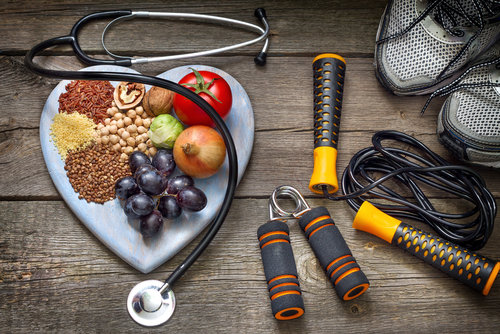
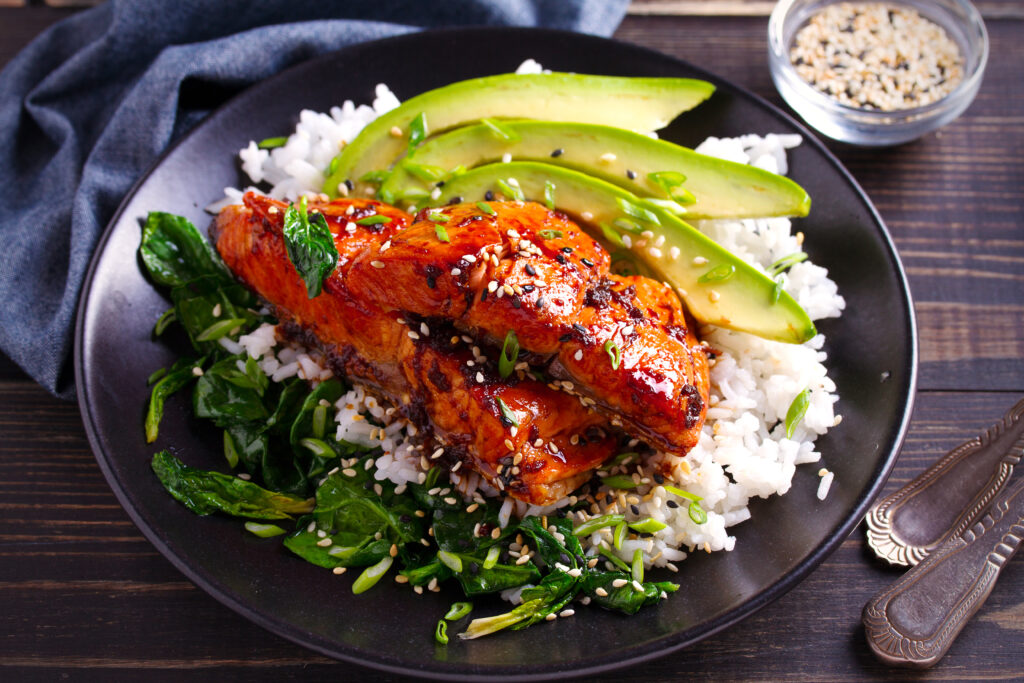
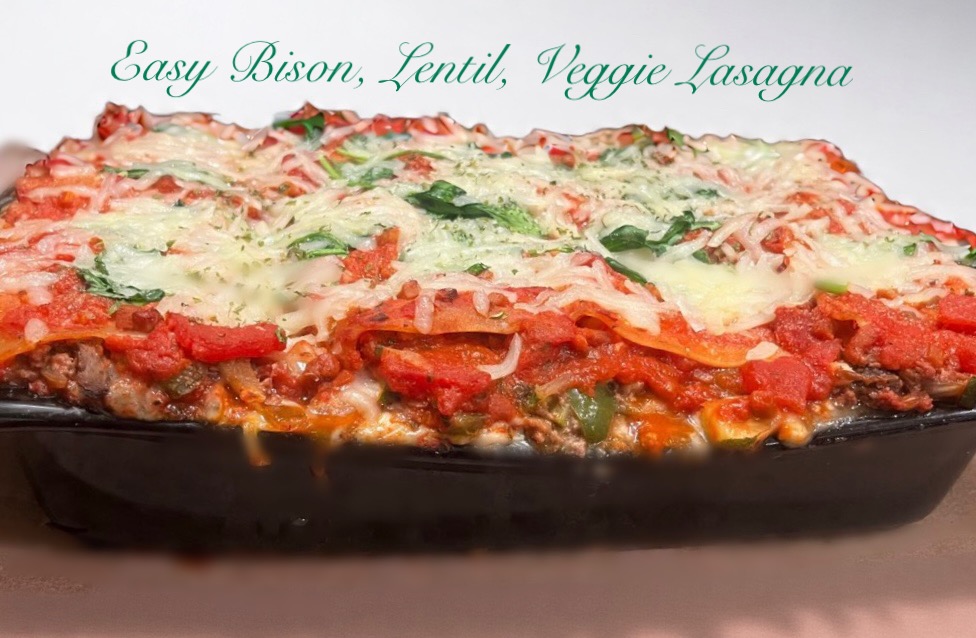

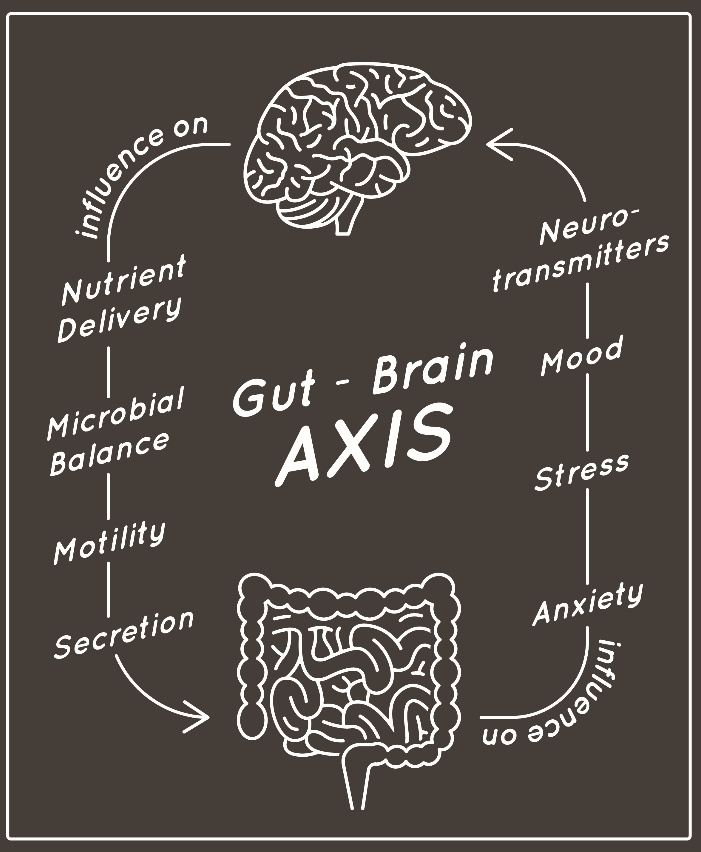
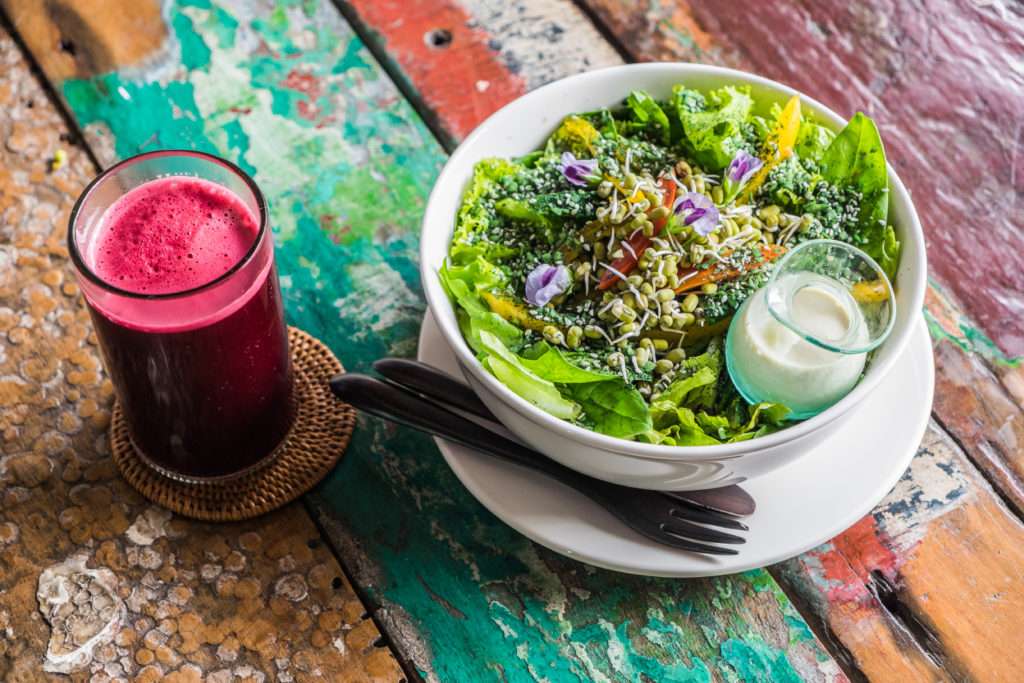
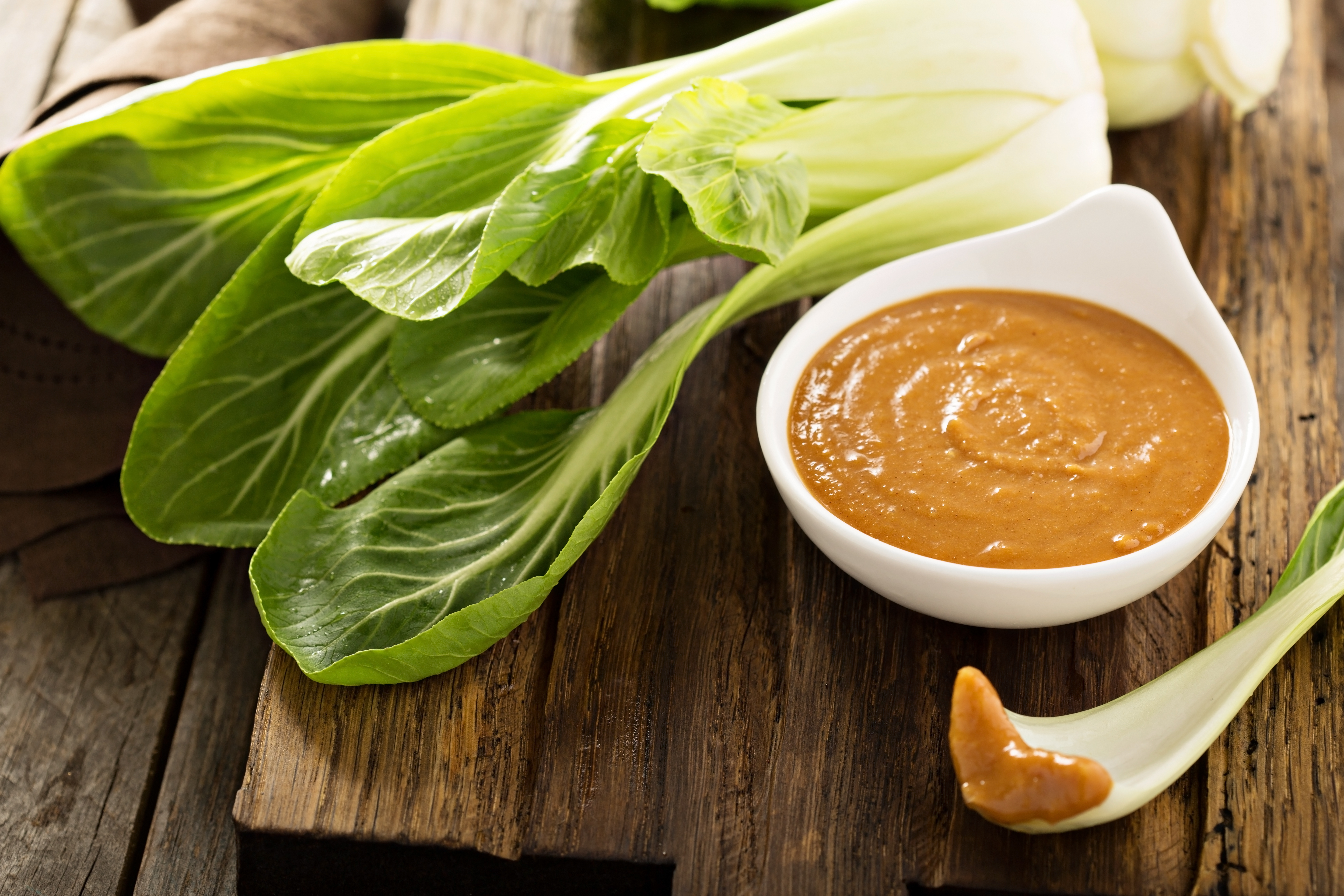
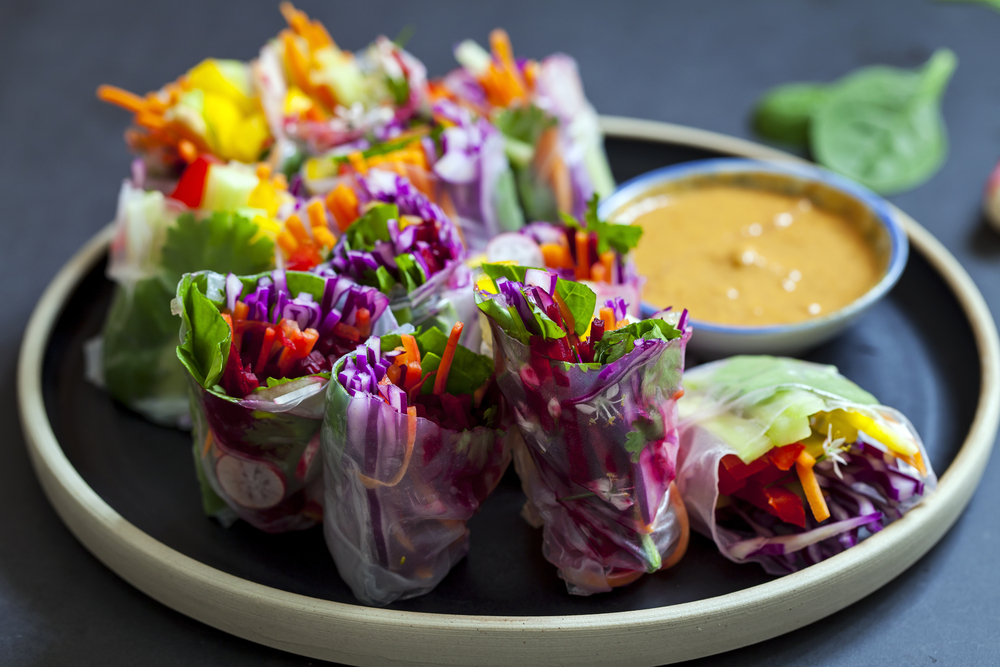
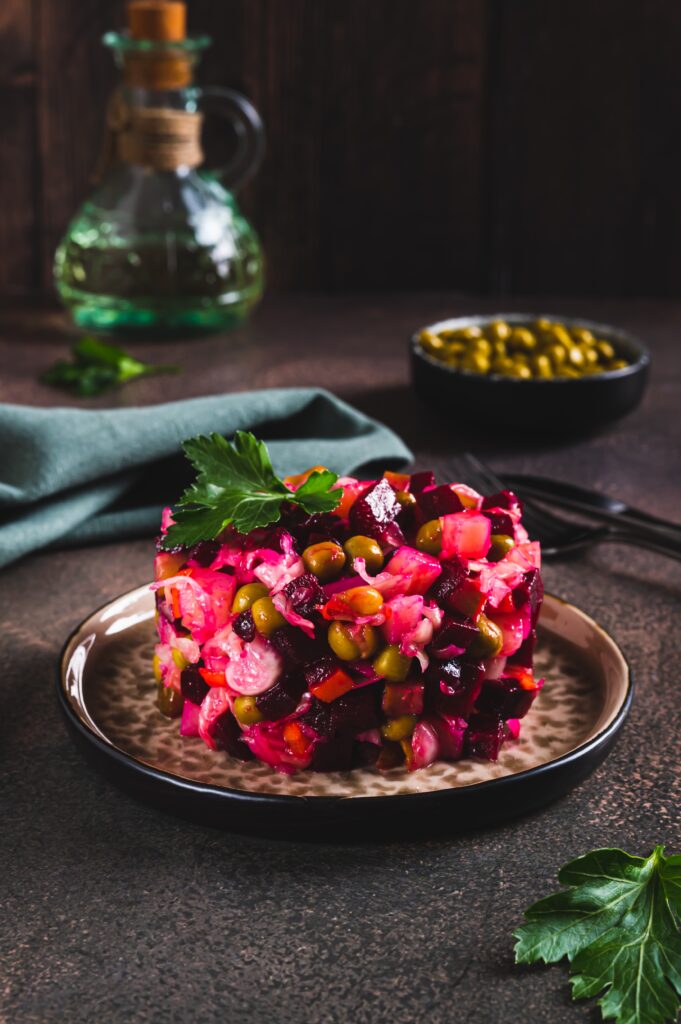
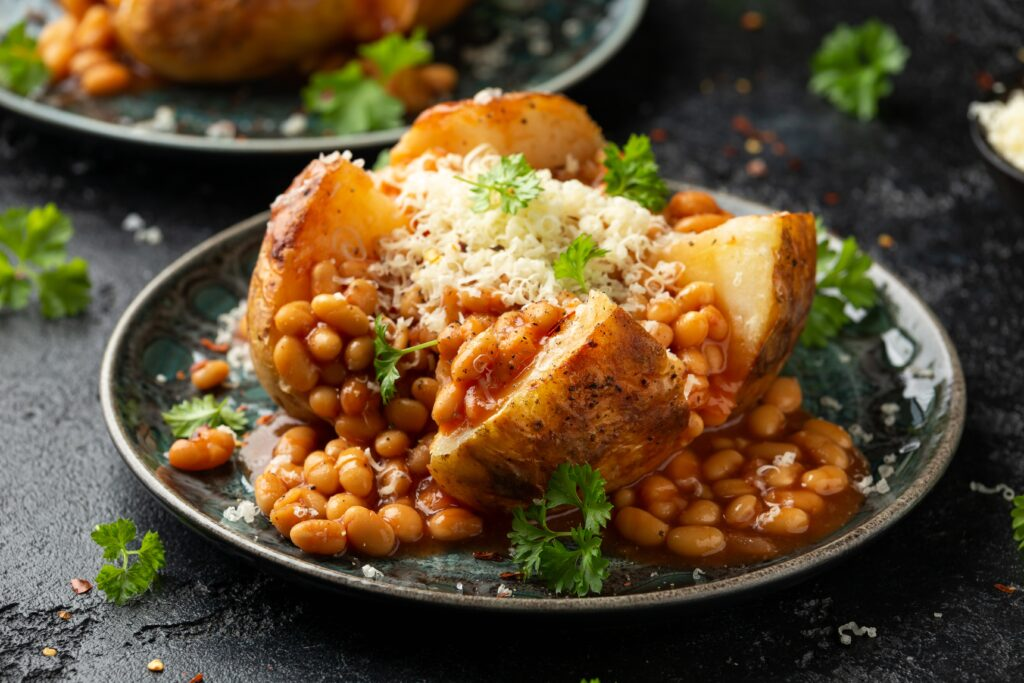
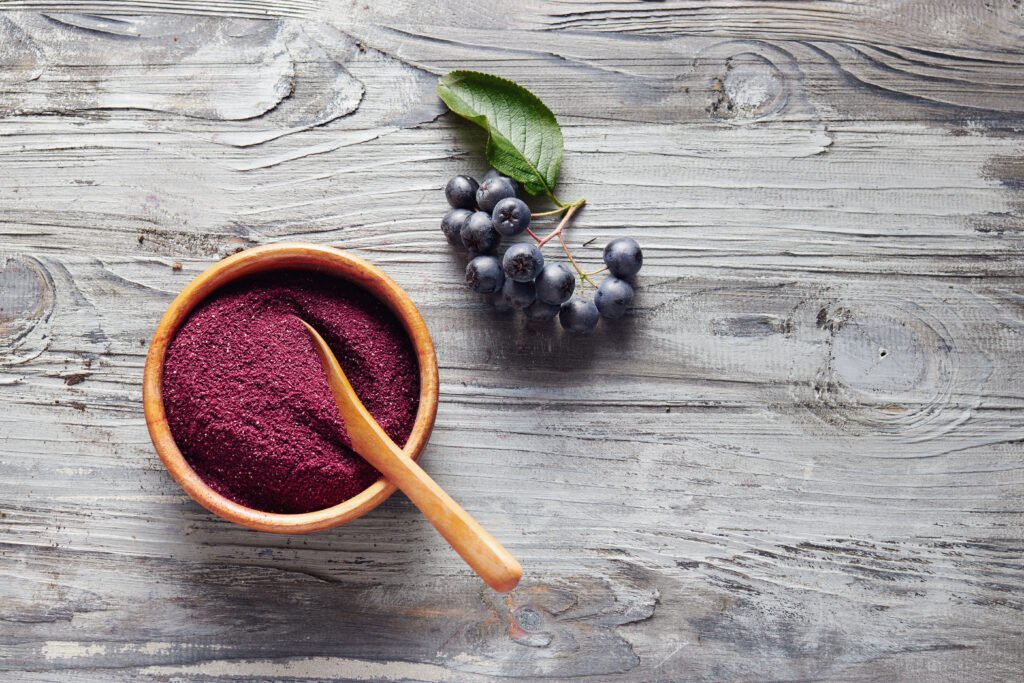
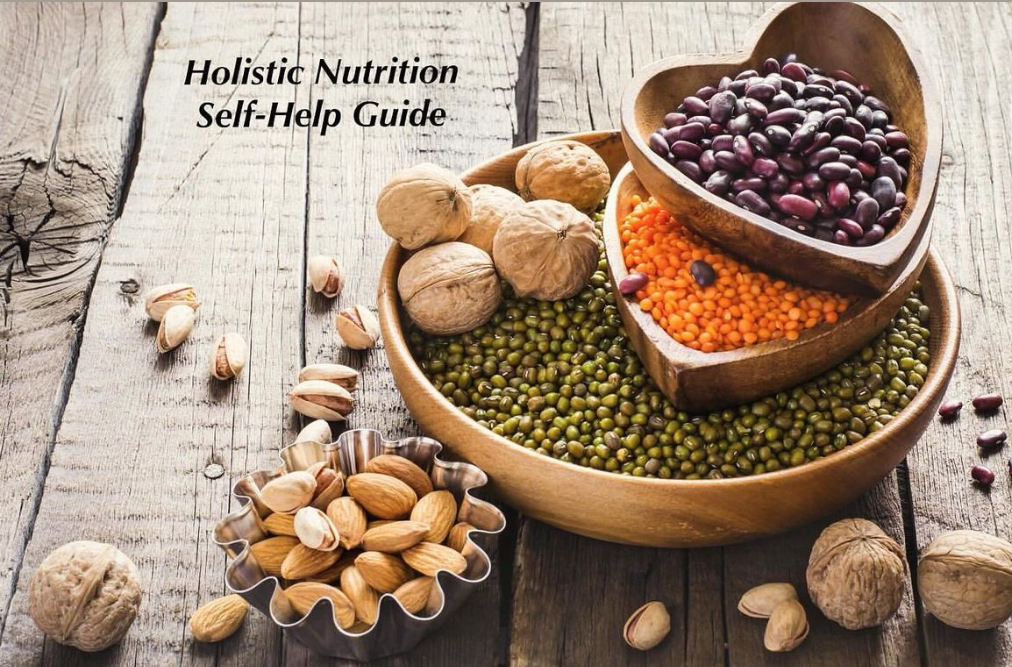

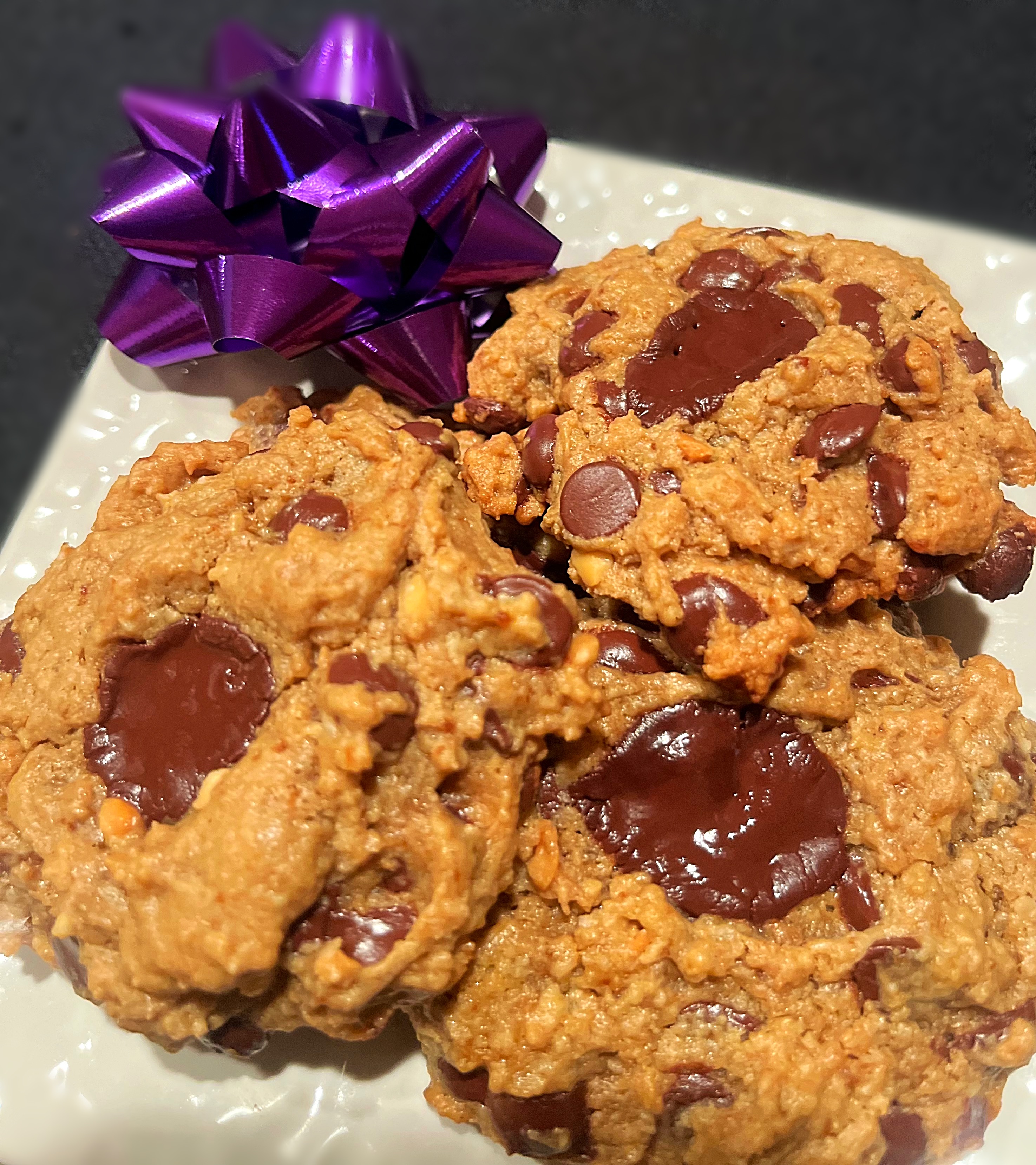
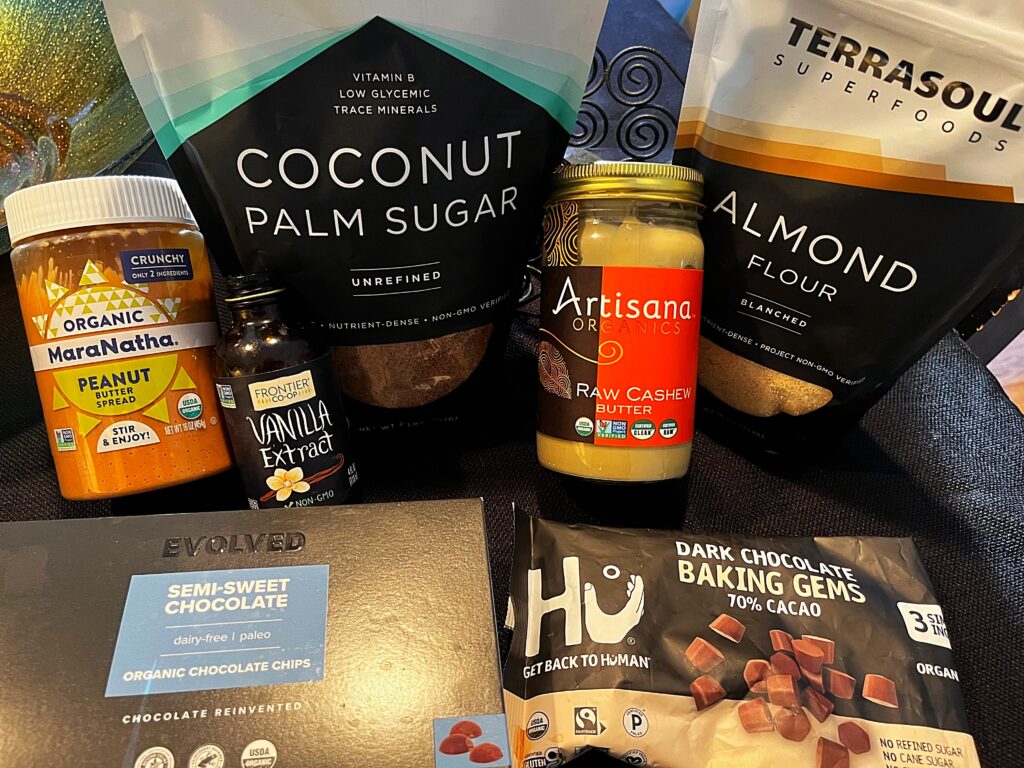
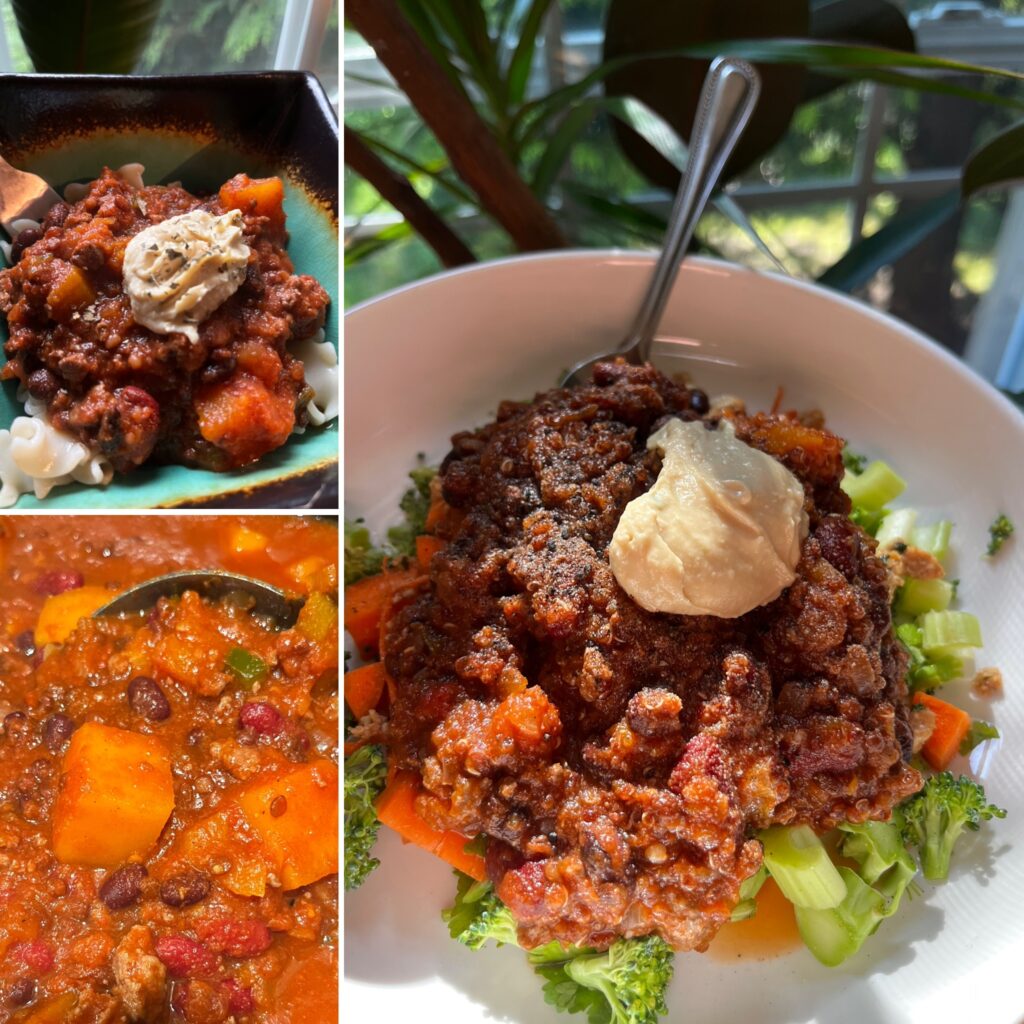
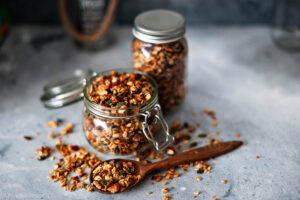
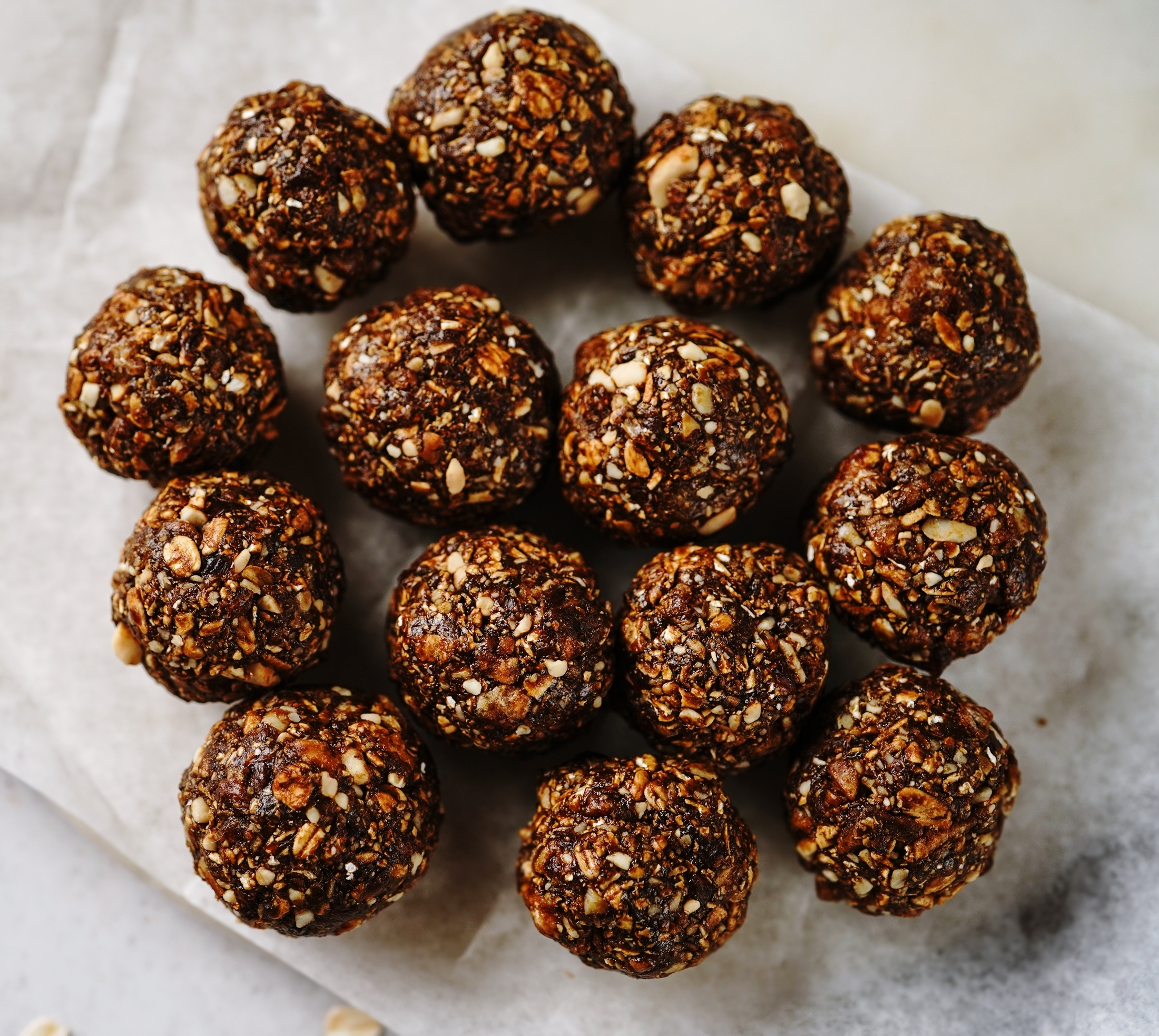

 Side notes from AJ: Even though this recipe does not include ginger, I highly recommend keeping the ginger in this recipe. Ginger has a powerful natural anti-inflammatory component along with carrying antioxidants. Ginger encompasses the presence of oil called gingerol which is excellent for digestion, nausea, and boosting immunity. Ginger can also assist with muscle recovery! More on that at another time!
 here is a recipe with the how to’s-