
A Common Food Staple Contributing to Weight Gain, Parkinson’s, MS, Cancer, Alzheimer’s, Hormone issues, and Bad Cholesterol.
Is this everyday kitchen staple harming you more than you think? 

Hello to All!

Because Parkinson’s disease is a reality for my family—on both sides unfortunately—I’m always on the lookout for new information. I stumbled upon more compelling evidence about a common kitchen staple: one we relied on for survival historically, but now continue to consume, believing it supports our health. The truth may be far more unsettling: research now links this everyday food to damage the very neurons that keep our brains healthy. Also this staple increases the risks of reproductive cancers, weight gain, hormonal issues, and more. The mainstream media rarely highlights findings like these, so sometimes it takes digging to uncover the facts. The blog post below breaks it all down, along with recommended books to explore. While not everyone may take this to heart, my hope is simply to share what I’ve learned—with absolutely no judgment if you choose a different path than mine. I’ll copy/paste their concise summary here from the blog link in case you prefer a somewhat quicker read than their blog. I’ve experienced the loss of two family members to Parkinson’s; it’s horrible to watch them progress through the disease, and it’s devastating to the person and those who love them. I’m not saying this one thing was the only contributor, but it seems like a big one… I hope no one finds out, which is why I feel compelled to share the below. Take it if you will… Parkinson’s and these other ailments it can contribute to are not funny. 

From the blog – https://nutritionfacts.org/blog/the-link-between-milk-and-parkinsons-disease/?utm_source=NutritionFacts.org&utm_campaign=d60f57fcef-RSS_BLOG_MONTHLY&utm_medium=email&utm_term=0_40f9e497d1-d60f57fcef-27266269 

  • “Dairy products are the only food group consistently associated with a high risk of developing Parkinson’s disease. Multiple large studies have found that people who drink the most milk may face a higher Parkinson’s disease risk—about a 50% higher risk overall compared to those who drink the least.”
  • “Brain autopsy research shows that people who consumed two cups of milk a day during midlife had up to 40% fewer neurons in the substantia nigra, a brain region where nerve cell deaths are linked to Parkinson’s disease.”
  • “Among people who drank the most milk, residues of the pesticide heptachlor epoxide were detected in 9 out of 10 brains, suggesting a potential toxic link between contaminated dairy and critical neuron loss.”
  • “The milk sugar galactose, which reaches the brain within hours of consumption, can induce oxidative stress and neuron damage at doses achievable through just two glasses of milk per day, possibly contributing to brain aging and cognitive decline.”
  • “Can’t you just drink lactose-free milk, like Lactaid? That has the lactase enzyme added to make lactose-free milk. But it just breaks down lactose into galactose in the carton rather than in your gut, so you’re still ingesting the same amount of galactose. Perhaps it’s no wonder that more milk intake at midlife may be linked to a greater rate of cognitive decline.” 

My Notes: I’ve sounded the alarm about this for years: milk is dairy, plain and simple. And dairy—anything made from milk—isn’t just problematic; it’s often more concentrated. Cheese lovers, brace yourselves: cheese isn’t just a “processed food”—it’s also essentially a solid block of saturated fat that contributes to clogged arteries to the heart and brain. But the danger doesn’t stop there. It turns out the milk sugar, galactose, and the lingering pesticides found in dairy don’t just impact Parkinson’s risk—they’re also linked to Alzheimer’s and multiple sclerosis. The evidence is mounting, and it’s time we see dairy for what it truly is: a potential catalyst for devastating neurological diseases. Yes, this includes raw milk. It still contains that sugar…

And if you want to get “lean,” milk does not do a body good. Know why? Dairy has been linked to encouraging weight gain; considering cow’s milk was intended to grow a 60 lb. calf to a 700-pound cow as rapidly as possible. If you are trying to create a lean, healthy body, it may NOT “do a body good.” Recent studies have also associated dairy with an increased risk of hip fractures and bone loss. However, there are healthy and delicious alternatives to dairy-related milk, ice-cream, cheese, and chocolate to enjoy and still get our calcium! We need calcium, not dairy. More on Calcium later! Lastly, some dairy products carry high amounts of Phthalate-endocrine hormone disruptors (plastic chemical pollutants from the tubing/machine used on cows). These endocrine disruptors have been associated with increased abdominal fat, endometriosis in women, and reproductive health issues in men and women. For more information on this including many things discussed above & below read – The China Study by Dr. T Colin Campbell, Keep it Simple, Keep it Whole by Dr. Pulde & Dr. Lederman, Breaking the food Seduction by Dr. Barnard, and lastly The newly released updated and revised How Not to Die: Discover the Foods Scientifically Proven to Prevent and Reverse Disease by Dr. M Greger

Let me also reiterate more… Cow’s milk, even when organic has been linked to an increased risk of prostate cancer, breast cancer, and bladder cancer. Dairy has been shown to turn on some cancer cells in our body. Dairy can also cause an increase in arthritis symptoms, asthma, COPD symptoms, and skin issues—especially acne & eczema! It has also prompted early puberty in young girls! Dairy is typically where we get too much estrogen – as dairy provides us with an average of 60-80% of estrogen (not the estrogen you want) and may affect our hormones negatively for both men and women. The Environmental Protection Agency announced that 93% of our dioxin exposure comes from consuming animal products in particular – dairy and fish. Dioxin is the most carcinogenic environmental toxin! When we digest dairy, casomorphins (opioid peptides) are produced which activate the same receptors in our brain as morphine. This may be a reason that processed dairy foods such as cheese or milk-chocolate may be addicting.

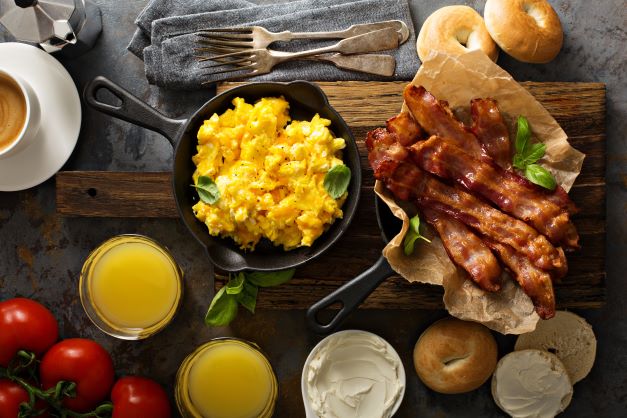
I know dairy is such a common part of so many people’s lives—sometimes it feels like it’s in everything we eat, from the first cup of coffee in the morning with a splash of cream, to buttered toast, or milk mixed into your eggs for breakfast. At lunch, maybe there’s cheese in your sandwich, or even milk solids hiding in your favorite salad dressing and bread. By dinner, mac and cheese might be on the table, followed by a glass of milk with cookies for dessert. It seems almost impossible to avoid, especially with how many processed and packaged foods include some form of dairy. When you start looking, you’ll be amazed at how much it pops up in our daily meals!

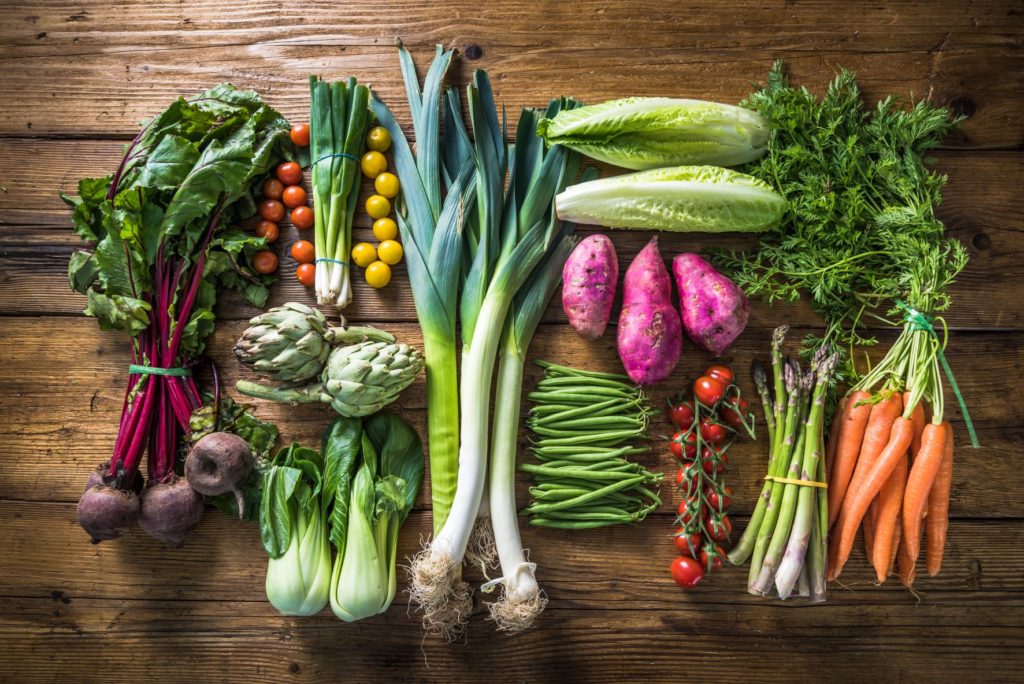
So, what can we do to take charge of our health in a positive way? One powerful step is to return to basics with more homemade meals, excluding dairy, so you know exactly what’s going into your food. Take a closer look at the ingredients in your condiments (or make your own), and when possible, reach for organic options—even if they’re not perfect, they can help reduce your exposure to pesticides. Fill your plate with a rainbow of colorful, plant-based foods like berries, greens, sweet potatoes, legumes, nuts, and seeds. Don’t be afraid to get creative with herbs and spices to make every meal exciting and delicious. There’s evidence that eating a diet rich in fiber—like whole, plant-based foods—can naturally support healthy dopamine levels in the brain! That is an important piece regarding Parkinson’s, by the way along with assisting with toxin removals, and many more wonderful things! Even if you enjoy healthy free-roaming meats & fish like me, pairing them with plenty of fiber-rich sides is a great choice. Small changes can make a big difference, and a more mindful approach to what we eat can truly empower us all.

Thanks so much for sticking with me on this journey. I hope you found something helpful here—and remember, every positive step you take counts. Here’s to good health and vibrant meals!

#ditchdairy

Love,

AJ
Fascinating nutrition info. to assist w/better mental health

In honor of next month being mental health awareness month, I feel compelled to share a powerful and exciting groundbreaking study that just astonished me. And something else coincidently that was quite fascinating to me (possible nutrient deficiency) that might be a missing link for some people…I’m a nutritionist so this piece of the pie comes from that perspective. If you know anyone this may empower, please feel free to pass it along!

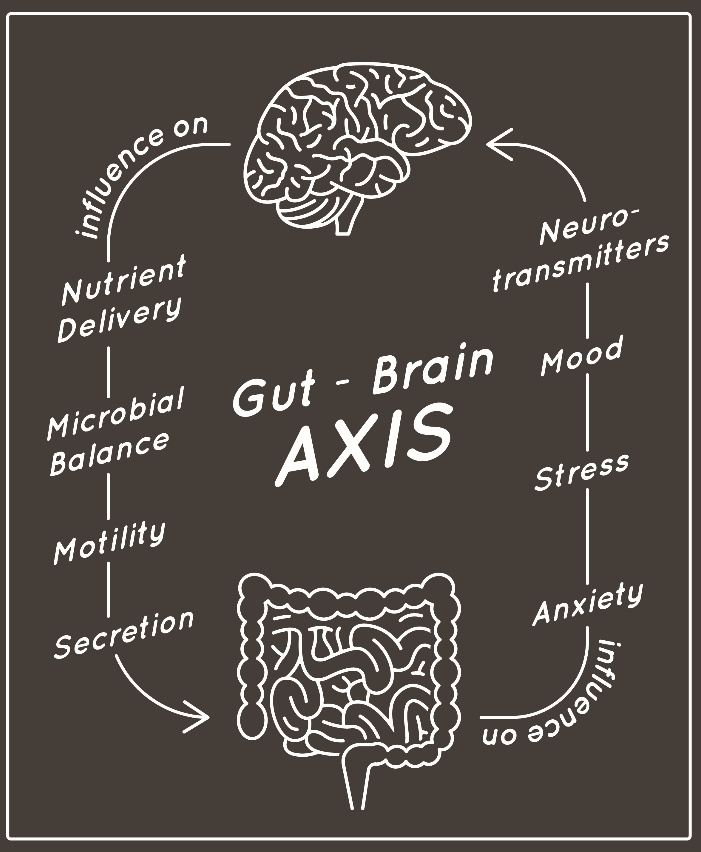
Recently a study was published in ‘Nature Structural & Molecular Biology’, that shows gut bacteria influences brain function at a deeper significant level than genetics – yes, more so than what experts initially realized.  I know we have all heard of the gut-brain connection, but stay with me, it gets more profound! What I understand from some of the summaries is that researchers believe that what we eat influences the gut bacteria to “literally” chemically modify brain proteins which can directly shape the neural pathways linked to memory, learning, mood, inflammation, mental resilience, and much more. The process is called glycosylation that has been overlooked in history. This potentially means that what you eat to support your microbiome could be just as important as your DNA in determining cognitive health along with other body & brain mechanisms. It shapes how your brain functions. So no, gut health is not just a trend on TikTok, it is a biological necessity for peak body & mind performance! This is one of the summaries. – https://www.labroots.com/trending/cell-and-molecular-biology/28553/gut-bacteria-modify-brain-proteins/amp I have something else to share. There is a nutrient that our body cannot produce on its own, making it imperative we get it through our diet…please read on.

This fascinated me: I came across information a few years ago coincidently that there is this phenomenal connection with Folate (and other nutrients) being significantly tied to mental health. What I learned was that low folate levels, or folate deficiency, have been linked to an increased risk of depression (mild to severe) and may even contribute to a less-than-ideal response to antidepressant medication. What? Not having enough folate may contribute to a poor response to medication? Does that mean folate acts as a neurotransmitter? No, but it is essential for the “synthesis” to key neurotransmitters (serotonin, dopamine, etc.) making it essential for brain function and mood regulation. Basically, it helps the “formation” of neurotransmitters. So, this can help with things like brain fog, fatigue, mood disorders, sleep issues, etc. Yes, there are other pillars of life that need to be reviewed, but like I said – the intent of my blog is from the nutrition perspective. Stay with me…because it’s wild to think about something so simple might be a missing link for some. Think about this – doctors make folate or folic acid intake a crucial priority for expecting mothers (including supplementing before pregnancy). This is to reduce the risk of birth defects of the brain and spine in their developing baby among other things. But we forget that as humans in general, we NEED it for life. The human body cannot produce folate (and other ‘essential’ nutrients) on its own, making it necessary to obtain it through diet (or sometimes by supplements). Folate is responsible for many other mechanisms in the body such as the responsibility of red blood cell formation, etc., etc.

Supplementation: Of course, we should try to consume this amazing nutrient naturally daily through our food first the best we can. I’ll list some of the highest concentrations of folate in foods in a second along with a recipe you could consider. It’s also important to note that if you and your doctor think you should consider supplementation, you may need a “methylated” version of folic acid instead. Folic acid is the synthetic version of folate. There is a large percentage of our population that cannot “methylate” on their own a folic acid supplement effectively, resulting in deficiency despite consuming. Please read this article to learn more:  https://draxe.com/health/methylation/  This is also a helpful methylation education video: https://www.youtube.com/watch?v=qSBhVlOqIIo Yes, methylated supplements are also easy to find nowadays. Please also note that folate deficiency usually coexists with other nutrient deficiencies because of its strong association with poor diet, alcoholism, malabsorptive disorders, and even certain medications, etc. Folate that is “naturally occurring” in food/beverages is not harmful. However, you should not consume folate in supplements, and/or fortified foods/beverages in amounts above the recommended upper limit, unless advocated by your health care provider. High intakes might mask a vitamin B12 deficiency until its neurological consequences become irreversible, eek. Most older adults (despite diet) and some others should likely supplement B12 as well (topic for another day). The appropriate amount of folate may even help decrease the chances of some cancer(s), but supplementing in high doses may contribute to a carcinogenic effect along with other issues. Like anything, it is a balance. Food first! How much? Link here – https://ods.od.nih.gov/factsheets/Folate-Consumer/

Foods that are higher in folate among other important nutrients:

Edamame, Lentils (about 90% of DV), asparagus, spinach, kale, broccoli, Brussel sprouts, avocados, mangos, oranges, lemons, grapefruit, beets, flaxseeds, walnuts, roasted peanuts, eggs, and many more! Here is an easy recipe to consider to nourish your body and mind!

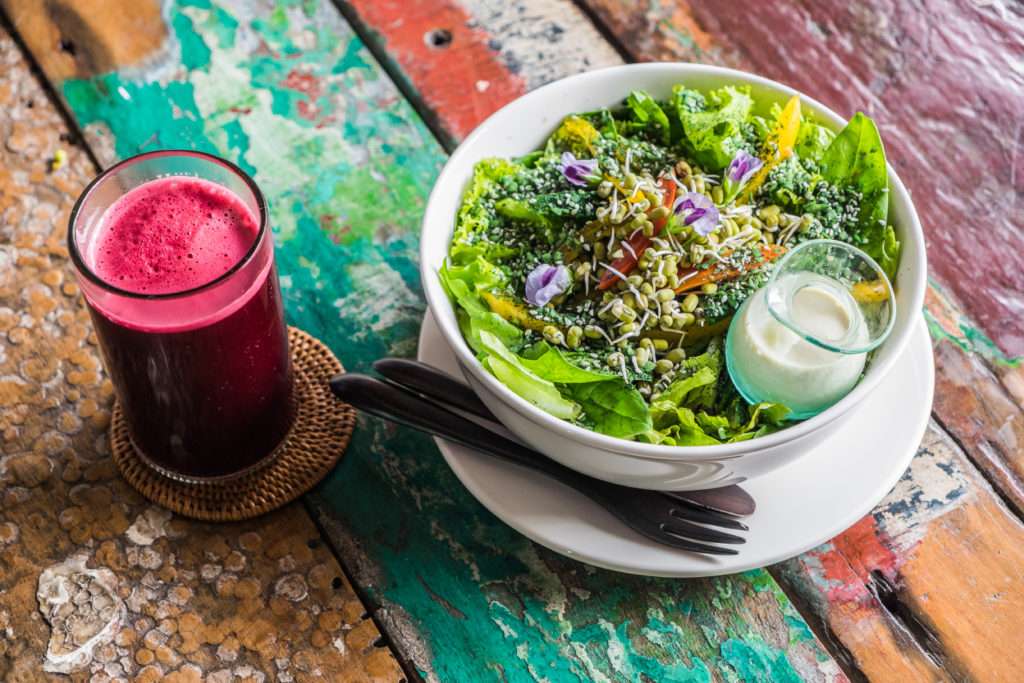
Super Green Berry (folate rich) Smoothie

(adjust portions as needed)

• 1 Handful of Kale

• 1 Handful of Spinach

• 1 Banana (frozen makes it yummier)

• ½ Orange

• 1-2 Cups of Frozen Berries (strawberries, blackberries, blueberries, etc.)

• 1 Tbsp Ground Flaxseed

• 1 Tbsp Chia Seeds

• ¼ Cup of Cooked Sweet Potato (Optional) or ¼ Cup of Oats or ¼ cup (df) Yogurt

• ½ Can of Lentils (trust me) or Black beans (they hide well, promise), if you “just can’t”, add your favorite scoop of protein. Check out Truvani Protein! Super clean!

• Start w/1 Cup of water/or plant-based milk and ice (optional). Add more as you blend to determine your desired thickness!

Note: If your taste buds are used to a sweeter taste, you can consider adding pitted dates to this as well to naturally sweeten it more. Remember, it is more about satisfying our bodily needs, not our taste buds per sei. Think of it as taking your vitamins in some form…

Lastly check this snippet I copied/pasted from this study. Are you getting enough folate and other nutrients? https://pmc.ncbi.nlm.nih.gov/articles/PMC10490031/

“Psychiatry is currently facing a significant moment where the prevailing model, which primarily relies on pharmacological interventions, has only provided limited improvements in addressing the global burden of mental health issues [34]. Recognizing the complexity of mental health determinants, there is an increasing body of compelling evidence highlighting the critical role of nutrition in the prevalence and development of mental disorders. This suggests that diet is just as crucial to psychiatry as it is to other medical specialties such as cardiology, endocrinology, and gastroenterology [35]. This recognition underscores the importance of considering nutritional factors in the context of mental health and expanding the scope of psychiatric practice to incorporate dietary interventions [36]. There is growing evidence suggesting that suboptimal nutrition plays a role in the development and progression of behavioral health disorders, and it can also hinder the effectiveness of treatment and recovery [37]. The underlying pathology of depression may be influenced by suboptimal nutrition due to the crucial role that nutrients play in the functioning of the neuroendocrine system. Various nutrients, such as tryptophan, vitamin B6, vitamin B12, folic acid (folate), phenylalanine, tyrosine, histidine, choline, and glutamic acid, are essential for the synthesis of neurotransmitters like serotonin, dopamine, and norepinephrine [37]. These neurotransmitters are involved in regulating mood, appetite, and cognition, thus highlighting the importance of adequate nutrient intake for optimal mental health [38,39,40].” 

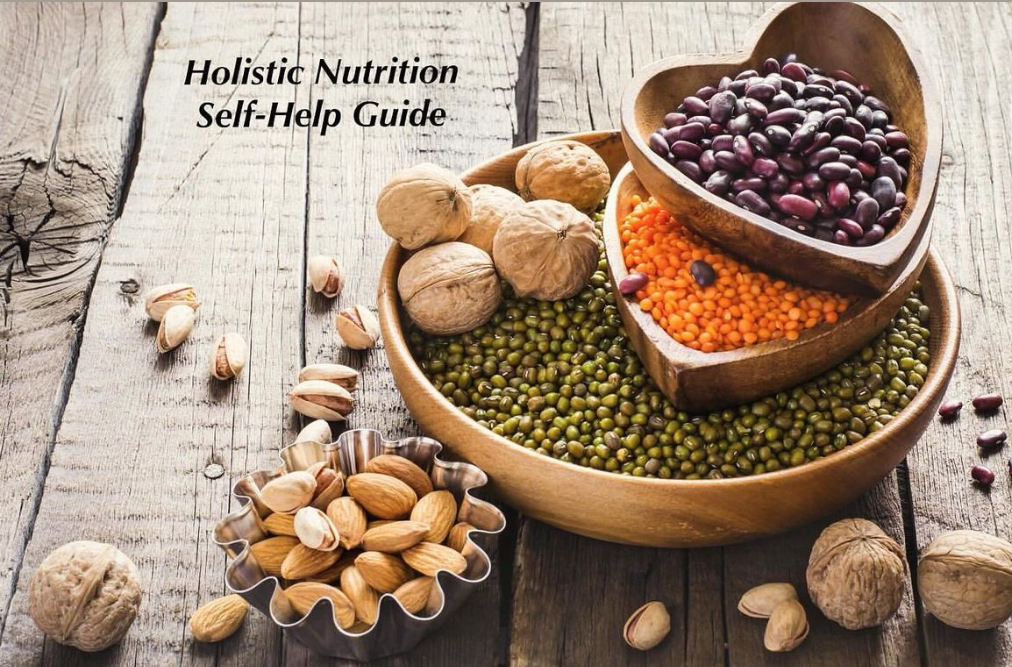
Like anything, there are many other things to consider as the above are just some highlights and do not cover every little thing one would need to consider from a nutritional standpoint. Focusing on a variety of nutritious whole foods is ideal in general for anyone. As a Holistic Nutritionist I love sharing things I have come across as it relates to food to help our beautiful life. There are other “essential” nutrients that we need for brain and body health besides the highlighted folate, especially but not limited to Vitamin D, omega-3 fatty acids, fiber, amino acids, iodine, etc., And, avoiding things like ultra-processed foods and drinks, especially any with artificial colors, sugars, and other ingredients that have been proven to manipulate the gut bacteria. If you are interested in learning more to optimize general health and wellbeing, check out my link to my nutrition guide here:  https://www.ironlegionstrengthco.com/product-page/coach-aj-s-holistic-nutrition-self-help-guide

If you like documentaries: These are so fascinating!

-The Gut our Second Brain

-The Brain that Changes Itself

-The Plastic Fantastic Brain-Rewiring the Mind

Remember, always stay in touch with your healthcare providers to ensure you are on the right track before adjusting any lifestyle components. Please see the disclaimer below. Keep learning, growing, and strive for the best vibes and health you can! Never give up!

Disclaimer: These are general tips and are not meant to replace medical or psychological health care needs. You may choose to follow or disregard any suggested guidance offered and that your decisions regarding your health and wellness are ultimately your own responsibility and the information provided is not to be taken as absolute. If for any reason you feel you need medical attention, reach out to your medical provider ASAP. If you feel you are having a crisis, call 911 or your local emergency service or go to your nearest emergency facility. Individuals experiencing a mental health crisis have access to a team of professionals by visiting The Opportunity Alliance Facility or calling 774-HELP (4357). These professionals are trained to respond to mental health crises 24 hours/day.  This information is not intended and should not be construed as dispensing medical advice or claim to diagnose, treat, prevent, mitigate, prescribe, or cure any diseases, conditions, mental, physical, real or imaginary and that it is not a substitute for regular medical or psychological care. AJ Macomber is not a Medical Doctor, Practitioner, or a Licensed Registered Dietitian (see the about me page for credentials). AJM is not here for medical diagnostics, treatment procedures, or nutrition therapy. Everyone should seek medical advice and be closely monitored by their medical physician/provider before starting or continuing any lifestyle changes such as but not limited to dietary changes, supplemental changes, or physical activity changes, especially if one may be pregnant, or have any pre-existing injuries or medical conditions. 

References: See above for imbedded links, and also https://www.mayoclinic.org/drugs-supplements-folate/art-20364625

Probiotics and Prebiotics – things to consider

Here are some things to ponder and consider to see what is right for you as it relates to probiotic supplements and more. I’ll touch upon the difference between probiotic foods vs supplements and the difference between probiotics and prebiotics. But you might be surprised that a small amount of fermented food is all may you need… I promised I would touch on this from my last blog. If you missed the last blog on increasing your own GLP-1 hormone for better body composition vs weight-loss drugs. This is a must read: https://aj-macomber.com/2024/11/14/thoughts-on-ozempic-aka-glp-1-drug-for-weight-loss-and-natural-ways-you-can-do-it-yourself/

Probiotics are foods (typically fermented foods/drinks or supplements) that contain live bacteria that contribute to improving or maintaining the “good” bacteria (normal microflora) in the body. Such as sauerkraut, kimchi, coconut kefir, homemade sourdough breads or probiotic supplements.

Prebiotics are foods (typically high-fiber foods) that act as food for human microflora which are certain fibers that “feed” the good bacteria in our gut. Think of prebiotics as miracle-grow for your gut garden. Did you know that about 95% of Americans are fiber deficient? This nutrient is essential for a healthy diet, key in toxin removal, bad cholesterol removal, lowering the risks of heart disease, diabetes, weight management, balancing hormones, decreasing inflammation, and some cancers. And of course, feeding good bacteria in our body. Focusing on “prebiotics” which again is “fiber” food for the probiotics is key. Such as bananas, oatmeal, onions, beans/legumes, greens, kiwis, ground flaxseed, sweet potatoes, etc., which will feed the good bacteria we already have in our body.

Be curious and question any type of hype encompassing products you can buy that make things convenient for you (and some are quite expensive I may add). As it relates to probiotics, I find that the education out there sometimes forgets to share that fermented foods provide more units & strains of probiotics than supplements “typically” would. A little bit goes a long way. For example: Synergy Kombucha 16oz = one might only need just 1/3 of the bottle for a serving/day. Even with things like sauerkraut, cashew yogurt w/live cultures, homemade sourdough breads, etc. only small amounts are needed. It’s important to not overdue fermented foods. It’s also important to know that not all probiotic supplements are safe or proven for their efficacy. If you are pregnant or have medical conditions, please consult with your Doctor before consuming fermented foods and/or taking supplements.

To read more about the differences between prebiotics and probiotics, this is a great article to dig in more (fairly quick read): https://www.healthline.com/nutrition/probiotics-and-prebiotics#bottom-line

Like anything, taking a supplement or just a dose of fermented foods is not a magic bullet for taking care of our gut health (which affects everything else in our body). We also need to strive to decrease the gut disrupting non-nourishing foods we may feed ourselves. Highly processed foods and drinks, refined sugars, refined flour, etc., can create major disruption in our microbiome. The wonderful thing is we can do something about it! And things can turn around quite quickly in that garden! If we strive to eat the rainbow focusing on a wide variety of whole foods, along with considering some fermented foods in small amounts, we may help ourselves in a powerful way to reach our unique best health.

But if you still want to consider implementing a supplement form – This guide may help when considering finding one that might be an option. The type/kind matters…

https://health.clevelandclinic.org/how-to-pick-the-best-probiotic-for-you

Certainly, if there is a “reason” your doctor wants you on them besides just looking for ways to optimize general gut health, you might consider asking them if fermented foods vs supplements might be an option for you instead? Like any supplement or even fermented foods, we must do our due diligence to see if they are helpful vs harmful. Some may make certain medical conditions worse. So, it’s important to do your research and speak to your healthcare provider to determine what you may need to optimize your own unique health and wellbeing, especially if you are pregnant or have medical conditions. See links below to dig in more.

Check these quick clips learn more:

Benefits and Side Effects: https://nutritionfacts.org/video/the-benefits-and-side-effects-of-probiotic-supplements/

 Questioning the efficacy and safety of probiotics: https://www.youtube.com/watch?v=zVwHnxL3j-k

If you’d like to learn more about consuming a diet based on whole plant-based foods (that does not necessarily mean animal-free), it means the majority and base of every meal. Check out my self-help holistic nutrition guide that dives into optimizing your health, body composition, and performance! https://aj-macomber.com/new-holistic-nutrition-self-help-documents/ I also talk about what to expect if one is not used to a high fiber diet. One may need to take it slow and gradually build their fiber intake.

Disclaimer: Recipients should seek medical advice and be closely monitored by their physician or a licensed health care professional before starting or continuing any lifestyle changes such as but not limited to, dietary changes, supplement changes, or physical activity changes, especially if you are pregnant or have any pre-existing injuries or medical conditions. AJM attains a Holistic Nutritionist, Sports Nutritionist, and Personal Trainer Certifications from a Credentialing Organization called The American Fitness Professionals & Associates. AJ Macomber is not a Medical Doctor, Practitioner or a Licensed Registered Dietitian and is not here for medical diagnostics, treatment procedures or medical nutrition therapy. 

Wild Super Berry for Cold & Flu

There is a wild super berry that Native Americans (Potawatomi tribe) traditionally used for colds, coughs, and fever. We have these berries right here in Maine. You won’t believe what I came across as it relates to an effective anti-influenza helper like for C@V!D…

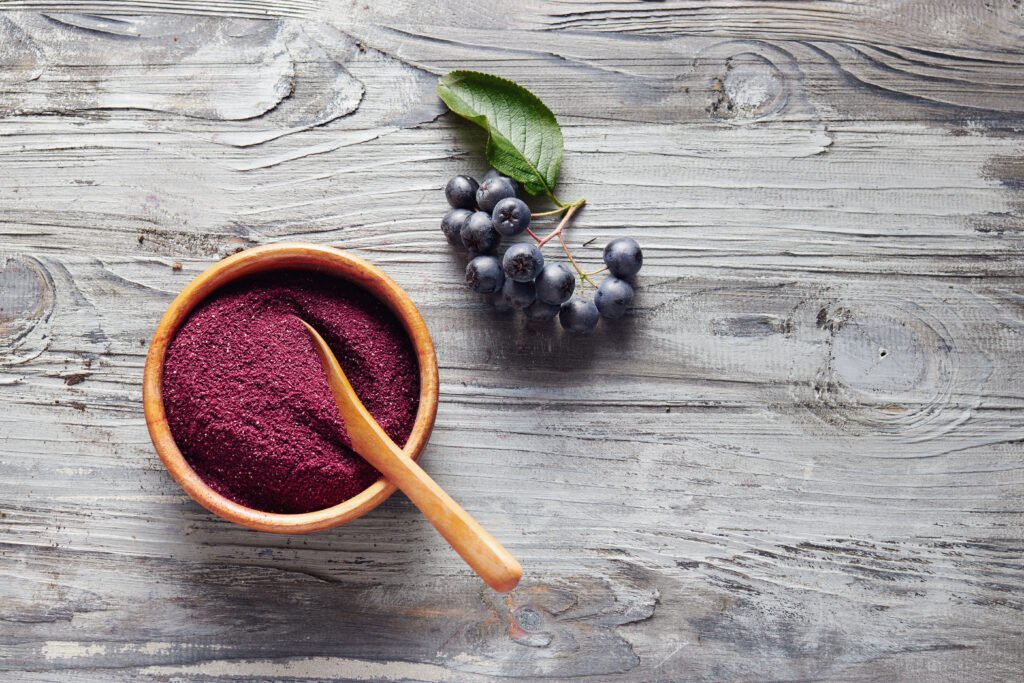
Wild Aronia berries aka chokeberries (not to be confused with chokecherries) are native to us here in Maine, other areas across North America, and Europe. Aronia berries have about 4 times the antioxidants than blueberries, acai, and pomegranate. And can be purchased as an organic Aronia powder that is easy to use in smoothies, mixed in yogurts, or other juices. Like anything, check with your doctor before taking anything new. Especially to ensure there are no contradictions with your unique medical and/or medication needs. I read that some folks may not be able to clot as well while taking this. So just because something is a natural food or food product, doesn’t mean you shouldn’t be careful. For example, Aronia berry has shown to help lower blood pressure and if someone is already on BP medication, one should be carefully monitored, right? I repeat, double check with your healthcare provider to see if this is okay for you.

Now, let me get onto something about COVID… I have copied and pasted directly from PUBMED below so that nothing can get misinterpreted. You will want to read the entire study as well. You bet your bottom dollar I take this daily during so-called flu season…

“We then analyzed the two respiratory enveloped viruses responsible for the “swine flu” in 2009/2010 and the ongoing COVID‐19 pandemic, IAV and SARS‐CoV‐2, respectively, as well as AdV5 as a naked control virus. A 5‐min incubation with chokeberry juice yielded most potent antiviral activities and inactivated IAV, SARS‐CoV‐2 and also AdV5 by 99.99, 96.98, and 93.23%, respectively (Figure 1, Table 1). IAV was most susceptible to all products and infectivity reduced >99% by elderberry juice, pomegranate juice, and green tea. SARS‐CoV‐2 titers were reduced approximately 80% by pomegranate juice and green tea already after 1‐min incubation, however, unaffected by elderberry juice, corresponding to the results obtained with the more resistant surrogate MVA. The naked AdV5 was resistant to three out of four products, however, susceptible to chokeberry juice (Figure 1, Table 1). In summary, IAV is highly susceptible to all analyzed products, whereas SARS‐CoV‐2 can be efficiently inactivated by chokeberry juice and is to a lower level affected by pomegranate juice or green tea.”

https://pmc.ncbi.nlm.nih.gov/articles/PMC9111003/

How did I stumble upon this? A few years ago I was reading that Aronia berry (it was in my immune gummies I’d take when I wasn’t feeling well) that it could help stop the proliferation of diseased (viral) cells. Cell proliferation means “the process by which cells increase in number through growth and division”. I thought that was interesting and thought nothing of it and not linking things together. Until… I was at my dad’s house a couple of months ago with the TV on in the background when an antiviral drug came on for Covid. It caught my attention as one of the things they said, is that it “helps stop the proliferation” of the virus (the cells). I was like, wait… I wonder if anyone has looked at Aronia berry and Covid. The study above is what I found along with other neat articles… It is very cool!

This powerful berry has many other health-promoting properties. Including but not limited to assisting with inflammation in the body, helping cholesterol, and anti-tumor effects. Not only that, I read that in Russia, they are using this as a natural anti-hypertensive and anti-atherosclerotic drug. Amazing!

Other references articles worth reading:

https://www.sciencedirect.com/science/article/pii/S2772566922000064

https://www.news-medical.net/news/20201105/Green-tea-and-some-fruit-juices-inhibit-SARS-CoV-2-in-vitro.aspx

Feel like you need more guidance in general for nutrition? Check out my Holistic Nutrition Self-Help Guide here: https://www.ironlegionstrengthco.com/product-page/coach-aj-s-holistic-nutrition-self-help-guide

If you want to know more of what the Self-Help Guide includes, this will answer many questions here: https://aj-macomber.com/new-holistic-nutrition-self-help-documents/

Disclaimer: Recipients should seek medical advice and be closely monitored by their physician or a licensed health care professional before starting or continuing any lifestyle changes such as but not limited to, dietary changes, supplement changes, or physical activity changes, especially if you are pregnant or have any pre-existing injuries or medical conditions. AJ Macomber is not a Medical Doctor, Practitioner, or a Licensed Registered Dietitian and is not here for medical diagnostics, treatment procedures or medical nutrition therapy. AJM attains a Holistic Nutritionist, Sports Nutritionist, Personal Trainer, Strength & Conditioning Specialist, Tactical Conditioning, Powerlifter Instructor, etc. Certifications from a Credentialing Organization called The American Fitness Professionals & Associates and from International Sports Science Association.

Thoughts on OZEMPIC (aka GLP-1 Drug) for weight-loss and NATURAL ways you can do it yourself!

Did you know that we have a naturally occurring hormone in our body called GLP-1? You have probably heard of weight-loss drugs called Ozempic and other GLP-1 agonists drugs (agonists meaning they mimic the action of the hormone by binding to GLP-1 receptors) in our body for weight-loss. But did you know that you can increase your own GLP-1 naturally and very effectively without drugs or supplements? In my blog I break down how you can increase your GLP-1 naturally along with some science on how our gut-brain connection work together. Along with some other thoughts…

Our gastrointestinal tract is the largest hormone-secreting gland in our body. Which plays an integral role in metabolism like blood sugar/insulin regulation and energy expenditure. Experts have discovered that about 1 in every 100 cells that line our digestive tract functions as a nutrient sensor and can secrete hormones such as GLP-1. Which stands for glucagon-like-peptide-1. GLP-1 not only lines our intestines, but they are also secreted in our brain. When our hormones are functioning well, it tells our brain to suppress appetite and cravings at appropriate levels. So yes, what you nourish your body with will have a huge impact on your hormones, metabolic health, and what people seem to be interested in lately…appetite and cravings to manage body composition.

You can be prescribed an injection like Ozempic with a lot of risks to seriously consider including – death, cancer, bowel obstructions, soiling yourself uncontrollably, pancreatitis (which some women have reported it to be more painful than childbirth), major muscle loss, increasing frailty, and much more. And in the US, you’ll pay over $1,000 a month for this weekly injection compared to those in Germany who pay $59/mo. Yes, there are insurances looking into this currently. According to some of the material I have uncovered on this pharmaceutical, the risks vs benefits seem to be quite scary on the risk side of things. Not something I would encourage my clients to look into taking whatsoever, unless it has been carefully vetted through a thoughtful provider that feels there is a “medical necessity” (not just for vanity purposes) and has YOUR best interest at heart. I just would be so worried about their health and safety otherwise. Especially since the good news is – there are other ways of adjusting our metabolism if someone is willing to do the work! Heck some people gain weight from this drug. Like anything, the first line of defense should be striving for lifestyle changes before looking into exogenous means. Listen, there is no judgement from me if that is someone’s route of method, people have free will to do what is best for themselves. I digress…

So how do we do it naturally you ask? If you feel your metabolism is stuck, it is valuable to consider making changes in the quality of food and/or the amount of fiber consumed. Also, GLP-1 secretion does not just depend on what we eat, but how we eat. When we go through the proper mastication process “chewing our food” and not drinking our calories, makes a massive impact. When we take our time and eat our food slowly and thoroughly (chewing our food 30-40 chews with each bite) – that naturally increases the secretion of GLP-1. You’ve probably heard, don’t drink your calories (or eat ultra-processed foods) as it will land on the hips. Even eating an apple (about 5 grams of fiber) vs drinking apple juice (small amount of fiber at 0.5 grams) makes all the difference in the world. Shoot for whole foods! But why does this happen, you ask?

Well, a lot of times our GLP-1 fails because most of the food we eat nowadays like processed foods and specifically foods without fiber absorb quickly into the beginning of our small intestines. Why does that matter? Because our GLP-1 secreting cells are concentrated at the “END” of our small intestines. In order to reach the end of the small intestines, we need fiber rich foods (but not Metamucil though) to get there! If we focus on whole plant-based foods as the foundation of our meals such as beans, tubers (squash, potatoes), groats, sprouted grains, fruits (like berries), veggies (greens like spinach), and mushrooms… it will make its way further down the digestive tract to work as nature intended with our GLP-1 hormones! Boom! Even spicing up your dishes with cinnamon, curcumin, and cayenne can also have a positive impact on GLP-1! The other cool thing about high fiber foods, is that the fiber itself traps some of the calories consumed and flushes them out of our system including toxins! Have inflammation in the body? Eat fiber-rich foods! Don’t like the taste of some of the fiber-rich foods, keep trying them… our taste buds change over time, and you may acquire a taste for it after 10-14 days!

Side note: A lot of food offered today has had their nutrients and fiber stripped. It truly does matter what we nourish ourselves with. Think about this, it is understood that about 70-80% of our immune system is in our gut. About 90% of serotonin is made up in our gut as well – which is responsible for assisting our body with sleep, happier mood, sexual desire and function, digestion and much more. We have a fiber and nutrient deficiency, even though we overeat. It’s about choosing food that nature intended us to consume. Over 95% of Americans are deficient in fiber and we wonder why we are unwell or have sticky metabolisms… This nutrient is essential for a healthy diet, key in toxin removal, bad cholesterol removal, lowering the risks of heart disease, diabetes, weight management, balancing hormones, decreasing inflammation, and some cancers. How much fiber? Read this: https://nutritionfacts.org/blog/how-much-fiber-should-you-eat-every-day/ Along with this! https://nutritionfacts.org/video/the-five-to-one-fiber-rule/

If you’d like to learn more about consuming a diet based on whole plant-based foods (that does not necessarily mean animal-free), it means the majority and base of every meal. Check out my self-help holistic nutrition guide that dives into optimizing your health, body composition, and performance! https://aj-macomber.com/new-holistic-nutrition-self-help-documents/ I also talk about what to expect if one is not used to a high fiber diet. One may need to take it slow and gradually build their fiber intake.

If you want to learn more about the risks and benefits of GLP-1 drugs, read the book from Dr. Michael Greger called OZEMPIC risks, benefits, and natural alternatives to GLP-1 weight-loss drugs.

EXTRA INFO ADDED NOVEMBER 18, 2024

Cravings… Did you know that we have actual taste receptors in our gut? Having diversity in fiber-rich foods not only influences your intestines, but as I eluded above, specifically, microbes have been shown to alter the neurotransmitters in our brains. Which can manipulate our food cravings, influencing our food choices. Certain little microbes are asking you to feed it, literally. They are sneaky little dudes. So yes, your gut flora is sending you some serious messages to your brain to give it (insert whatever desired craving) as there are actual taste receptors in your gut. You can change your cravings fairly quickly by simply (I didn’t say easy) not consuming them consistently for a few days. Depending on how well you treat your garden aka gut, it can take up to weeks and sometimes months to fully be without that craving. But with consistency, you CAN get there. What happens is the bacteria asking you for more of those craved foods/drinks, they eventually die off without you giving it what it wants.

What is pretty cool is just by improving our digestive health, even without a calorie deficit or increased exercise (which by the way is not always the answer for weight loss) … One can naturally lose inches by a healthier microbiome! Fiber rich foods are like Miracle-grow for your gut flora! Think of things like legumes, artichokes, garlic, onions, greens, sweet potatoes, bananas, strawberries, etc.

Did you know that if we don’t have enough of certain probiotics (our bacteria in our guts), such as the lactobacilli strain, some folks can have more anxiety, worsened sleep and even higher heart rate? But when restored, our mood can improve, so don’t forget your foods with live cultures! This may include things like yogurt, pickles, sauerkraut, and sourdough! If you are pregnant, please check with your OB before consuming. Like anything, always check with your provider before trying a new lifestyle change. Side note: There are mixed reviews on probiotics, so try to get your dose from organic foods. More on that at another time…

Update 1/27/25 – For more info on Probiotics see blog here: https://aj-macomber.com/2025/01/27/probiotics-and-prebiotics-things-to-consider/

Disclaimer: Recipients should seek medical advice and be closely monitored by their physician or a licensed health care professional before starting or continuing any lifestyle changes such as but not limited to, dietary changes, supplement changes, or physical activity changes, especially if you are pregnant or have any pre-existing injuries or medical conditions. AJM attains a Holistic Nutritionist, Sports Nutritionist, and Personal Trainer Certifications from a Credentialing Organization called The American Fitness Professionals & Associates. AJ Macomber is not a Medical Doctor, Practitioner or a Licensed Registered Dietitian and is not here for medical diagnostics, treatment procedures or medical nutrition therapy. 

Powerful link between Nutrition & Hormonal Imbalances, PCOS, Hormonal Acne, Terrible Periods, and Endometriosis

Hormonal imbalances, PCOS, hormonal acne, terrible periods, endometriosis – so many things us Ladies have and continue to endure. Since March is National Endometriosis Awareness Month, I feel compelled to share that there is a helpful powerful link between nutrition and endometriosis along with other hormonal imbalances.

About 1 in 10 women have endometriosis and it can lead to infertility, cardiac disease, and a continued cascade of things that may follow. Yes, there are other things that can contribute to this besides nutrition. But nutrition is POWERFUL, maybe even more so than people realize and could be the one thing standing in their way to feeling better! Did you know that experts have recently been intrigued by the dietary habits of Japanese women? They have the lowest reported rates of endometriosis, ovarian cancer, and other reproductive concerns in the WORLD! It has also been generally observed that Japanese women tend to experience fewer and less severe menopausal symptoms. I’ve encompassed some of the things they do below. I will also list some foods/drinks that are healing to endometriosis, help with balancing hormones, and to the body as a whole. I’ll discuss one special food item that could be key and could likely be used as a “supplement” to assist with pain associated with endometriosis. My wish is that what I have learned from experts and now sharing with you in this field will only help. As there have been many ladies that have decreased their symptoms, and I understand some have cleared endometriosis just by their lifestyle! If you’re willing to try new things, fail and keep trying, have patience, and have struggled enough… Then have a look below to see if this is right for you. Like anything, speak to your doctor first to ensure these changes are okay for you (please see my disclaimer). Now let’s get into it. This is just a starting point…

What is Step One?

Reduce excess estrogen circulating in the liver via what we fuel our bodies with. Endometriosis is fed and dependent on excess estrogen. Yes, on the flip side estrogen is extremely important, and we need it to be healthy. But a lot of times the food and environment we saturate ourselves with can create quite the excess = imbalance. This is also not just a concern with endometriosis, it is a concern if you have terrible periods, have PMS, hormonal acne, and other things. There are a lot of similar things one can do just through food alone. Estrogen imbalance can also affect the gut lining, increase permeability of the gut creating leaky gut, or just simply increase digestive issues. Excess estrogen holds onto fat cells, especially in the abdomen, and the more fat cells we carry, the fat cells will then make more estrogen (it’s a catch 22). Also, if we don’t take care of our stress level and we are constantly cranking up our cortisol (even with coffee) can have a major domino effect. Increased cortisol can increase insulin, can drop blood sugar too low, then trick our brains that we crave things that will not nourish us. I’ll talk about coffee later as you will be surprised how much it can affect hormones, especially in women!

Foods and products that worsen and increase estrogen exponentially and contribute to increased symptoms of endometriosis and other ailments. Here are some things to avoid.

We need to decrease “phthalate” exposure: these are hormone disrupting plastics and chemicals stored in even in our plastic water bottles we drink from (major endocrine disruptors)! Did you know that a lot of foods we eat have phthalates in them nowadays? It has become a huge concern and major negative contributor to disrupting our endocrine system. Here is a small list to start, plus more that contributes to increasing endocrine concerns.

Non-organic foods: mass-factory farmed meats and farmed fish are loaded with additional hormones, and carry phthalates, even non-organic plant foods are loaded with chemicals and pesticides. These have been shown to increase estrogen not just in women, but men too. And not the estrogen we want…Yes even some “organic whole foods” have been shown to have “some” pesticides. It’s due to the wind blowing them from conventional farms to the organic ones…But going organic will decrease your exposure tremendously, plus the soil they use will bump up the nutrients in that food. If you’re on a budget, avoid the Dirty Dozen (produce labeled with the most pesticides/or just get them organic) or get the Clean 15 even when not organic = check the list yearly. A quick google search will get you there.

Also Avoid:

Alcohol (especially beer). There are certain times this can be enjoyed on the occasion. But not during the healing phases…This is a big one, avoid it. 

Caffeine (especially coffee) – I’ll talk more about that below. It is a big deal! Sorry.

Dairy (all, even organic, even dairy-yogurts) men and women nowadays are getting an increase of about 60-80% of extra estrogen through dairy. How? Plastic tubing used to “milk the cows” and depending on what they feed or inject the cows with as well. There are also other compounds not helpful to the body in general. This is a big one! 

Processed meats – deli meats, bacon, etc.

Ultra-Processed foods – big one!

Refined sugar & refined carbohydrates (especially white sugars and white flour).

Artificial sweeteners – likely obvious due to the word “artificial”, get migraines? – These can increase that! Anything artificial, our body doesn’t recognize and will exacerbate symptoms.

Trans fat (found in ultra-processed foods) and fried foods.

Poultry (all chicken even if organic) has high levels of phthalates.

Drinking from plastic (phthalate and other endocrine disrupting chemicals) – no plastic bottled drinks.

Tap water (another topic for another time) – filter your water folks!

I would even highly consider things you are putting on your skin, washing your clothes with, and products you clean or fragrance yourself or your home with (whole other topic for another day)

Coffee: Who doesn’t love it? I sure do, but you may want to consider replacing it while you’re healing. Or decreasing it exponentially and just as an occasional treat after the healing process. And if you do, always on a full stomach. Why? It can increase our cortisol and that is the last thing us Ladies need, resulting in a cascade of hormonal shifts. Always, always organic! Why? Conventional coffee beans are largely produced in mass quantities that contain high amounts of mold and mycotoxins and are one of the most heavily sprayed crops with pesticides. Side note – some people will feel an improved difference in their arthritis and clearer skin (including eczema) by switching to organic.

It has been shown that those who avoid caffeine, especially coffee, have made a dramatic shift in how they feel when dealing with endo and other hormone related imbalances (hello perimenopause)! As mentioned above, it can shoot up our cortisol, decrease fertility rate, depletes B Vitamins & Magnesium which are crucial for hormonal balance! And that is what we are shooting for, “hormone balance” through our cycle. Did you know that about 90% of women don’t process caffeine correctly? It depends on our CYP1A2 gene? Too much caffeine can increase the tendency of the breast and ovaries to produce cysts as well. Sometimes even breast tenderness is increased by caffeine. I’ll talk about a natural coffee alternative used in Traditional Mayan Superfood options. Ever heard of Maya Nuts? Stay tuned.

 What are some foods that we should focus on for healing?

Emphasis on more fresh whole organic plant-based foods (veggies, fruits, legumes, tubers (especially sweet potatoes), whole grains, healthy plant fats (avocado, walnuts, ground flaxseed, chia, and other nuts & seeds) are remarkably helpful! Think homemade, learn to cook! It will be a superpower of yours!

Increase fiber – this may take a while for your body to adjust to, increase flatulence, cramps, etc., but it will be worth the patience as your gut microbiome balances out. More fiber = increased fertility and balanced hormones. Beans, beans, beans…

It will be important to frontload your meals with fresh veggies and fruit. Ya know, like back in the day when one would have a hardy salad as an appetizer before the main meal. This will assist with absorbing nutrients, preparing the digestive tract, and to help balance blood sugar. If it’s too much of a hassle, just make it a priority to include fresh and cooked veggies and/or fresh fruit with every-single-meal in general. It has a tremendous positive impact on our overall health.

For meat or eggs, shoot for one serving a day while healing. If you have eggs for breakfast, make the rest of the day plants. It would even be good to have meatless, animal-free-days to ensure we don’t overload our bodies with “their” hormones. Ensure animal products are organic, free-roaming, and grass-fed. You don’t want to eat factory farmed animal products as mentioned above. They are fed GMO soy and corn. Also, they are given many supplements and hormones to keep them edible and tasty, but not nourishing to us.  A lot of times these animals become sickly…I would look at wild caught salmon, sardines, organic turkey, and bison as some possible options. Beans and lentils are an excellent source of nutrients, fiber, and protein!

Drink filtered water.

Instead of plastic, drink from glass (mason jars work) or stainless steel. 

Here are some very specific things to consider consuming that will help eliminate and remove excess estrogen within our liver creating havoc on the endocrine system. These are POWERFUL!!!!

2 TBSP of Organic Ground Flaxseed daily – helps to bind excess estrogen and remove it from the gut. It is high in healthy omega fasts, improves digestion, decreases sugar cravings, and is a potent seed to balance hormones!

2 Cups Cruciferous Veggies (Broccoli, Kale, etc.) These have a specific phytonutrient called sulforaphane. This is crucial for liver detoxification to eliminate the excess estrogen. Plus, it helps neutralize cancer cells.

¼ Cup of Fresh Cilantro – Powerful liver detoxifier to eliminate excess estrogen.

1 Cup of Organic Soy milk – please read this article if you are concerned about soy, this will arm you with important updated information. https://aj-macomber.com/2022/10/27/resources-for-menopause/  There are new “human studies”. Most of the information prior was done on animals studies and come to find out we metabolize this natural food very differently than animals, changing the narrative greatly! It also addresses the importance of the “type” of soy consumed. You may discover this is a powerful legume beyond what we originally thought. Plus it has resources for peri/menopause.

Want to make this into a smoothie, this could likely serve as two servings (choose all organic). All chosen for a reason. I would recommend experimenting and trying this daily for 3 weeks leading up to your period. And especially two weeks before your period as that is when our estrogen naturally increases, and we may need the help from powerful foods to rid any excess estrogen contributing to the uncomfortable symptoms.

Certainly, add ice or more filtered water as you see fit for palatability.

  • 1 Cup of Flaxseed milk or Soy milk
  • 2 TBSP of Ground Flaxseed
  • Broccoli
  • Kale
  • Cilantro
  • 1 Cup of frozen mixed berries (blueberries, strawberries, raspberries, blackberries, cranberries)
  • Banana
  • 1 Medjool date (pitted)
  • Couple dashes of Black Pepper
  • 1/8 tsp of Turmeric powder
  • 1/8 tsp of Ginger powder
  • 1/8 tsp of Cinnamon

** ¼-1/2 tsp of Bladderwrack. This is the supplement I was referring to that I understand a lot of women have had a powerful response to! It has helped many women decrease their pain and help rid excess estrogen.  It is a natural brown alga that has a unique phytonutrient not found on land! Check with your doctor first as it is also high in iodine. If we consume too much iodine containing foods and you have a thyroid concern or on thyroid medicine, there could be a major contraindication. We must be careful not to consume or take too much even without thyroid issues! It would be worth exploring with your doc, as it is a powerful anti-inflammatory, anti-tumor, antioxidant, aids in digestion and assists with pain! Usually, it can be found at natural food stores or online. Be picky and find quality. Typically, 1/4-1/2 tsp is all one would need in a day. 

You could also add oatmeal (no quick oats) and rice protein as a gentle additive to make your smoothie into a meal. Or do what I do, add a serving of chickpeas. These beans hide well in smoothies, promise. Check out NutriBiotic Organic Rice Protein and I would recommend organic steel cut or old-fashioned rolled oats.

Snack on pumpkin seeds and Walnuts (excellent source of magnesium, zinc, healthy fats and much more!)

1-2 Brazil nuts/day. Too much can give you too much selenium. But we need it!

Let’s talk about a possible Coffee alternative: 

Maya Nuts aka Ramon Seeds: The flavor is much like coffee with chocolate notes. It’s technically a seed and not a nut. I have come across a brand called Teeccino and they do carry some organic tea bags that have this Ramon seed. It is quite delicious, no caffeine, but naturally energizes you and tastes like coffee. If you are addicted to coffee/caffeine, you may need to wean yourself off and not go cold turkey. I would check it out, mostly found at Natural food stores and of course online!

So, what steps can you start with today? Pick away at it, even if it’s just starting with that smoothie every morning. Maybe it is switching out the coffee and caffeine type drinks.  I’m wishing everyone the best healing! Keep learning, keep digging, keep trying! You got this!

References and more resources available upon request.

And you may also be interested in learning: https://aj-macomber.com/2023/01/14/why-supplementing-with-b12-is-imperative-for-plant-based-eaters-and-possibly-others-despite-their-diet-choices/

And also if you missed my other blog on: https://aj-macomber.com/2023/01/14/nutrition-announcement-as-it-relates-to-a-critical-nutrient-deficiency-on-the-rise/

Disclaimer: AJ Macomber is not a Medical Doctor, Practitioner, or a Licensed Registered Dietitian. AJM is not here for medical diagnostics, treatment procedures, nutrition therapy, etc. You should seek medical advice and be closely monitored by your physician or a licensed health care professional before choosing to start or continue any lifestyle changes such as but not limited to dietary changes, supplemental changes, or physical activity changes, especially if you may be pregnant, or have any pre-existing injuries or medical conditions.

Why supplementing with B12 is imperative for Plant-Based eaters, and possibly Others despite their diet choices.

Updated: What I’ve learned from experts/read below regarding B12:

It is important to know that insufficient B12 levels can possibly lead to severe health complications. Some examples may include but are not limited to – brain damage, vision loss, muscle weakness, fatigue, difficulty concentrating, gastrointestinal distress, anemia, nerve damage, stroke, problems walking, etc., etc. These can be very serious conditions possibly leading to permanent disabling damages or death!

Experts say it’s required that anyone over the age of 50 (despite diet choices) or anyone that is on a Plant-Based type diet (at just about any age) along with other stipulations should supplement with B12. For adults, it’s been shared that Cyanocobalamin 50mcg per day would be ideal. Check with your physician for proper dosage for those under the age of 18 years old. B12 dosages may also vary depending on other factors (certain conditions, and post certain surgeries) despite age and diet – please confirm with your medical provider and watch this quick clip from Dr. Michael Greger for more important info. https://nutritionfacts.org/video/the-optimal-vitamin-b12-dosage-for-adults/

Our bodies do not make Vitamin B12, making it essential to get it through supplements and/or our food. Sometimes animal products themselves do not have enough B12 which is the reason why those who even eat meat, poultry, eggs, etc. and are over the age of 50 should consider taking B12 no matter their diet routine. Even cows that are not grass-fed also need a B12 supplement. The older we get, the harder it is to absorb this vitamin.  Sometimes we can eat food that is fortified with B12 as well which Dr. Greger mentions in his video above.

B12 is from bacteria. Animals consume dirt which is full of bacteria, through the unwashed plants and non-chlorinated water they consume. We as humans, rarely eat anything unwashed as we practice safe food handling and preparation procedures to prevent foodborne illnesses, resulting in the need to supplement.

Dosages may vary for individuals, even for those 65 and older. Please see this quick clip for more as it relates to optimal dosage for kids, pregnancy, and seniors from expert Dr. Michael Greger!

https://nutritionfacts.org/video/the-optimal-vitamin-b12-dosage-for-kids-pregnancy-and-seniors/

Again, this is from experts linked to this post, do your research, always check with your medical provider for proper dosing and possibly any other things you may need to consider…

Nutrition Announcement as it relates to a critical nutrient deficiency on the rise…

The Academy of Nutrition and Dietetics states iodine is a critical nutrient. As “iodine deficiency is the leading cause of intellectual disability around the world”. They also mention “with a trend of eating less iodized table salt, dairy, bread, etc. that experts are concerned about iodine deficiency being on the rise again”.

Natural sources of dietary iodine come from seaweed, saltwater fish, and/or seafood. However, getting too much iodine can be just as detrimental to our health! Iodine is one of the key players in our thyroid health, brain health, energy levels, metabolic rate, immunity, and more!

Published April 2021 by the Academy of Nutrition and Dietetics, it is recommended by the IOM that 14 yrs. and older consume 150 micrograms per day. You can read their article here to learn more.

https://www.eatright.org/food/vitamins-and-supplements/types-of-vitamins-and-nutrients/iodine-a-critically-important-nutrient  Side note: Adding Sea vegetables such as Dulsi Flakes (seaweed) to your food (or hide in a smoothie) and/or Nori are excellent natural sources of iodine. Not to be confused with Kelp. Kelp can provide an enormous amount of iodine at once and cause serious health concerns. It’s been stated to also not consume hiziki as well. Also, you may already be getting iodine, double check any supplements you already take to make sure you don’t get too much. It’s a fine balance…Watch this quick clip to learn more. https://nutritionfacts.org/video/avoiding-iodine-deficiency-2/

As always, do not take my word for it, review the above links from the experts and discuss with your healthcare provider. The article is a quick read, and the clip is very quick to watch. Please take the time to review.

If you want to know how this helped me personally, I’m happy to share. 

Resources for Balancing Hormones, especially but not limited to Menopausal Symptoms.

Natural Approach to decreasing Menopausal symptoms through how we fuel our body.

Emphasizing a diet rich in plant-based whole foods—such as vegetables, fruits, tubers, legumes, whole grains, healthy plant fats (including avocado, flax, and chia), as well as various nuts and seeds—can offer significant benefits for health. Reducing the intake of animal products, processed foods (including oils, white flours, and refined sugars), and alcohol, particularly beer, has been shown to naturally alleviate menopausal symptoms. This nutritional approach supports hormonal balance throughout all stages of life. Additionally, it’s worth noting that since all animal tissue, including dairy, contains hormones, consuming them in high amounts may influence the body’s natural hormone regulation.

Tip – “two teaspoons worth of ground flaxseeds a day alone can significantly decrease menopausal symptoms to about the same extent as hormone replacement therapy, but without the side effects.” Listen to this quick clip here to learn more –

https://nutritionfacts.org/video/dietary-approach-to-naturally-treating-menopause-symptoms/

Soy has been recognized as a very powerful legume to assist w/symptoms. BUT – The type of Soy does matter!

Some outdated information about soy from animal studies is still widely circulated in both the medical field and among the general public. While animal research has provided useful insights, it was only after human studies began that scientists realized “isoflavones” in soybeans are metabolized quite differently in people compared to rodents. This discovery changed much of what we previously believed about soy. Our understanding has only improved in recent years, making soy now a favorable addition to our diets due to its positive effects on various symptoms and other health benefits, without many former concerns. Did you know soy is a complete protein? Still, the specific type of soy you choose does matter! Watch this – https://nutritionfacts.org/video/gmo-soy-and-breast-cancer/

Who shouldn’t eat Soy?

This will surprise you. https://nutritionfacts.org/video/who-shouldnt-eat-soy/

Thyroid/Testosterone/Cancers/Menopause/etc… As mentioned above they discovered that once they incorporated human studies…they then realized the compound in soy called “isoflavones” metabolizes “very” differently in humans vs rodents. Changing a lot of what we used to know about soy on how it impacts the thyroid, cancers, bone health, cholesterol, and the bodybuilding world. In this interview below, they touch upon soy and thyroid health, testosterone in men and much more. The Physicians Committee for Responsible Medicine is trying to get this updated information communicated to the medical community and general-public to keep everyone abreast. Just soy alone has over 50,000 studies. So, it’s a lot to keep up on. It’s even good info for men to watch as well as they to can benefit from this natural legume.

What about Breast Cancer survivors? 

Watch this- https://nutritionfacts.org/video/is-soy-healthy-for-breast-cancer-survivors/

Hot Flashes! More on that here along with phytoestrogens for Hot Flashes!

https://nutritionfacts.org/video/soy-phytoestrogens-for-menopause-hot-flashes/

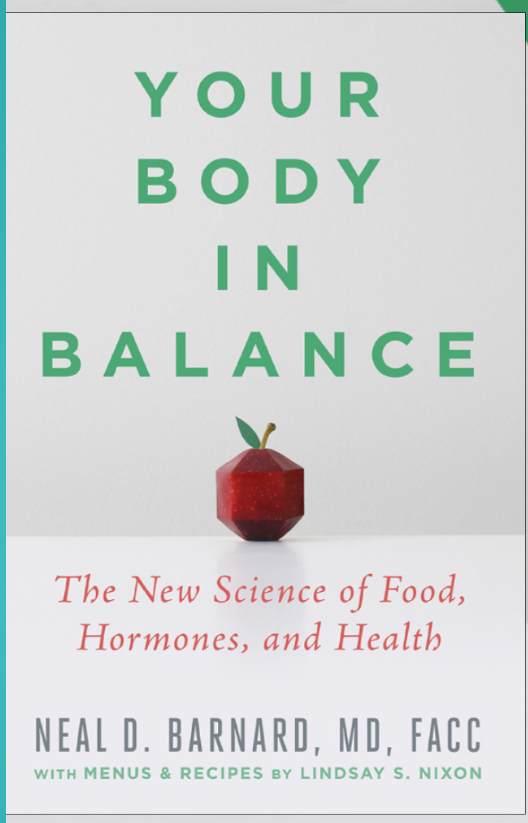
There is a very helpful BOOK you can read called: Your Body In Balance The New Science of Food, Hormones, and Health

It’s a very helpful guide and takes a look into – “how common hormone-related conditions—like infertility, weight gain, menopausal symptoms, breast and prostate cancers, thyroid problems, and acne—can be affected by and improved by simple diet changes”. To learn more about the book, author, and testimonials go to their link at https://www.pcrm.org/yourbodyinbalance

ALSO, CHECK OUT THE BELOW FOR AN OVERALL HEALTH APPROACH!

Have you ever heard of the “Blue Zones”? No not the blue zone diet that we used to hear about!

Blue zones are places in the world where people have been identified to live longer and healthier lives anywhere else on earth! Typically to around 100 years old! The impressive part and why they have been classified under the “blue zones” is that most of them live without medications, chronic diseases, cancers, or disability. So what is the common denominator between all of these locations across the world?

The Original Blue Zones listed were (there may be more):

🔸Okinawa, Japan

🔸Ikaria island, Greece

🔸Nicoya Peninsula, Costa Rica

🔸Loma Linda, California

🔸Sardinia island, Italy

The five regions in Europe, Latin America, Asia and the U.S. have been identified as having the highest concentrations of centenarians in the world! Okay, okay – Common denominator? They do not eat virtually any processed foods and they consume about 90-95% (some 100%) of mostly whole plant-based foods! On occasion, “small” portions of wild-caught fish, free-roaming meat, etc. Plus they incorporate other amazing lifestyle practices. But as it relates to food…

Check out this quick Clip on the Blue Zones! 🔵 https://nutritionfacts.org/video/do-flexitarians-live-longer/

Notice any similarities of what was discussed above and how it relates to the Blue Zones too?

If you missed my blog about: Why supplementing with B12 is imperative for plant-based eaters and likely others despite their diet choices (meat/fish/eggs etc.). See if you need to be doing this. Otherwise this deficiency could lead to severe health complications. https://aj-macomber.com/2022/05/01/why-supplementing-with-b12-is-imperative-for-plant-based-eaters-and-possibly-others-despite-their-diet-choices/

Also, if you didn’t see my blog on: Nutrition Announcement Critical Nutrient Deficiency on the Rise! Read this – https://aj-macomber.com/2022/05/01/nutrition-announcement-as-it-relates-to-a-critical-nutrient-deficiency-on-the-rise/

Updated/ADDED: 10/27/22

Looking to optimize your health? Here are some more of my Top Resources to keep learning! It is important to do what works for you, listen to your body, stay connected with your healthcare provider and never stop learning!
https://aj-macomber.com/2022/10/27/top-resources

Disclaimer: Everyone should seek medical advice and be closely monitored by their physician or a licensed health care professional before starting or continuing any lifestyle changes such as but not limited to – dietary changes, supplement changes, or physical activity changes, especially if you are pregnant or have any pre-existing injuries or medical conditions. You should read any information provided by the product manufacture and any product label or packaging prior to using any medication, nutritional, herbal, food, homeopathic or other products. Certain medications may have contraindications with introducing or continuing any supplemental or dietary changes, and that medications may need adjustments before and/or during your lifestyle changes. Adverse effects may lead to permanent damage or death if your medication(s) and/or healthcare needs are not properly monitored and amended between you and your physician. Do not disregard or delay medical advice or treatment because of any nutrition-related information that has been shared with you. Your decisions regarding your health and wellness are ultimately your own responsibility and the information provided is not to be taken as absolute nor is it a substitute for your medical care. Nutritional or supplemental suggestions including information that may be provided directly or by linking to a third-party, or any affiliates are intended for your general nutrition-related information and education only and will not be held accountable for the use or misuse of any suggestions described therein. Any mention of a specific brand name is not an endorsement of the product. Please note that, over time, currency and completeness of the information may change. These services or information provided do not promise or guarantee protection from past, present or future illnesses and it should not be construed as dispensing medical advice or claiming to diagnose, treat, prevent, mitigate, prescribe, or cure any diseases, conditions, mental or physical, real or imaginary and that it is not a substitute for regular medical or psychological care.

A key “compound” discovered essential for sustaining intestinal immune function. Also, best detoxifier?

A key “compound” was discovered a while back that is essential for sustaining our intestinal immune function. This has been found to help lower irritable bowel disease and more! We have a receptor in our gut looking for this compound…

Listen to this quick clip on what that compound is – https://nutritionfacts.org/video/the-broccoli-receptor-our-first-line-of-defense-2/

Best detoxifier? Listen to this as it relates to the above – https://nutritionfacts.org/video/the-best-detox/ 

Also, pairing these foods with other foods can help decrease carcinogens, clear chemicals from our body, and add some protection. Listen to this – https://nutritionfacts.org/video/prolonged-liver-function-enhancement-from-broccoli/

To learn even more, go to Nutritionfacts.org

It is Not your Fault!

Let me share something with you, it is not your faultIf you find yourself not in control of food sometimes which I think most of us have struggled with at some point or another…listen up.

We are innately hard-wired to enjoy pleasurable experiences. This served our ancestors well during their time of surviving in the wild robust nature without them becoming food themselves! They learned that the most efficient way was to locate food that gave them the most fuel at one time. AND GET TO IT QUICK before being eaten by whatever was lurking around the corner! They discovered they must find food that encompassed the most calories at one sitting to help sustain them until their next unknown meal. They may have gathered and eaten 15 bananas at one time and left the watery lettuce until their next hopeful feast… which usually meant life or death for them.

So, what about today’s environment? Well, typically we don’t have to fight off anything big and wooly with large gnashing teeth looking to make us into their toothpick when we go to find something to sustain us. Instead, we leave our spears at home and grab the car keys and grocery bags. We are no longer choosing between a banana and watery lettuce; instead, we are choosing between a banana or greasy fries, or cake baked with trans-fat, you name it! Or we stay seated in our car and order through a drive-thru, continue to sit and eat while we drive. The options are endless and when they package them up so pretty, it is enticing as a kid on Christmas morning looking to tear open those presents! Who wouldn’t be tempted? We are stimulated by hearing about food on the radio, seeing it on TV with images of gooey yummy looking foods or you may attend a meeting and they bring sugar glazed donuts. So we “run” to the donuts, and the next thing we know, we’re crashing and tired at 2 PM looking for a pick-me-up! America is the sickest we have seen in today’s world! Yikes! But now we have a glimpse into part of the problem, right?

Instead of protecting and shielding ourselves from the saber-toothed tiger, we now have to protect and shield ourselves from the savory Cheeseburger advertisements and those magnets that pull your car into those convenient drive-thru places.

When we experience pleasure, a neurotransmitter called dopamine is released in our brain. We can feel this wonderful release of pleasure or “dopamine” by anything that makes us feel happy. It could be the excitement of when a new baby is born or enjoying a tub of ice-cream, to buying that new dress! Once we “feel” this pleasure, we want to repeat it because it feels good, but do you notice a wave of dopamine doesn’t last? Some of our “pleasurable food experiences” can spiral into some long-lasting unpleasurable health results. 

So, what do I mean? The more calorie-dense the food, the more of that happy hormone is released. And if our body is still programmed from our ancestors to seek out calorie dense foods, and we choose the wrong form… we are going to make ourselves sick. Like eating a moist chewy, oily, sugar laden candy bar vs a natural fresh piece of fruit and nuts. I’m not talking about a once in a while thing, we tend to do this too much! A lot of us no longer eat whole real foods like bananas, potatoes, beans, and veggies… instead, we are stimulated and made to feel like it is normal to eat something out of a package that may be ultra-processed. Or rely on fast foods that are thick with calories but lack nutrients to sustain us. We are feeding our bodies with unhealthy fats, preservatives, chemicals, pesticides, vegetable oils, high salt and high sugar intake. And let me tell you, a lot of food companies making ultra-processed food items are engineering them to hijack your tastebuds to want more of these high sugar, high salt, etc. Remember, higher calories and ingredients will stimulate that dopamine reaction to release and increase that “feel good” moment to come back for more! We did not evolve to eat ultra-processed unnatural foods. When we do, overtime our bodies start to malfunction after a while, right? Know anyone with digestive issues, stubborn adipose tissue, high cholesterol, diabetes, high blood pressure, skin issues, sleep issues, ongoing headaches, cancer, hormone imbalances, major mood swings, etc.? We are actually supposed to feel generally good, so if one feels bad/sick all the time, something we are fueling ourselves with is off.

I bet we could virtually agree that flowers would not do so well if we watered it with soda and sprayed it with hairspray? You would probably see some sad flowers… or if we put bleach in our car instead of gasoline, it may not run as well as we had hoped, right? Well, if flowers need specific fuel to grow, and our cars need specific fuel to work, why do we think we do not? Again, it is not your fault, unfortunately, our environment has desensitized us into thinking we are invincible and can eat and drink chemicals and ultra-processed foods and be awesome. Until one day…we malfunction and develop something serious. We must stop pretending that food doesn’t matter, we must be aware of our surroundings.

I always hear “I could never give up milk-chocolate or cheese”. Well not your fault either, you’re possibly addicted. When we digest dairy, casomorphins (opioid peptides) are produced which activate the same receptors in our brain as morphine. This may be a reason that dairy like cheese or milk-chocolate may be addicting. Dairy has also been linked to encourage weight gain; considering cow’s milk was intended to grow a 60 lb. calf to a 700-pound cow as rapidly as possible. If you are trying to create a lean, healthy body, it may NOT “do a body good.” Including skim-milk, organic milk, whatever milk due to hormones within the milk specifically produced from the mother cow for its baby calf to thrive. But instead we take it and consume it (not made for us) and it shifts our own hormones creating imbalances in our body. Recent studies have also associated dairy with increased risk of hip fractures and bone loss along with contributing to possible reproductive cancers and neurological conditions like Parkinson’s. Lastly, some dairy products carry high amounts of Phthalate-endocrine hormone disruptors (plastic chemical pollutants from the tubing/machine used on cows). These endocrine disruptors have been associated with increased abdominal fat, endometriosis in women, and reproductive health issues in men and women. What we used to survive on is sometimes not what is best to thrive on. Just like eating 15 bananas at one time may have kept them alive, but definitely not the best to thrive until they were able to get a successful hunt and more ground foods. It is important to keep learning and evolving even if it is something our family has done for generations. You can be the change. For more information read – The China Study by Dr. T Colin Campbell and/or Keep it Simple, Keep it Whole – Your Guide to Optimum Health by Dr. Alona Pulde and Dr. Matthew Lederman.

So what do you do? Here are a couple ideas that can drastically help.

Don’t keep foods in your house that could potentially derail your health-progress. Even if you are relying on willpower, it will let you down at some point. That hardwire may just overpower you when the will is gone. Then a whole bag of chips is chosen over maybe a wholesome meal. If you don’t have access to it, it helps take away the chance of consuming it. Can’t hunt something that is not there…

If you find you always stop at a convenience store to “grab a snack” like a candy bar or whatever (insert calorie dense, non-nutritious pleasure here). Be prepared beforehand. Put on your grocery list something like a bag of organic, unsalted nuts and/or sulfur free, no added sugar dried fruit to keep in the car.

If you are going to a restaurant (especially if you go often), look at the menu ahead of time. Prepare and commit to finding something that will help you and not hinder you.

Get in the habit of meal prepping. Start small with maybe the one meal that you know would cause you to go buy a convenience meal that may not be nourishing.

There are so many other hacks. And there are so many other alternatives to the calorie dense, non-nutritious options now that can fuel your body better without sacrificing taste and your health. You just have to care enough to look into it. Have you ever seen some of my recipes on my website or the recipes I share on social media? So many nourishing options now!

And remember your “why”, it is so empowering! If you can’t avoid being around it, remember why you want to not have it or perhaps choose a healthier option. Maybe it is – “that won’t help me get my cholesterol down I’ve been working so hard on.” Or – “that won’t help my blood sugar and I’m trying to avoid developing diabetes like my Dad”. Or perhaps – “every time I eat that it gives me a stomach ache and I feel terrible after”. Whatever the reason, remember “why” to trump that hardwired circuit! Cravings only last a couple to few minutes, sometimes up to 30 minutes when first practicing to rewire our primal brains, but with practice… you can do anything! Go for a walk, go “hunt” down a nourishing food item!

Remember it is not your fault, but it is your responsibility if you want meaningful change. The power is in your hands. And don’t worry if you slip up, it is not about guilt! Forgive, move on, and keep practicing what fuels your body and mind well! You deserve to feel good!

Side Note: There is a lot of research on this, and I have only summarized the best I could from Dr. Pulde and Dr. Lederman on this subject who are sources more knowledgeable and can certainly articulate better than I. Of course, there is always much more to this, but this would end up being way longer than it already is! However, we have the same mission to share knowledge that may help us move forward in our lifetime. To dig in more, see the two books listed above that dives deeper into everything above! And if you need assistance, reach out to a coach or another professional. Cheers to nourishing our bodies well!

Eat the Egg or to Not Eat the Egg?

You know how there is this ongoing debate about whether to eat the egg or not eat the egg?

Well darn it, just like I would say, if you like cake, eat the cake. The same goes for eggs, if you like eggs, eat the eggs. But like cake, I wouldn’t recommend you eat it every day. Or if you do, maybe we can look at some improvised ways so its a healthier version. I too enjoy a nice egg over medium on some toast once in a while myself. So what’s the problem? Things are being tossed around about fats and cholesterol… First, let’s see what our body does.

Our liver makes all the cholesterol our body needs. So yes, cholesterol is important, and we couldn’t live without it. But that is where people are getting confused. Even the American Heart Association knows that. We literally make our own cholesterol and anything that comes from dietary cholesterol adds to our already enough cholesterol in the body. I mean, have you ever heard of someone saying they have low cholesterol? Maybe, but it is their “HDL/good cholesterol” they are speaking of. Or you may hear someone say, we need to boost up our cholesterol for our hormones and to be strong. Yup, but it’s the HDL, not LDL. BIG DIFFERENCE! HDL is increased by non-saturated fats from walnuts, avocadoes, olives (not olive oil), chia seeds, ground flaxseeds, etc. That is where people get confused. They think that saturated fat is “essential”. NO! Omega fats are essential (we can’t live without eating them). Essential – meaning, we need to get it from our diets. Saturated fat = not essential for our body (don’t need to get it from our diet). But those selling their products won’t tell you that. When we start consuming saturated fat, that contributes to increased LDL (bad cholesterol). The one that creates plaque in your arteries.

There is so much confusion about fats just like people are confused about carbohydrates. Yaaahh AJ, but the ketogenic diet started to lower my cholesterol. Not for long… It’s starting to go down because you are likely decreasing your overall calories and processed foods. Now over time, when the body starts to regulate from that, it will then start to increase again and also increase your chances of developing diabetes and other conditions. Any smart Cardiologists (I know some) will agree that the ketogenic diet in the social media realm is dangerous. A ketogenic diet was specifically for those with a certain seizure disorder. It’s a very different diet than what is flashed around on social media.

Another breakdown – we know Whole foods are good; partial and processed foods are not. So, oil is not a whole food, it’s the fatty part of what was a whole food. So instead of olive oil, eat the olive. Instead of avocado oil, eat the avocado, instead of coconut oil, eat the coconut. You get the gist. Don’t be afraid of plant-food fats! WE NEED THEM! The fat from the whole food is good for us, just not when a factory processes it into just a concentrated fat. Plus, if you are watching your cholesterol and/or waistline, oil is extremely calorie dense, not nutrient dense surprisingly. Oil contains very little micronutrients with only (sometimes) a little bit of omega 3, but highly dense in saturated fats. Yes, I am happy to discuss the Mediterranean diet too. It wasn’t the olive oil contributing to health…

If you haven’t read my blog on how cholesterol impacts our brain. Read this…https://aj-macomber.com/2022/06/01/how-you-are-helping-your-brain-when-you-exercise/ 

Not only that, 50% of those with normal cholesterol ranges are still showing up (on angiograms) that they are having plaque build-up within their arteries. Uh oh. Major risk factor for heart attack and stroke. What is that due from? Saturated, trans-fat, cholesterol from eggs, dairy, vegetable oils, some processed foods, meats (especially processed meats), and fish.

Most folks may be familiar with the American Heart Association website. They had an article on why cholesterol matters a few years ago that might be helpful. On Cholesterol, they stated- “It is used in the body’s synthesis of various hormones and bile acids. Because it is in every cell, your liver makes all the cholesterol you need and then circulates it through the blood. It cannot dissolve in blood, and so particles known as lipoproteins help transport it from the liver to the cells via the bloodstream.” Here is the link: https://www.heart.org/en/health-topics/cholesterol/about-cholesterol 
For me personally, I started to understand this concept when I studied anatomy and physiology. Then understanding Food-Science which can make it tricky for folks “to keep up with”. Goodness, there are about 24,000 articles published (that may be an understatement) in the English Medical Journal every year as it relates to how food affects our bodies. I get it and we must be vigilant about where we get our information as there’s so much ambiguity. “Fish and shellfish are also significant sources of cholesterol. Three ounces of bass has about 80 milligrams of cholesterol—the same amount found in a 3-ounce steak. Diets high in saturated fat and cholesterol can increase the risk for heart disease”. 

Now I’m NOT necessarily advocating for a meat free and processed free diet. We just need to do a lot better if we want to feel better and try our darndest to stay off medications and decrease our chances of disability… I’m not just talking about heart health either…Ill share this – Two out of the many resources that have inspired me and touches upon heart health that I found extremely helpful are –

*Dr. Caldwell B Esselstyne, Jr who became a highly successful doctor at one of the top medical institutions in the world (The Cleveland Clinic). He is a great resource! He presently directs the cardiovascular prevention and reversal program at The Cleveland Clinic Wellness Institute. His work is absolutely jaw-dropping. He has a huge background and was the President of the staff, member of the Board of Governors, chairman of the Breast Cancer Task Force, and head of the Section of Thyroid and Parathyroid Surgery. “Having published over 100 scientific papers, Dr. Esselstyn was named one of the best doctors in America in 1994-1995”. You can also check him out at: http://www.dresselstyn.com/site/biography/- I would like to get his book that he has out sometime.

*Lastly, another resource of mine is Dr. T Colin Campbell who assembled a world-class scientific team and worked with a leading epidemiologist (in the world) along with other amazing researchers physicians and key scientist who conducted “The China Study” which was and still considered the most comprehensive study of nutrition ever conducted which also has info on heart health and many other chronic disease and cancer information as it relates to nutrition. 
My dream someday is that every Doctor could read the book “The China Study” especially the Revised and Expanded edition. His work validated a lot that I have been studying and has changed my life.
If you would like more resources, just private message me and I would be happy to share more.

REMEMBER: Enjoy the cake and/or enjoy the egg once in a while. What we do on occasion typically isn’t the problem. It is what we do everyday or consistently that creates the compound issue or the great outcome. I hope this helps!

For more references and educational information. Go to NutritionFacts.org.

What Does Your Blood Pressure Mean?    

The Top Number is your Systolic Blood Pressure: indicates how much pressure your blood is exerting against your artery walls when the heart beats.

The Bottom Number is your Diastolic Blood Pressure: indicates how much pressure your blood is exerting against your artery walls while the heart is resting between beats.

BP definition – “the pressure of the blood in the circulatory system, often measured for diagnosis since it is closely related to the force and rate of the heartbeat and the diameter and elasticity of the arterial walls.”

Typically, the focus is on the top number of your blood pressure reading (systolic blood pressure) as it may be a major risk factor for cardiovascular disease for people over 50. “In most people, systolic blood pressure rises steadily with age due to the increasing stiffness of large arteries, long-term build-up of plaque and an increased incidence of cardiac and vascular disease”. Experts also suggest that it may not necessarily be specific to age entirely but rather the western diet that impacts our artery health so severely. According to recent studies, the risk of death from ischemic heart disease and stroke doubles with every 20 mm Hg systolic or 10 mm Hg diastolic increase among people from age 40 to 89.

Blood Pressure Range:
Our blood pressure must be confirmed by a medical professional. A doctor should also evaluate you not just for high blood pressure but for low blood pressure along with other cardiovascular risks.

Why Does Blood Pressure Matter?

The American Heart Association and NutritionFacts.Org:

  • Blood Pressure is the #1 risk factor for death and disability in the world.
  • 1-3 adults have hypertension.
  • If BP remains high over time, it can damage the kidneys, heart, and blood vessels without any symptoms.
  • The brain can be damaged by strokes in patients with hypertension.
  • Blood vessels can be damaged, forming aneurysms that may burst. And blood vessels in the eyes can be damaged that may cause blindness.

Some Factors That Can Increase BP such as:

  • Smoking
  • Lack of Physical activity
  • Too much Salt
  • Stress
  • Chronic Kidney disease, and more.

What are some Lifestyle changes you can start with to assist with lowering your BP?

Experts Suggest Changing the Way We Eat to Favor the following:

Whole food (unprocessed) plant-based foods such as fruits, vegetables, whole grains, tubers, nuts, seeds and legumes are key. These foods can help bring your blood pressure down with the possibility of reducing the need for blood pressure medications. Plant-based foods are naturally rich in fiber, potassium and low in sodium, low in fat, and cholesterol. A plant-based diet is an easier way to reduce the amount of sodium, saturated fats and trans-fat.

When we decrease and/or avoid animal-fats (meat and dairy), added oils, and unhealthy processed foods, our blood becomes less viscous which means “thick.” By minimizing or avoiding animal fats and unhealthy processed foods, our blood becomes more like water and less sticky and/or thick-like grease.

With blood being more like “water” it will flow more easily through our arteries and our heart. This also helps the heart to not push as hard to keep our blood moving.

Consider:

  • Reduce salt intake!
  • Taking 1-2 Tbsp. of ground flaxseed each day has proven to be a potent food-hypertensive-agent.
  • Drinking 1-2 Cups of Hibiscus Tea daily. Remember to rinse teeth after.
  • Drinking Japanese Green Tea.
  • Eat your Veggies. Vegetables dilate our arteries 4x better than the Standard American Diet.
  • Include Garlic and Onions – Just a ¼ tsp of garlic may help our arteries function better.
  • Maintain a Healthy Weight – Exercise at least 30 minutes of moderate physical activity each day.
  • Limit alcohol consumption. Women, no more than 1 glass/d and Men, no more than 2 glass/d.
  • Avoid Tobacco (damages arteries and raises BP).
  • Taking 1 Tbsp. (Max 2 TBs/day) of Apple Cider Vinegar mixed with water may protect arteries after a fatty meal by relaxing and dilating the arteries. It also assists with speeding up glucose disposal in the body and improves insulin action.
  • Eating Vitamin C rich foods such as Amla after a salty meal may help arteries. Too much salt impairs endothelial dilation. Amla is high in Vitamin C and has the highest number of antioxidants in the whole plant kingdom. Amla can assist with building collagen in the arteries as well!

Sodium Ideal Daily Limit: <1,500 mg/d
Recommendation from the American Heart Association applies to the entire US population.

Elevated salt intake is not just associated with elevated blood pressure, it is also associated with:

  • Stomach Cancer
  • Recurrent Kidney stones
  • Osteoporosis
  • Obesity
  • Direct Kidney, Arteries, and Cardiac damages.
  • Increased risk of Strokes, Aneurysms and Atherosclerosis which is associated with Elevated Blood Pressure, it’s a domino effect!

Salt and blood pressure go together, the more salt we take in, the higher the blood pressure. Systemic hypertension is the major cause of stroke, of aortic dissection, a major contributor to aortic aneurism, and an accelerator of atherosclerosis. “We all MUST decrease our salt intake!” –From the Editor in Chief of The America Journal of Cardiology

Holistic Side note: If sodium is higher than calories per serving, don’t buy it!

Consider Avoiding the Following:  

Experts have outlined in new studies that Fish Oil Supplements no longer helps cardiovascular and endothelial function. Fish Oil Supplements may hinder heart hearth. There are other plant-based version that are beneficial.

In some recent studies along with meta-analysis studies, they have observed a statistically significant increase for heart attack risk by 86% among those that take calcium supplements. Also, there showed about a 65% increase in hip fractures with calcium supplements. However, there did not seem to be an association with cardiac risk by ingesting calcium through dietary (food) means, excluding dairy. There are plenty of plant-based foods to get in calcium along with focusing on weight bearing exercises to assist with bone density. Side note: dairy has been shown after metabolizing in the body to contribute to bone loss along with contributing to high cholesterol, autoimmune issues, neurological issues, worsened arthritis, and reproductive cancers. Will discuss further on another blog.

Consider reducing animal fats (meat and dairy), oils and unhealthy processed foods, if there is concern for HTN or looking to decrease the chances of developing HTN.

References: NutritionFacts.org and American Heart Association.

This is for general information only, not a formal outline or guide. Over time, currency and completeness of the information may change. Recipients should seek medical advice from their licensed healthcare professional before adjusting and/or continuing lifestyle changes.

6-1-19 ~AJ

Eat Seasonal Local Produce To Boost Nutrition Intake and Save Money Doing It!

“Locally and in season generally costs less than eating imported and out-of-season produce. This is because, typically, if produce demands can be met by local farmers, much of the transportation costs are cut out. If food needs to be imported from other regions of the country and the world to meet demand, however, prices increase. 

For example, one study found that cantaloupe costs 36% less in peak season than in the off-season.”

Here is a guide to seasonal produce!

https://www.afpafitness.com/blog/the-complete-guide-to-seasonal-produce-for-nutrition-health-and-wellness-coaches

And here is a great blog as it relates to the benefits of consuming local and seasonal produce! It also includes if you can’t make this happen and how you can approach it. Enjoy!

https://www.afpafitness.com/blog/the-science-and-benefits-of-consuming-locally-seasonal-produce

How you can help your brain through exercise and info on how cholesterol impacts the brain.

A bubble bath of endorphins, dopamine, BDNF for our brain when we exercise?

I think we all have been in a place where we’re supposed to get our butt off the couch to work out, but we just don’t want to. But when we fall back on discipline to get it done anyway, we always feel better. But did you know there is some science behind why we feel better afterwards? Apart from just because “we did it”? Did you know that you might actually be helping your brain? Improving learning capabilities and help manage emotions better?

Science has emerged greatly on this subject and there is still so much more research to do. But every time we move our body and get our heart rate up creating good blood flow… it’s like giving your brain an amazing bubble bath of neurochemicals!  We start releasing dopamine, endorphins, growth factors and probably one of the most important is BDNF! Brain-derived neurotrophic factors stimulate neurogenesis! You’ve probably heard about neuroplasticity (new connections/rewire), well neurogenesis is the process where we make new brain cells!

“Perhaps the most impressive success story connecting exercise to improved brain function is the Learning Readiness Physical Education Program, founded as the Zero Hour PE program at Naperville Central High School in Chicago in the 1990s (5). The original purpose of the program was to examine whether working out before school would improve a student’s learning capacity in the classroom. Since the program’s inception and through its evolution, students in this school district now rank among the fittest and smartest in the nation.

In fact, this district’s eighth graders have outperformed the US national average on the Trends in International Math and Science Study (TIMMS), even beating out many students in China, Japan and Singapore who have traditionally outranked American students. So what is going on?” Check out this blog from NASM https://blog.nasm.org/fitness/boosting-brain-fitness-understanding-brain-exercise-connection 

Okay, so how much exercise do you need to start up the whirlpool and get those bubbles going to nourish the brain? From the same blog as noted above, they reiterated the following – 

“Low-to-moderate intensities of cardio stimulate increases BDNF, but little increases in IGF-1. By comparison, moderate-to-vigorous intensities of cardio (> 65% of VO2max) increases levels of BDNF, VEGF, FGF-2, IGF-1, and even human growth hormone (HGH) which contributes to building brain mass. Resistance training performed two times a week also demonstrates increases in BDNF, VEGF, FGF-2, IGF-1 and HGH. Exercising daily versus on alternate days results in greater increase in BDNF (150% v. 124%), but levels become equal after about four weeks of training (10). Exercise also improves the efficiency of our BBB and promotes greater balance between many of our brain’s neurotransmitters like serotonin, dopamine, norepinephrine, glutamate and GABA, which will positively affect moods and cognition. Although much research points towards 30-minutes of exercise, two to three times a week, John Ratey, author of Spark and A User’s Guide to the Brain (3, 11), cites that just eight to twelve minutes a day of exercise that evokes a sweat and labored-breathing (i.e., approximately 60% of maximum heart rate or higher) is adequate to demonstrate increase in many of these compounds like BDNF.”

The only thing I don’t necessarily recommend from their blog is the fish oil. I would consider an alternative to the fish oil they recommend, but of course with your providers guidance. The medical community (especially some Cardiologists) have started to change their stance on recommending fish oil due to the ratio of saturated fats vs omegas is out of balance. The saturated fats are clogging up the arteries. Why is that important to know? Carotid arteries supply 80% of the blood flow to your brain (you can feel them on the sides of your neck) and the vertebral arteries supply 20% run up the spinal column up into the brain. Because the brain relies on only two sets of major arteries for its blood supply, it is very important that these arteries are healthy. Often, the underlying cause of a stroke is carotid arteries blocked with a fatty buildup, called plaque. It is imperative (literally) to have healthy cholesterol. And they are finding that about 50% of those even with normal cholesterol levels, still have plaque build-up. A huge part is due to the high saturated and trans-fat consumption in processed foods, processed meats, dairy, vegetable oils, and too many egg yolks. And unfortunately angiograms (or something similar) are not a routine test if one is worried about possible plaque. Not all fats are created equal folks. A lot of people are just as confused about fats as they are carbohydrates. We absolutely need fats (just like carbs), just the right ones. Topic for a different day that I’m happy to help with. In the interim, 1-2 Tablespoon of ground flaxseed every day is a helpful way to get in some of your omegas (essential) along with other omega rich foods on the daily. Ground flaxseed is actually a superstar superfood. Focus also on foods such as avocados, seeds (like pumpkin and chia seeds), green leafy vegetables, or an algae supplement! Another superstar are nuts, especially walnuts! Likely one of the healthiest you can consume! A handful of those a day helps the brain (boy doesn’t it look like one too), hmmm. All amazing for brain power and other major functions of our body! All of the nutrients derived from fish can be obtained from plant sources without the mercury, dioxins, PCBS, microplastics, and other toxins, parasites, rancidity, and environmental degradation.

Another cool article if it’s of interest – https://dana.org/article/how-does-exercise-affect-the-brain/ 

Side notes as I had someone ask about olive oil. We know whole foods are good; partial and processed foods are typically not helpful. Oil is not a whole food, it’s the fatty part of what was a whole food with its fiber stripped. So instead of olive oil, eat the olive. Instead of coconut oil, eat the coconut. You get the gist. Don’t be afraid of plant-food fats! WE NEED THEM! The fat from the whole food is good for us, just not when a factory processes it into just a concentrated fat. Plus, if you are watching your cholesterol and/or waistline, oil is extremely calorie dense, not nutrient dense surprisingly. Oil contains very little micronutrients with only (sometimes) a little bit of omega 3, and depending on the type of oil – highly dense in saturated fats. Yes I am happy to discuss the Mediterranean diet too. It wasn’t the olive oil contributing to health… I tend to use avocado oil for cooking when I need a “little” to oil my pain.

I’ll leave you with this – what we do once in a while typically is not an issue, it is what we do consistently is what either can help us or harm us over time. Lets move our body to help increase cognitive function, better memory, quicker learning patterns, and boost your feel good chemicals!

Does Plant-Based Protein Powder Stack Up?

Are you someone that cannot consume dairy (whey or casein protein), or simply looking for a plant-based protein powder, but not sure how it all stacks up? Even though we should try to focus on mostly consuming nutritious whole foods, sometimes on the occasion a post-workout protein smoothie may be in order if one is short on time.

What are some of the experts saying?

It appears that leucine (one of the BCAA) is the key amino acid for stimulating muscle protein synthesis. 

“many nutrition researchers now believe that the leucine content in any given protein intake is the rate-limiting factor in terms of maximizing muscle protein synthesis within the capacity of skeletal muscle, rather than simply the total amount of protein ingested”. (1)

Let us look at rice protein for an example.

“rice is an intermediate-speed leucine-poor protein, though the rise in leucine in the bloodstream appears quickly after consumption of rice protein; large doses of rice effectively stimulated muscle protein synthesis to the same extent as a higher-quality protein when matched for leucine content (63). Therefore, the leucine content of the protein, and possibly the speed of leucine delivery, appears to be the determining factor for acute changes in maximal stimulation of muscle protein synthesis.” (2)

The NSCA is referring to a study that goes on to say, “the purpose of this study was to investigate the effects of higher doses of rice protein compared to equally high doses of whey protein on skeletal muscle hypertrophy, lean body mass, strength and power when given following 8 weeks of periodized RT in those individuals with previous RT experience.” And they found no difference between the whey protein group and the rice protein group. (3)

There is your answer! Just remember, more is not always better!

It is important to be careful and check any supplement(s) to ensure they do not encompass harmful preservatives, artificial dyes, and other things that may hinder the muscles and/or the rest of the body systems. This may not be favored by all, but I tend to gravitate towards the Organic NutriBiotic Raw Rice Plain Protein. It is naturally Gluten-Free, Non-GMO, No Pesticides, Herbicides, or PCBs. Rice protein such as this is easily digestible with high-quality occurring amino acids including the important BCAA. One could try a post-workout smoothie including – Rice protein, Oatmeal, Ground Flaxseed, Chia Seeds, Kale, Spinach, Banana, and lots of Berries!

Protein from rice? How does that work?

Well, “NutriBiotic Rice protein is produced by means of a unique enzyme process. A proprietary blend of organic plant enzymes is used to separate the fiber and carbohydrates from the protein portion of the whole grain, sprouted brown rice. Low temperatures used during the processing prevent denaturing of the amino acids. NO CHEMICALS are used at any time.” (4)

Enjoy!

References:

  • NSCA’s (National Strength and Conditioning Association) the fourth edition of Essentials of Strength Training and Conditioning textbook; 238
  • NSCA’s (National Strength and Conditioning Association) the fourth edition of Essentials of Strength Training and Conditioning textbook; 212
  • PubMed: Nutrition Journal 2013; 12: 86 https://www.ncbi.nlm.nih.gov/pmc/articles/PMC3698202/
  • Rice Protein: NutriBiotic.com 
1 2